Eco-Tourism in Desert Landscapes: Protecting Fragile Ecosystems
31 March 2026
Introduction
When you think of a desert, what comes to mind? Endless dunes, scorching sun, and maybe a few scattered cacti? Sure, deserts are extreme environments, but they’re also bursting with life—delicate, hidden, and perfectly adapted to the harshest conditions on Earth.
Now, imagine what happens when hordes of tourists flood these fragile landscapes without a second thought. Irresponsible tourism can turn a thriving desert into a wasteland. That’s where eco-tourism steps in. It promises adventure while ensuring the survival of these remarkable ecosystems. But is it truly a perfect solution, or does it come with its own set of challenges? Let’s dive into the world of eco-tourism in desert landscapes and see how we can balance exploration with conservation. 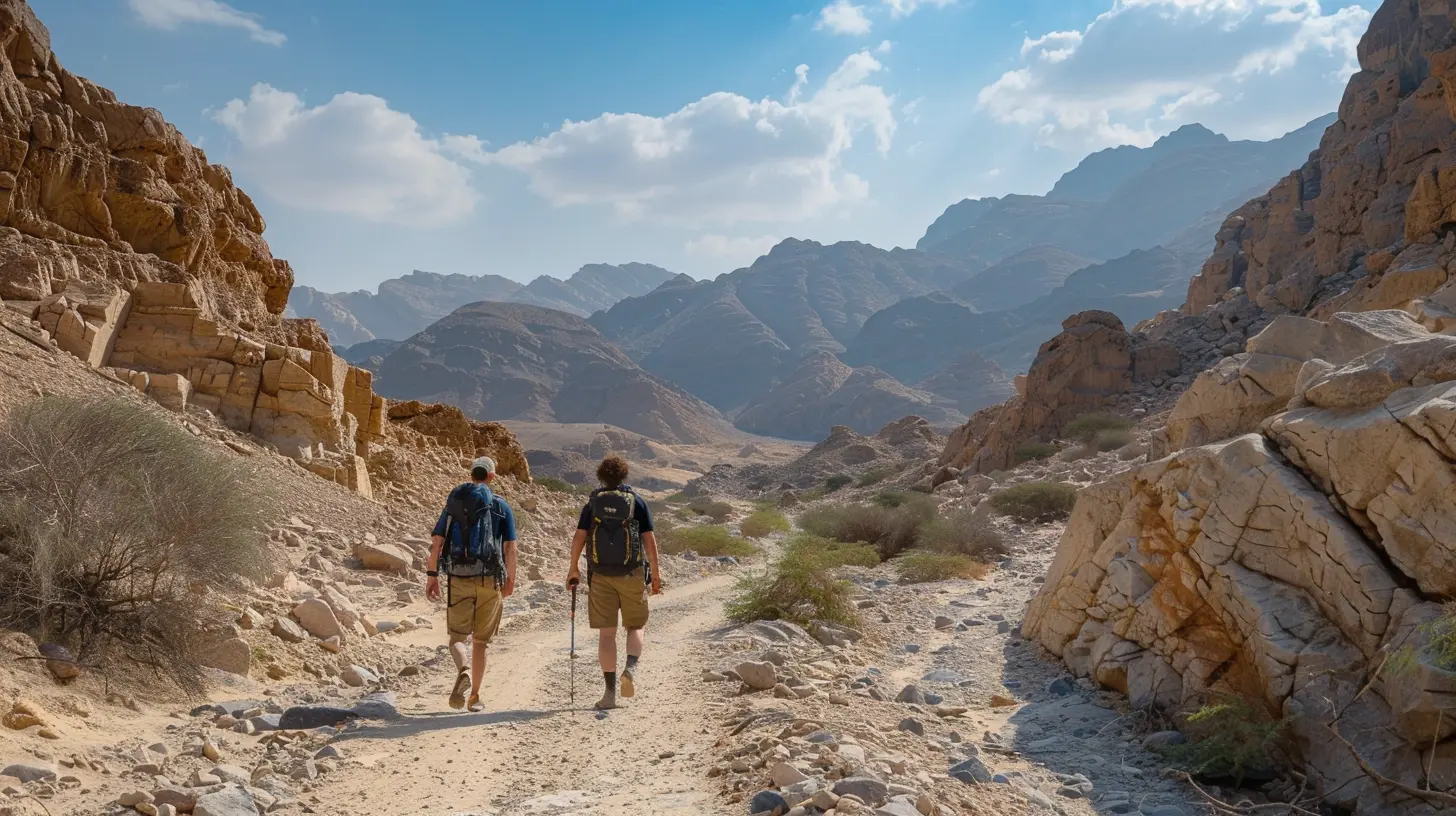
Why Deserts Are More Fragile Than You Think
Deserts may seem vast and indestructible, but their ecosystems are anything but. Unlike forests or grasslands, which can recover relatively quickly from small disturbances, deserts take decades—sometimes centuries—to heal from damage.Slow Recovery, High Impact
One set of footprints in a rainforest might disappear in days. In a desert? Those imprints can remain for years, disrupting the habitat of tiny creatures that depend on undisturbed sand and soil. The slow-growing plants, such as cacti and desert wildflowers, are easily trampled, and once damaged, they struggle to regenerate.Water—A Scarce Resource
Water is the lifeblood of any ecosystem, but in deserts, it's like gold. When tourists visit these landscapes, they demand more water—for drinking, hotels, swimming pools, and irrigation. Increased water consumption can drain underground aquifers, upsetting the delicate balance that keeps desert plants and animals alive.Wildlife Under Pressure
Animals in deserts have evolved to survive with as little disturbance as possible. Many are nocturnal, avoiding the heat of the day. But when visitors flood desert areas, introducing artificial lights, noisy vehicles, and even litter, it disrupts the very cycles these creatures rely on.
Eco-Tourism: A Solution or a Double-Edged Sword?
Eco-tourism seems like a perfect fix—low-impact travel that promotes conservation and benefits local communities. But in reality, even eco-tourism has its pitfalls if not done correctly.The Good Side of Eco-Tourism
✔ Raises Awareness – When tourists witness the fragile beauty of a desert firsthand, they’re more likely to support conservation efforts.✔ Supports Local Economies – Eco-tourism creates jobs, from guide services to artisanal crafts, helping indigenous and rural communities sustain a livelihood.
✔ Funds Conservation – Many eco-tourism initiatives directly contribute to protecting wildlife and restoring degraded areas.
The Dark Side of Eco-Tourism
Even when marketed as "eco-friendly," tourism still leaves a footprint:❌ Over-Tourism – Too many visitors—even eco-conscious ones—can turn protected areas into overcrowded attractions.
❌ Infrastructure Expansion – More visitors mean more hotels, roads, and facilities, which take up space and alter the landscape.
❌ Disrupting Wildlife – Even respectful, quiet tourists can alter animal behavior, making them more vulnerable to predators or reducing their ability to hunt and gather food.
So, how do we ensure that eco-tourism in deserts truly serves its intended purpose? 
Best Practices for Sustainable Desert Tourism
1. Stay on Designated Trails
It might be tempting to wander off into the dunes to snap that perfect Instagram shot, but off-trail walking destroys fragile plant life and disturbs animal habitats. Stick to marked paths or boardwalks whenever possible.2. Choose Responsible Tour Operators
Some companies claim to be eco-friendly but still contribute to environmental degradation. Look for tour operators who actively engage in conservation efforts, limit group sizes, and follow sustainable practices like leaving no trace.3. Limit Water Consumption
Tourists in desert destinations should avoid excessive water usage. Simple actions—like taking quick showers, reusing towels, and choosing accommodations with water-saving policies—can make a huge difference.4. Avoid Dune Bashing and Off-Road Driving
Riding over dunes in 4x4s might sound thrilling, but the impact is devastating. These vehicles tear up delicate root systems, disturb nesting sites, and compact the soil, making it hard for plants to grow. Opt for camel rides or guided walking tours instead.5. Respect Local Communities
Many desert regions are home to indigenous cultures with deep connections to the land. Engage respectfully, support local businesses, and learn about their traditional ways of living sustainably in the desert.6. Reduce Waste and Avoid Plastics
Carrying reusable water bottles and containers is crucial in desert travel, where plastic waste can persist for decades. Any trash you bring in should be packed out—leave no trace.7. Travel in Small Groups
Large groups put a strain on the environment. Smaller, well-managed tours minimize impact and enhance the experience by reducing noise and human presence in sensitive areas.8. Visit During Off-Peak Seasons
Deserts experience peak tourism seasons, often in the cooler months. Timing your visit for the shoulder seasons can help reduce overcrowding and spread out the environmental impact.
Notable Desert Eco-Tourism Destinations
If you’re itching to experience the magic of deserts responsibly, here are a few destinations leading the way in eco-tourism:1. Wadi Rum, Jordan
Known for its Martian-like landscapes, Wadi Rum is rich in Bedouin culture and eco-conscious tourism efforts. Visitors can stay in low-impact camps and explore the desert in traditional ways.2. Atacama Desert, Chile
One of the driest places on Earth, the Atacama Desert boasts eco-lodges that minimize water waste and carbon footprints while offering breathtaking star-gazing experiences.3. Namib Desert, Namibia
Home to some of the world’s tallest dunes, Namibia has eco-tourism initiatives that protect its rare desert-adapted elephants and lions.4. Sonoran Desert, USA & Mexico
Eco-conscious tourism in the Sonoran Desert emphasizes Native American conservation efforts, protecting endangered species like the jaguar and desert tortoise.5. Thar Desert, India
Tourism in the Thar Desert is increasingly focusing on sustainable practices, with eco-friendly desert camps and wildlife conservation programs.Conclusion
Eco-tourism in desert landscapes is a powerful tool—but only if done right. The key takeaway? Deserts are not barren wastelands; they are living, breathing ecosystems that need protection. Whether you’re hiking across the dunes, camping under a sky full of stars, or riding a camel through age-old trade routes, every small decision you make as a traveler matters.So, next time you find yourself drawn to the mystique of a desert, think beyond the thrill. Think about the footprints you leave behind—literally and figuratively. Because in these delicate landscapes, every step counts.
all images in this post were generated using AI tools
Category:
Desert AdventuresAuthor:

Pierre McKinney
Discussion
rate this article
2 comments
Aurelia McCloud
Who knew the desert could be eco-friendly? Just remember: tread lightly, don’t hug cacti, and if you hear a rattler, it’s probably not making a new friend!
April 22, 2026 at 2:54 PM
Pierre McKinney
Glad you enjoyed the article! Your tips are spot on—responsible tourism is key to preserving these unique ecosystems. Thank you!
Zachary Wright
Embracing eco-tourism in desert landscapes fosters awareness and preservation, allowing us to appreciate their beauty while ensuring these fragile ecosystems thrive for future generations.
April 13, 2026 at 4:26 PM