How Street Food is Changing the Way We Travel by 2027
27 April 2026
Let’s be honest: you don’t travel for the airport lounges or the hotel sheets. You travel for the taste of something you can’t get at home. And by 2027, that taste won’t just be a souvenir—it’ll be the entire itinerary. Street food is no longer the messy, dubious-smelling cousin of fine dining. It’s the star of the show, the compass of wanderlust, and the reason your next passport stamp will come with a side of chili sauce.
I’ve spent years eating my way through alleyways in Bangkok, tacos stands in Mexico City, and crepe carts in Paris. And I can tell you straight up: the way we travel is being flipped like a pancake on a hot griddle. By 2027, street food won’t just be a cheap lunch option—it’ll be the main reason we book flights. Sound crazy? Stick with me.
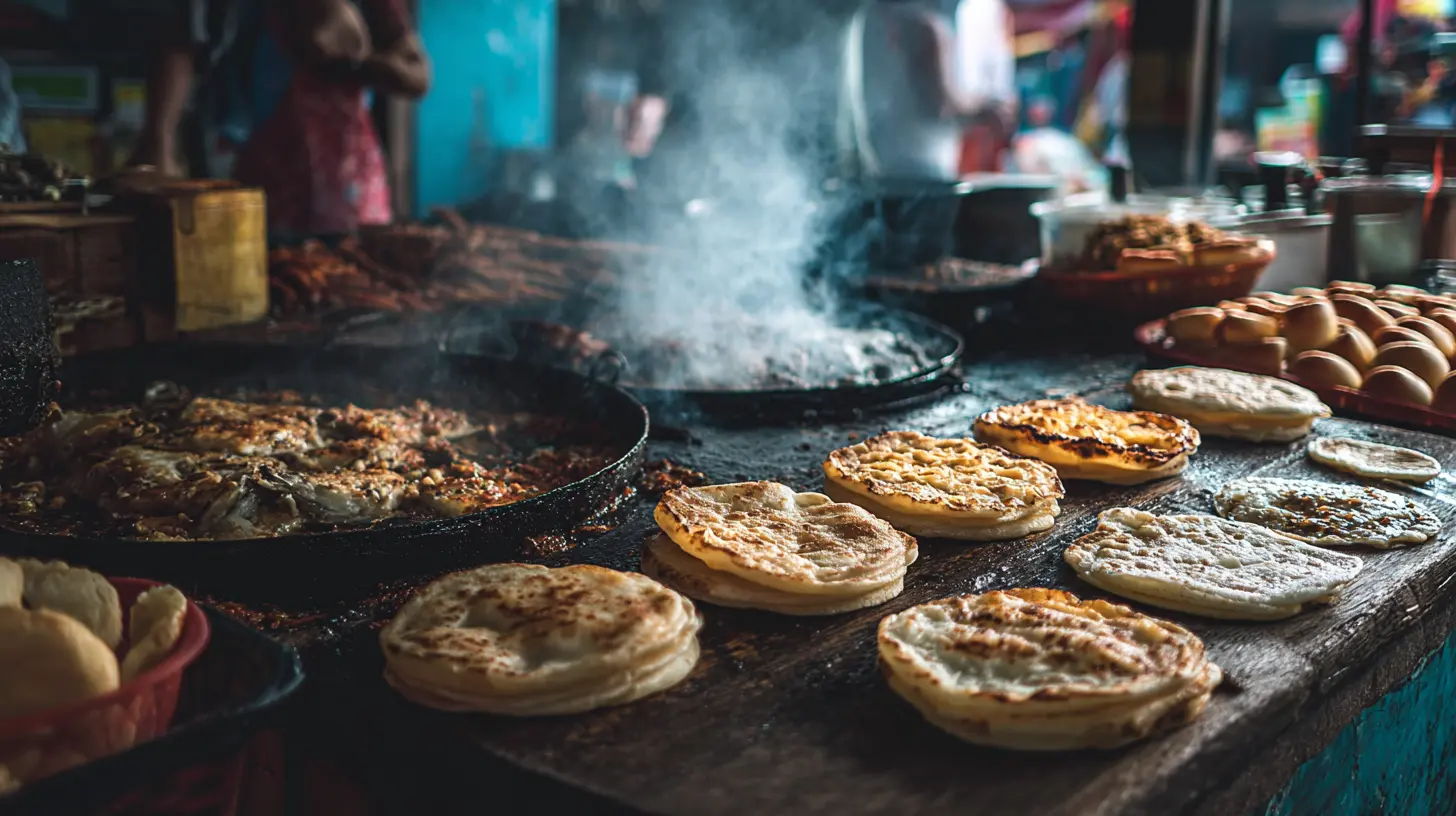
The Rise of the “Food-First” Itinerary
Remember when you’d plan a trip around museums, monuments, and maybe a sunset? Yeah, that’s so 2023. By 2027, the first thing you’ll Google isn’t “top attractions in Tokyo”—it’s “best yakitori alley near Shinjuku.” Travelers are flipping the script. We’re building whole vacations around a single dish.Why? Because street food is the ultimate truth-teller. It doesn’t lie. A fancy restaurant can hide mediocre ingredients under foam and plates the size of a frisbee. But a street vendor? They’ve got nothing to hide. Their wok is right there. The steam hits your face. The sizzle is a promise. You taste the culture in real time, not through a waiter’s script.
By 2027, apps won’t just show you where to eat—they’ll let you pre-order from a cart in Ho Chi Minh City before your plane even lands. Imagine booking a flight to Marrakech because you watched a 30-second video of a man folding a saffron-dusted snail pastry. That’s not a fantasy. That’s the new normal.
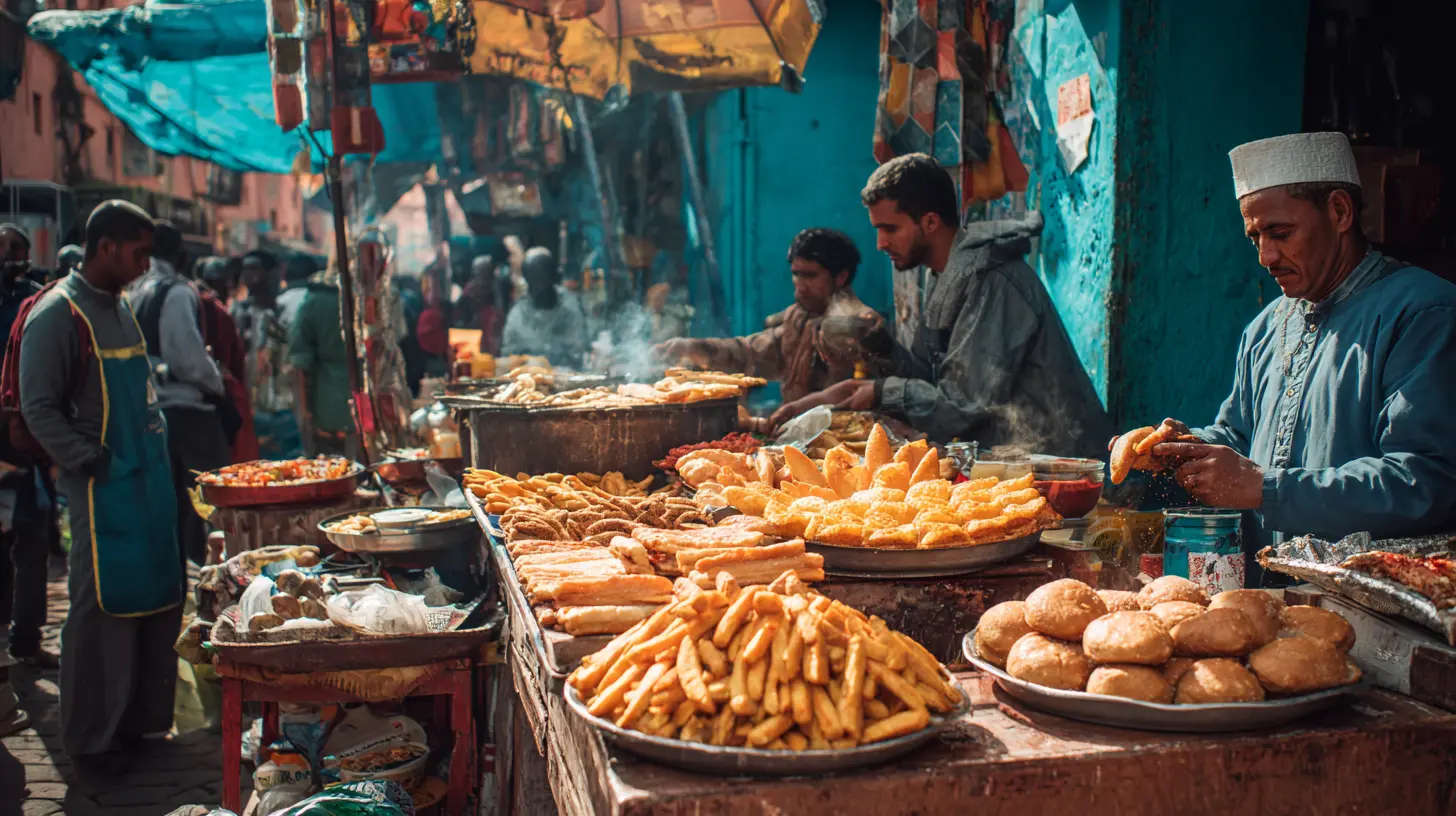
The Instagram-ification of the Hawker Stall
Let’s talk about the elephant in the room—or rather, the elephant-shaped dumpling on your phone screen. Social media didn’t just change how we share food; it changed how we choose where to go. By 2027, a single viral reel of a rotating spit of shawarma in Istanbul can send tourist numbers skyrocketing.But here’s the twist: it’s not just about the photo. It’s about the story. Street food vendors are becoming influencers in their own right. That lady in Penang who’s been making char kway teow for 40 years? She’s got a TikTok account now. She’s teaching you how to flip noodles while telling you about her grandmother. You’re not just buying fried noodles—you’re buying a legacy.
This shift means travelers are chasing authenticity over polish. A Michelin star is impressive, but a plastic stool under a flickering fluorescent light? That’s gold. By 2027, “hole-in-the-wall” isn’t an insult—it’s a badge of honor. We want the grease stains on the menu. We want the vendor who shouts your order across the street. We want the chaos.
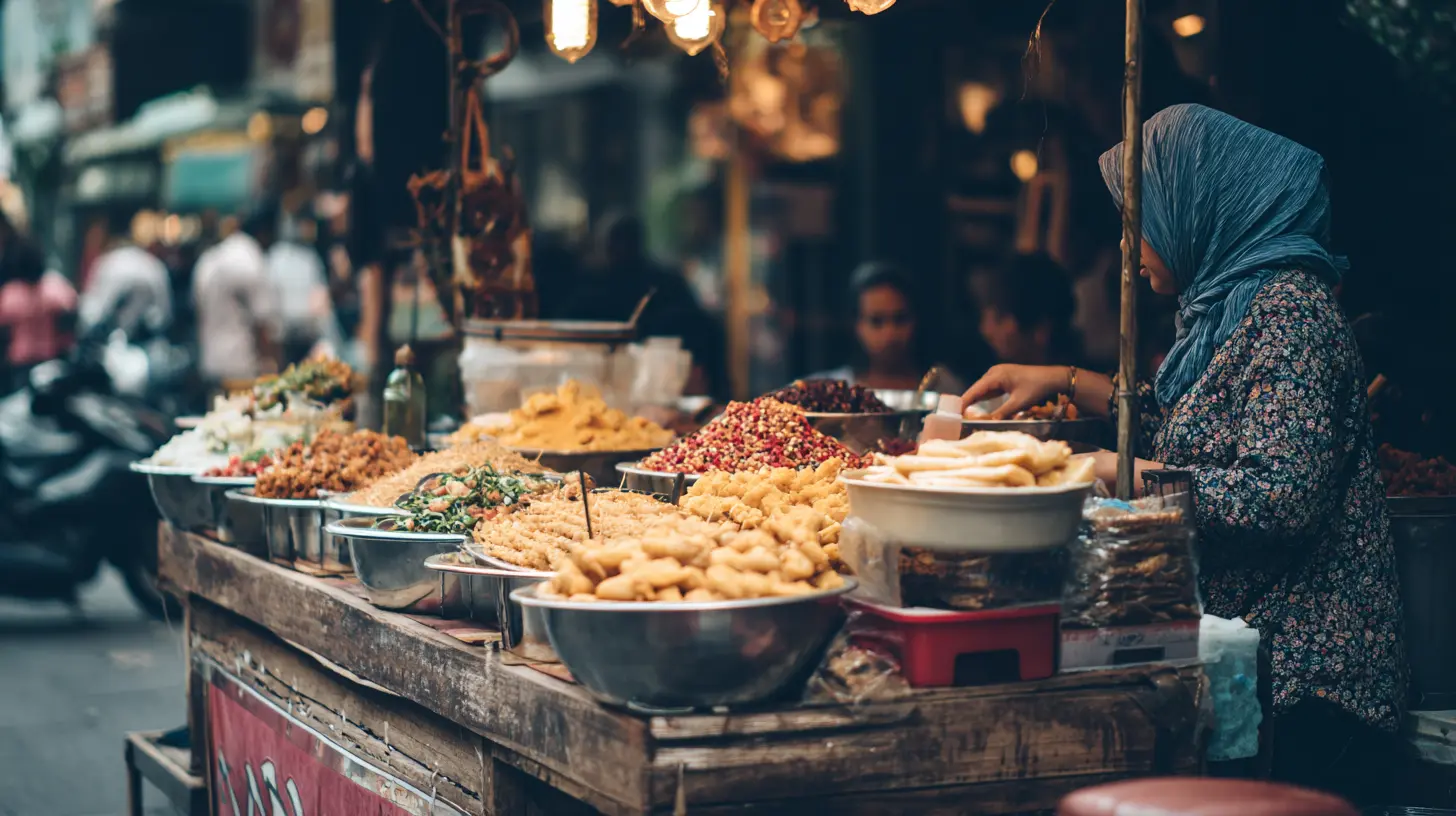
The Health Hype Meets the Street
Now, I know what you’re thinking: “Street food? Unhealthy? Risky?” Fair point. But by 2027, that stereotype is getting a major makeover. Street food is getting a health-conscious glow-up, and it’s not just about kale smoothies (thank goodness).Vendors are adapting. In Seoul, you’ll find gluten-free tteokbokki. In Berlin, vegan currywurst is the norm. In Mexico City, the elote cart now offers a dairy-free cashew crema. The street food scene is becoming a laboratory for global wellness trends. Why? Because travelers demand it. We want the experience without the regret.
But here’s the real kicker: street food is often healthier than restaurant food. Think about it. The ingredients are fresh, the portions are small, and the cooking is done right in front of you. No hidden preservatives. No freezer-to-fryer nonsense. By 2027, nutritionists will start recommending street food tours over salad bars. I’m not joking.
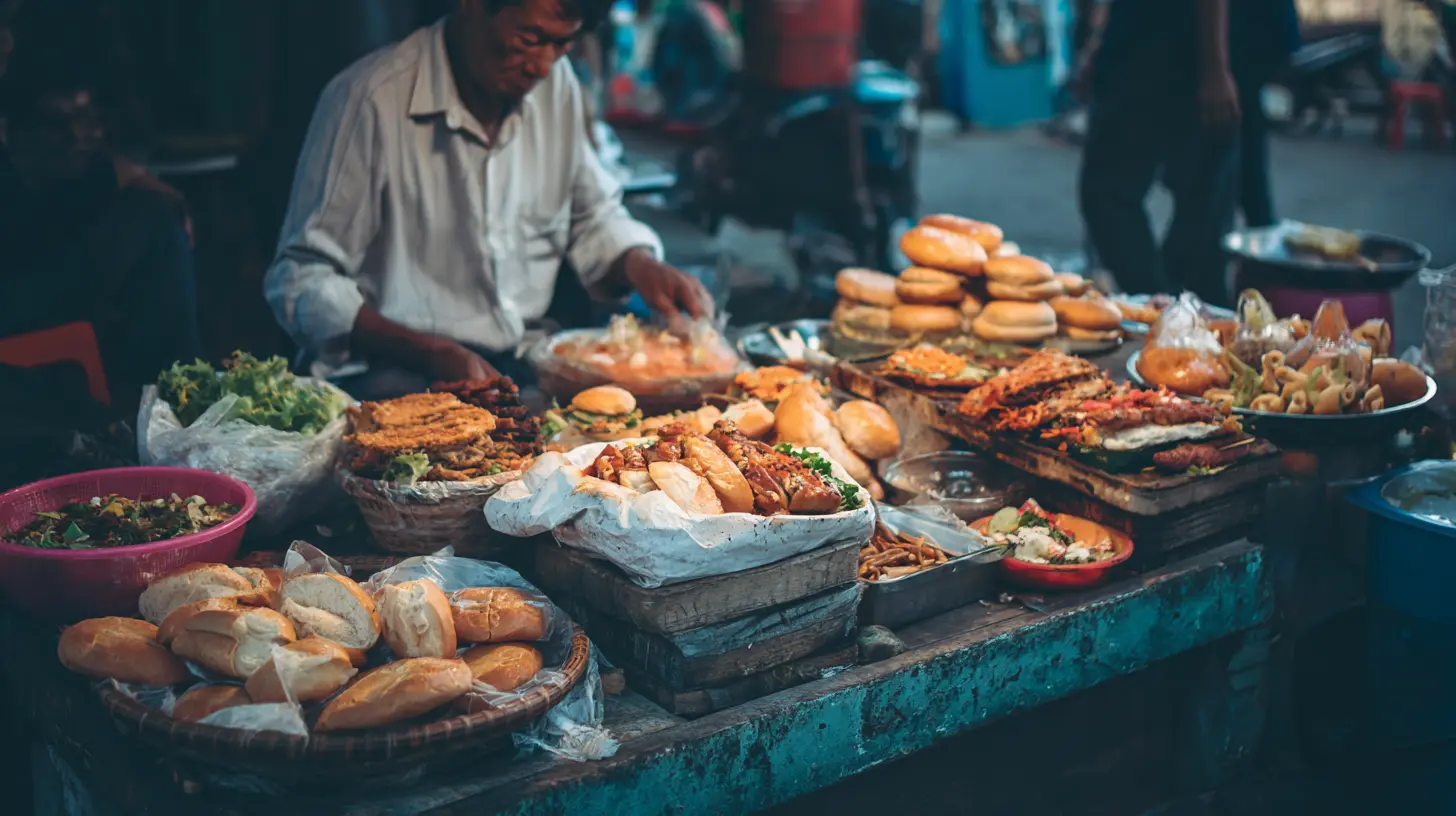
The “Snack-Sized” Travel Revolution
Time is the new currency. And by 2027, nobody wants to sit for three hours in a white-tablecloth restaurant when they could eat six different things in six different spots. Street food enables the “snack-sized” travel style—small bites, big variety, maximum joy.Think of it like a buffet, but the buffet is a city. You grab a samosa in Mumbai, hop on a rickshaw, eat a kebab in Delhi, then finish with jalebi in Old Delhi. You’ve experienced three neighborhoods, three cultures, and three flavors in under two hours. That’s efficiency. That’s the future.
This shift is changing how we book accommodations, too. Hotels near famous food alleys are charging premium rates. Airbnb hosts are listing “street food proximity” as a key amenity. By 2027, you’ll see hotel ratings like: “4.5 stars – 2-minute walk to the best laksa stall.” Location, location, location—but now it’s about the sizzle, not the view.
The Tech Takeover of the Trolley
Street food has always been low-tech. A cart, a flame, a dream. But by 2027, technology is sneaking into the alleyways. And no, I don’t mean robot chefs (though those exist too). I mean smart ordering systems, digital menus, and cashless payments.In Bangkok, you can already scan a QR code on a food cart to see the vendor’s story, ingredients, and allergen info. In Mexico, some taco stands use tablets to track inventory in real time. By 2027, expect street vendors to use AI to predict what’s popular based on weather, foot traffic, and even local events.
But here’s the beautiful part: the tech doesn’t kill the soul. It enhances it. You still get the smoke, the chatter, the chaos. But now you also get convenience. No more fumbling for coins. No more language barriers. You point, you pay, you eat. The future is frictionless—and it tastes like garlic butter.
The Rise of the “Street Food Passport”
Imagine a passport that isn’t for countries, but for flavors. By 2027, I predict we’ll see “street food passports” or digital stamps that track your culinary journey. You visit 10 different stalls in Singapore? Stamp. You try balut in the Philippines? Stamp. You finish a plate of nasi goreng in Indonesia? Stamp. Collect enough stamps, and you unlock exclusive recipes, discounts, or even a chef’s table with a legendary vendor.This gamification of eating is already happening in small ways. Apps like “Eatwith” and “Vizeat” connect travelers with home cooks. But by 2027, the street itself becomes the game. You’re not just a tourist—you’re a flavor hunter. And the stakes? Bragging rights, sure. But also a deeper connection to the places you visit.
The Sustainability Sizzle
Let’s get real for a second: travel has a carbon problem. But street food might be part of the solution. By 2027, we’ll see a massive push toward sustainable street food. Vendors are already switching to biodegradable packaging, locally sourced ingredients, and even solar-powered carts.Why does this matter? Because street food is inherently local. It doesn’t require long supply chains. The ingredients come from the market down the road. The energy comes from the grid or a gas canister. Compare that to a fancy restaurant importing Chilean sea bass flown in from halfway across the planet. Street food is the original farm-to-table movement.
By 2027, travelers will choose destinations based on their street food sustainability scores. Cities like Singapore and Tokyo are already leading the charge with zero-waste initiatives. Expect “green street food tours” to become a thing. You’ll eat guilt-free, knowing your meal didn’t trash the planet.
The Cultural Exchange on a Stick
Here’s the thing about street food: it’s a bridge. When you stand at a cart and point at something you can’t pronounce, you’re not just ordering food. You’re saying, “I trust you. I want to understand you.” That moment of vulnerability is rare in travel. By 2027, street food will be the primary way we connect with locals.Think about it. You can’t fake a conversation with a vendor. You have to use gestures, smiles, and broken phrases. You learn the history of the dish. You hear about the vendor’s family. You become part of a story that’s been simmering for decades. That’s not just eating—that’s anthropology.
In a world growing more divided, street food is the great unifier. By 2027, we’ll see more “food diplomacy” programs where cities sponsor street food festivals to attract tourists. Imagine a “World Street Food Summit” where vendors from 50 countries compete. That’s not far off. It’s already happening in places like Singapore and Penang.
The Dark Side of the Sizzle
Okay, I can’t paint a perfect picture. There are challenges. By 2027, the rise of street food tourism could lead to over-commercialization. You’ve seen it happen: a once-authentic alley gets overrun by Instagram crowds, prices triple, and the quality drops. The vendor starts catering to tourists instead of locals. The soul fades.We have to be careful. The best street food is still the one that hasn’t been discovered by a travel blogger. So how do we preserve the magic? By being mindful travelers. By supporting vendors who haven’t sold out. By seeking out the hidden gems, not just the viral ones. The future of street food depends on us being curious, not just click-happy.
What This Means for You, the Traveler
So, how do you prepare for this delicious revolution? Simple. Start thinking of your next trip not as a destination, but as a menu. Don’t ask “What should I see?” Ask “What should I eat?” Build your itinerary around breakfast, lunch, dinner, and snacks. Leave room for spontaneity—the best finds are often the ones you stumble upon.By 2027, your travel checklist will look like this:
- Pack comfortable shoes (you’ll be walking a lot).
- Bring an empty stomach.
- Download a translation app for food names.
- Carry cash (some vendors still prefer it).
- Be ready to try something weird.
And remember: the best street food doesn’t come with a napkin. It comes with a story. So go ahead, take that bite. Let the juices drip. Laugh at the mess. That’s the travel memory that will last.
The Final Bite
Street food isn’t just changing how we travel—it’s changing why we travel. By 2027, the world will be smaller, not because of faster planes, but because of shared flavors. A churro in Madrid will taste like a churro in Buenos Aires. A dumpling in Shanghai will remind you of a pierogi in Warsaw. Food is the universal language, and street food is its most honest dialect.So next time you’re planning a trip, skip the five-star restaurant. Find the cart with the longest line. Sit on the curb. Eat with your hands. Talk to the stranger next to you. That’s the future of travel. And honestly? It tastes way better.
all images in this post were generated using AI tools
Category:
Street Food ExperiencesAuthor:

Pierre McKinney
Discussion
rate this article
1 comments
Callisto Navarro
Street food opens up a world of flavors and experiences that connect us to cultures in ways traditional dining can't. Embrace the journey and let every bite tell a story.
May 6, 2026 at 4:49 PM