How to Get Perfect Vacation Photos Without Fancy Equipment
8 December 2025
Who says you need a fancy DSLR or expensive lenses to capture stunning vacation photos? Some of the best travel memories are snapped with just a smartphone or a basic camera. If you know the right tricks, you can turn even an ordinary shot into something absolutely breathtaking.
In this guide, I'll show you how to get perfect vacation photos without breaking the bank on high-end equipment. Just a few simple tweaks, a bit of creativity, and a dash of patience—you’ll be amazed at what you can achieve!
1. Make the Most of Natural Light
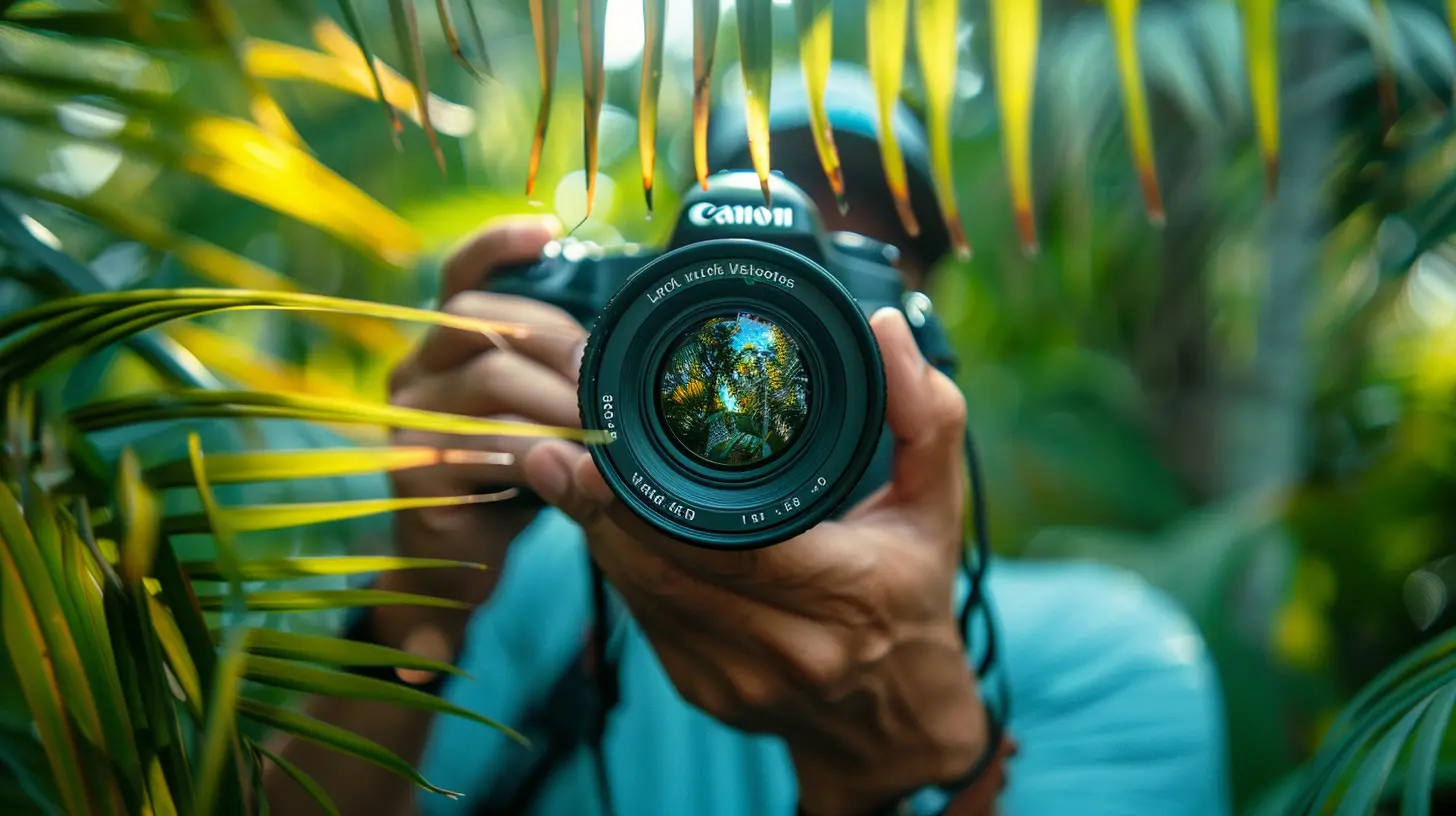
Lighting is everything in photography. If you master natural light, you don't need expensive artificial lighting or flash photography.- Golden Hour Is Your Best Friend – The hour after sunrise and the hour before sunset bathe everything in warm, soft light that makes photos look magical.
- Avoid Harsh Midday Sun – Direct sunlight at noon can cause harsh shadows and overexposure. If you have no choice, look for shade or use reflective surfaces like water or light-colored walls to soften the effect.
- Use Window Light Indoors – If you're taking photos inside, stand near a window. The soft, diffused light from outside will naturally enhance your shot.
2. Frame Your Shots Like a Pro
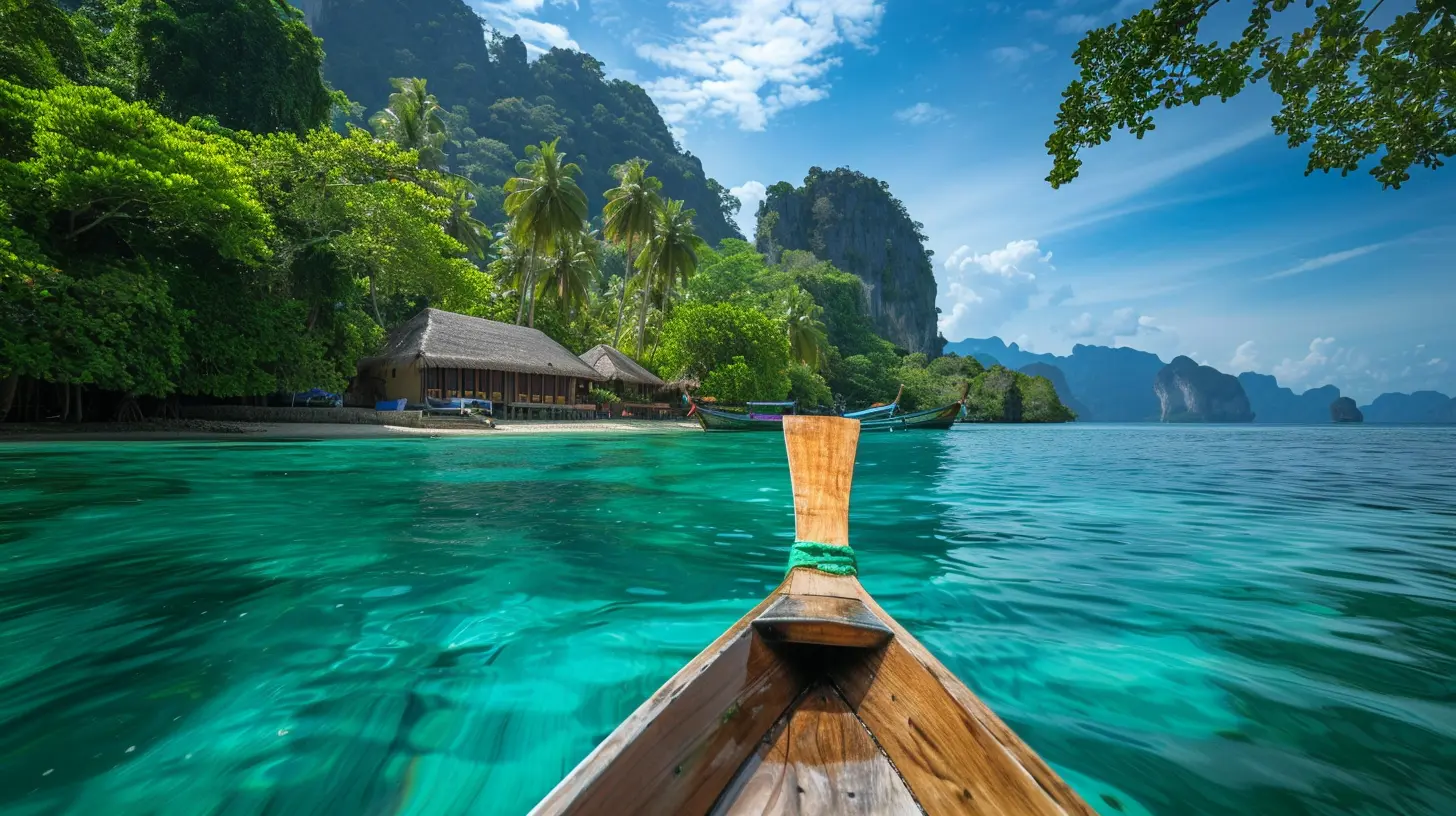
No expensive lens? No problem! Framing your shots correctly can make a huge difference.- Use the Rule of Thirds – Imagine breaking your image into a 3x3 grid. Place the subject at one of the intersections instead of dead center for a more balanced composition.
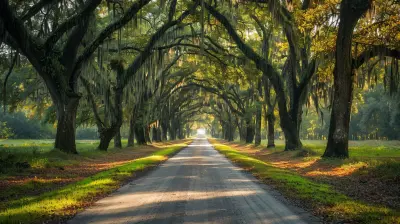
- Look for Leading Lines – Roads, fences, rivers, or even a row of palm trees can lead the viewer’s eye into the photo, making it more dynamic.
- Frame Within a Frame – Use doorways, archways, or tree branches to create a natural frame for your subject. This adds depth and makes the image more interesting.
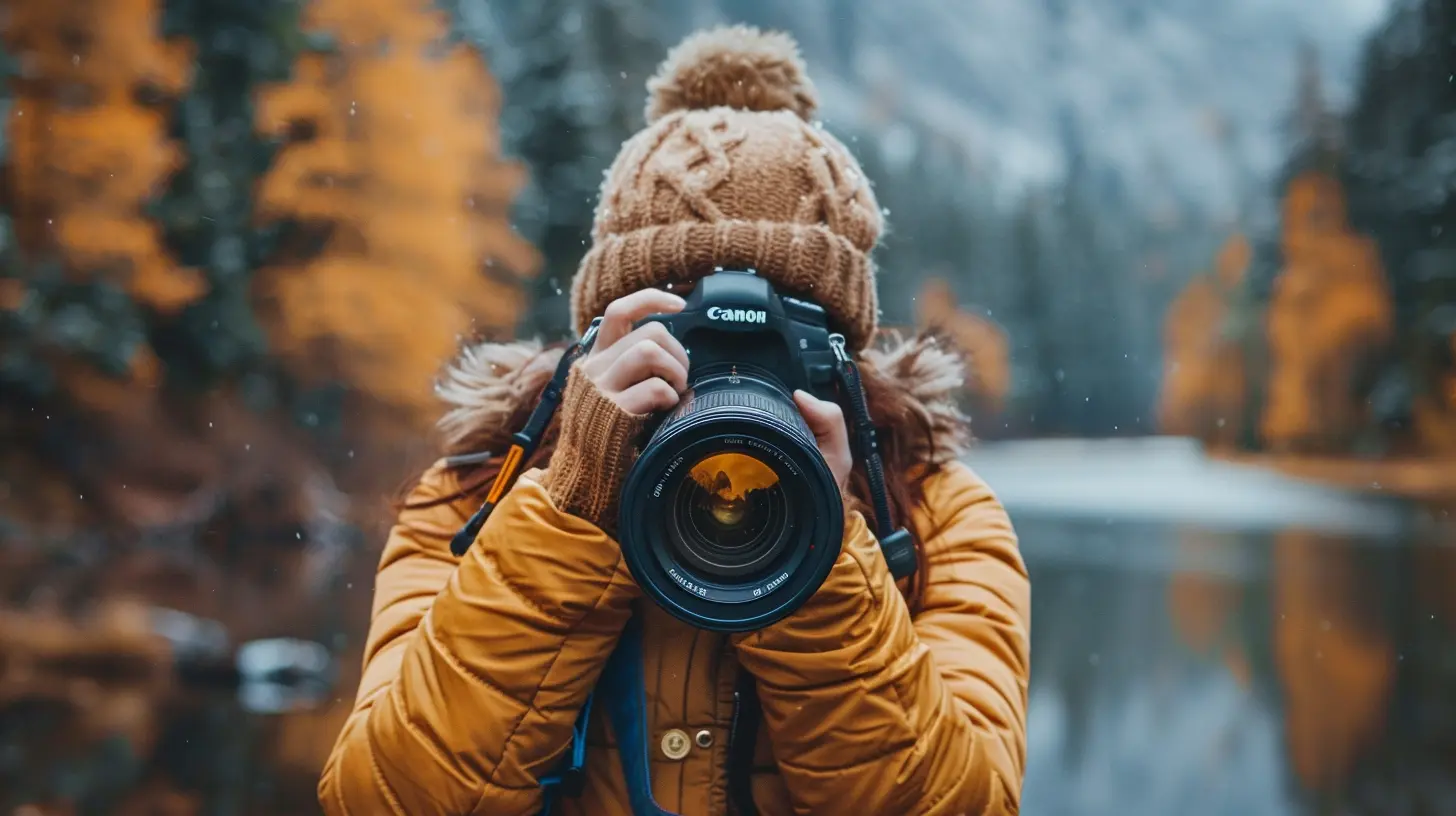
3. Capture Candid Moments
Posed photos are great, but sometimes the best vacation pictures are the ones that aren’t staged.- Capture the laughter, the awe, the quiet reflections—these are the moments that tell a real story.
- Take pictures while your travel buddies are unaware—someone gazing at an incredible sunset or enjoying street food for the first time.
- Set your phone to burst mode (on most smartphones, just hold the shutter button), so you don’t miss the perfect expression.
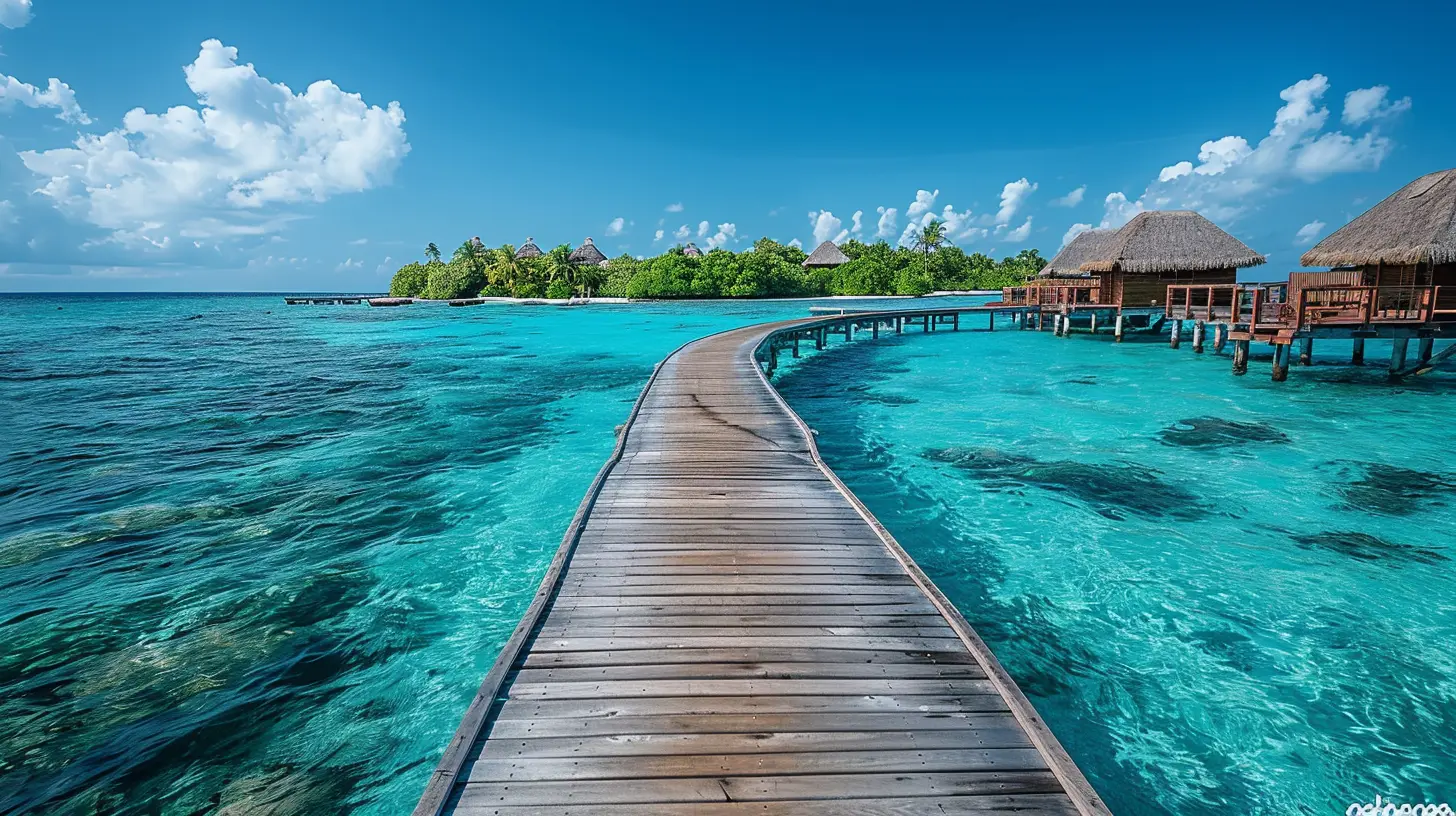
4. Use Your Camera’s Built-In Features
You don’t need an expensive camera when your phone is packed with photography tools!- HDR Mode – Helps balance light and dark areas for a more detailed shot.
- Portrait Mode – Blurs the background slightly, making your subject pop (perfect for portraits and food photography).
- Panorama Mode – Ideal for capturing wide landscapes or breathtaking city skylines.
5. Get Creative with Angles
Perspective is everything! Instead of taking photos at eye level like everyone else, change it up.- Shoot from a low angle – Get down close to the ground to make things look more dramatic and larger than life.
- Overhead shots – Perfect for food photography or flat lays of souvenirs.
- Reflections – Use puddles, lakes, or glass surfaces for interesting mirror-like effects.
6. Master the Art of Editing
Even a simple photo can look incredible with a few small tweaks. You don’t need Photoshop—just a good photo-editing app.- Free apps like Snapseed, Lightroom Mobile, and VSCO allow you to adjust brightness, contrast, sharpness, and color tones.
- Avoid heavy filters—small adjustments to exposure and white balance often do the trick.
- If a photo looks flat, increasing contrast and vibrance can make it pop.
7. Use Everyday Objects for DIY Photography Hacks
No fancy gear? No problem! You can create cool effects with things you already have.- Sunglasses as Filters – Place your sunglasses over your phone’s camera for an instant polarized filter effect.
- A Clear Plastic Bag for Soft Focus – Put a plastic bag over your phone’s lens and slightly smudge it for a dreamy effect.
- Use a CD or Prism – If you have a CD or small prism, hold it near your lens to create rainbow light flares!
8. Capture the Culture and Details
Great vacation photography isn’t just about selfies or landscapes. The little details tell the full story of your trip.- Take close-up shots of local food, street signs, colorful markets, or unique souvenirs.
- Photograph street performers, traditional architecture, or even footprints in the sand.
- Snap pictures of everyday life—locals going about their day, a charming café, or a handwritten menu board.
9. Be Patient and Wait for the Perfect Moment
Sometimes, the difference between a mediocre photo and an incredible one is just a little patience.- If there are too many tourists in the background, wait a few minutes until they move.
- For street photography, observe how people move and anticipate a perfect composition.
- Sunsets and sunrises change by the second—stay put, and you might catch the most breathtaking moment.
10. Have Fun and Break the Rules
Photography is an art, not a strict science. Sure, the rule of thirds and golden hour are great, but sometimes, the best shots happen when you break the rules.- Play with shadows and silhouettes.
- Take blurry action shots for a sense of movement.
- Capture emotion over perfection—sometimes, an unpolished, raw image tells a more powerful story than a technically flawless one.
Final Thoughts
You don’t need an expensive camera or professional training to capture stunning vacation photos. All it takes is a little creativity, patience, and smart use of natural conditions. Whether you’re using a smartphone or a basic point-and-shoot, these tips will help you take breathtaking travel shots that look like they belong in a magazine.So next time you’re on vacation, forget about the gear and focus on the moment—because the best photos come from the heart, not from expensive equipment!
all images in this post were generated using AI tools
Category:
Travel PhotographyAuthor:

Pierre McKinney
Discussion
rate this article
2 comments
Lola McGillivray
Great tips! Focusing on natural light, exploring unique angles, and using simple editing apps can significantly enhance vacation photos, proving that creativity outweighs expensive gear. Enjoy capturing memories!
January 12, 2026 at 5:17 PM
Pierre McKinney
Thank you! I'm glad you found the tips helpful. Emphasizing creativity truly makes a difference in capturing beautiful memories!
Marcus McGee
Capture the essence of your adventures with creativity and perspective! It's not about the gear; it’s about your unique vision. Embrace the moment, explore your surroundings, and let your passion shine through every shot!
December 26, 2025 at 4:37 PM
Pierre McKinney
Thank you! Absolutely, it's all about seeing the world through your unique lens and capturing those moments with heart and creativity.