How to Be a Responsible Tourist in Every Destination You Visit
28 May 2026
Let’s be real—traveling is amazing. There’s nothing quite like hopping on a plane or road-trippin’ to a new place, snapping Insta-worthy pics, diving into new cultures, and stuffing your face with foods you can’t pronounce. But here’s the catch: the way we travel matters. Like, big time. Whether you’re hiking through remote villages, chilling on a tropical beach, or sipping espresso in a bustling European square, how you behave as a tourist leaves a mark (for better or worse).
So, if you love the planet and the people on it—and I know you do—let’s talk about how to be a responsible tourist no matter where your wanderlust takes you. Trust me, it's not about being boring or restricting your fun. It's about traveling with heart and leaving good vibes (not trash) behind.
What Does “Responsible Tourism” Even Mean?
Okay, let's not get too stuck in jargon. Responsible tourism basically means being a thoughtful, respectful, kind, and eco-conscious traveler. You're not just visiting a place—you’re temporarily part of it. So the idea is to minimize your negative impact on the environment, culture, and people, while maximizing the good stuff.Think of it like this: You’re visiting someone’s home. Would you show up and start breaking stuff, being loud, and ignoring house rules? Nope. Same goes for stepping into someone’s country or community.
Why Should You Even Care?
Good question. And, spoiler alert: it’s not just about being a “good person” (though that helps). It’s about future-proofing the places you love to visit. Overtourism, pollution, and cultural erosion are real. By being a responsible traveler, you're helping preserve those epic sunsets, ancient landmarks, and untouched beaches for the next generation of travelers—including your future self.Also, locals are more likely to welcome tourists with open arms when visitors treat their home with respect. Win-win!
1. Do Your Homework Before You Go
? Learn a Bit About the Culture
Google is free, friends. Spend a few minutes reading about the customs, traditions, social norms, and taboos of your destination. What’s considered polite? What’s totally inappropriate? It’s not just respectful—it saves you from super awkward moments.For example, did you know in Japan it’s rude to tip? Or that in many Middle Eastern countries, showing the soles of your feet is offensive? Yep, these little things matter.
? Know the Environmental Situation
Some places are running out of clean water. Others are struggling with waste disposal. A little insight goes a long way. It can help you make better choices once you’re there—like reusing a water bottle or avoiding single-use plastics when the city can’t handle the extra trash.
2. Support Local, Not Just Global
? Eat, Shop, and Stay Locally
Chain stores and international hotel groups are everywhere. But if you really want to make a positive impact, spend your money at small, locally-owned businesses. Book local guesthouses, eat from that hole-in-the-wall taco place, pick up souvenirs made by actual locals—not mass-produced junk stamped "Made in China."Every dollar you spend is a vote for the kind of tourism you want to support.
? Don’t Bargain Like It’s a Sport
Yes, haggling is part of the game in many countries, but there’s a respectful way to do it. Don’t argue over pennies with someone trying to make a living. If you can afford a trip abroad, you can afford to pay fair prices.3. Reduce, Reuse, Recycle (Even While Traveling)
? Say No to Single-Use
Pack reusable stuff—like a water bottle, metal straw, tote bag, and travel utensils. It’s easy, it’s light, and it saves a ton of waste.Going to a country where tap water isn’t safe to drink? Bring a filtered water bottle like a LifeStraw or Grayl. Problem solved—and you avoid buying a mountain of plastic bottles.
? Be a Green Hotel Guest
Don’t leave all the lights and AC on when you leave your room. Use towels and sheets more than once. Turn off the TV if you’re not watching it. Basically, don’t act like a Gremlin when you travel.4. Respect the People and Their Space
? Act Like You’ve Been Somewhere Before
Being a tourist isn’t a free pass to be loud, disrespectful, or clueless. Want to snap a pic of a local person, especially in traditional dress? Ask permission first. Would you want a stranger sticking a camera in your face back home?? Dress Appropriately
Packing that strappy crop top for your temple visit? Might wanna think twice. Follow local dress codes, especially at religious or sacred sites. Modesty isn’t about restriction—it’s about respect.Still want that epic travel pic? Get creative with your pose, not your wardrobe.
5. Interact with Wildlife the Right Way
?♀️ Skip the Selfies with Drugged Tigers
If you love animals, don’t support their suffering. Steer clear of venues that let tourists ride elephants, take photos with sedated animals, or watch animals perform tricks. It’s not cute. It’s cruel.Instead, visit animal sanctuaries that are ethical and conservation-focused. Do some digging to make sure they’re legit.
? Don’t Touch the Turtles
Or chase dolphins. Or feed the monkeys. Wildlife is wild for a reason. Observing animals in their natural habitat is awesome—but we need to admire them from a distance and let them do their thing.6. Be Kind to the Environment
?♂️ Choose Eco-Friendly Transport When You Can
Sure, flights are often unavoidable. But once you’re at your destination, use public transport, bike rentals, or your own two feet. It’s not only better for the planet, but you’ll actually see more and get a better vibe of the place.? Stick to the Path
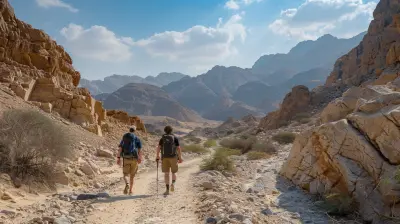
When hiking, don’t go off-trail—even if the perfect selfie spot is “just over there.” Trampling plants, eroding trails, and disturbing local fauna just so you can "get the shot" isn’t a great look.7. Watch Where You Spend Your Cash
? Say No to Orphanage Tourism
Visiting orphanages or volunteering for a few days might feel like you're helping, but in many cases, it does more harm than good. It can contribute to child exploitation or keep kids in institutional care unnecessarily.If you want to help, donate to reputable organizations or support community-based initiatives that actually build long-term solutions.
?♂️ Choose Ethical Tours
Some tours are all about profit; others genuinely support the local community. Look for experiences led by residents, especially from marginalized groups. Whether it’s a cooking class with a local grandma or a city tour by a refugee-led organization, these experiences are not only meaningful but also impactful.8. Learn the Language (A Little Bit)
You don’t need to become fluent, but learning a few basic phrases—like “hello,” “please,” “thank you,” and “excuse me”—can go a long way. People appreciate the effort, and it shows respect for their culture.Plus, it can be pretty fun. Who doesn’t love butchering a phrase in another language only to be met with a kind smile (or polite laughter)?
9. Slow Travel Is the Best Travel
? Stay Longer and Go Deeper
Instead of ticking off 10 cities in 7 days, slow down. Spend more time in one place. You’ll reduce your carbon footprint, really get to know the destination, and have richer travel experiences.Think quality over quantity. Deep travel beats fast travel every time.
10. Leave the Place Better Than You Found It
Pick up litter, even if it’s not yours. Recommend ethical businesses online. Share positive experiences with your friends. Your actions, both big and small, make waves.Imagine if every traveler left places a little better—how awesome would the world be?
Final Thoughts: It’s Cool to Care
Being a responsible tourist isn’t about being perfect. It’s about being better. More thoughtful. More aware. More connected to the world around you.You can still savor that dreamy gelato in Rome or trek through the Andes with your camera in hand. Just try to leave a trail of kindness, not destruction. The best souvenirs are the stories you collect, and the relationships you build—not the coral you stole or the plastic bag you left on a beach.
So, next time you pack your bags and head out into the world, ask yourself: Am I being the kind of traveler I’d want visiting my own hometown?
If you can say “yes,” you're already doing it right.
all images in this post were generated using AI tools
Category:
Travel TipsAuthor:

Pierre McKinney
Discussion
rate this article
1 comments
Zora McElhinney
Oh sure, just don't forget to ask the local pigeons for permission before you take that selfie...
June 11, 2026 at 2:24 AM
Pierre McKinney
Good idea! I'll make sure to check in with them for approval...