How to Navigate Foreign Airports Like a Pro by 2027
13 May 2026
You step off a 12-hour flight, your back aches, your brain feels like static, and suddenly you're staring at a terminal the size of a small city. Signs in languages you don't read. Screens flashing codes you half-recognize. A thousand people moving in directions that make no sense. Sound familiar?
Airports are the ultimate equalizer. They don't care if you're a CEO or a backpacker. They'll chew you up and spit you out if you're not ready. But here's the thing: by 2027, the rules have already changed. The old tips about "arrive three hours early" and "pack a snack" are cute, but they won't save you. What will save you is a completely new playbook.
Let's break down how to walk through any international terminal like you own the place, starting right now.
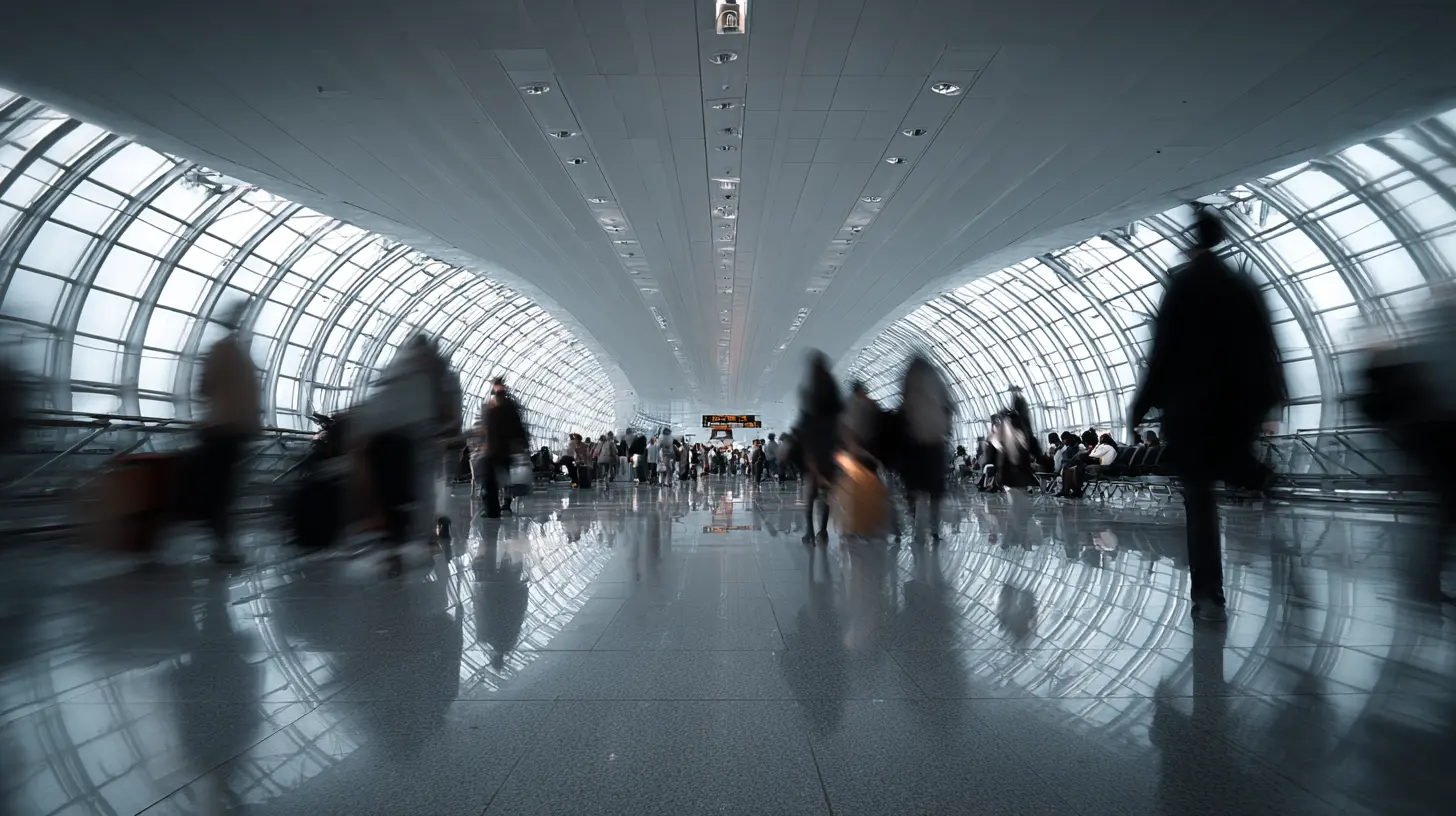
The Pre-Flight Mindset Shift
Most travelers treat airports as obstacles. They're something to survive. That's the first mistake. By 2027, the pros treat airports as tools. Think of it like this: you wouldn't walk into a hardware store without knowing what you need to buy. You'd end up lost in the aisle of weird screws. Same logic applies here.Before you even book a ticket, you need to map the terrain. Not the physical layout of the airport, but the digital one. Every major international airport now has a dedicated app that does more than just show flight times. These apps tell you which security lines are shortest, where the quiet gates are, and even which bathrooms have the least traffic. Download them before you leave home. Set up notifications. Let the app do the heavy lifting.
Here's a personal rule I swear by: spend 15 minutes the night before your flight watching a YouTube walkthrough of the arrival airport. Yes, it sounds obsessive. But when you land and see that exact same corridor, your brain will thank you. You'll already know where the customs hall is, where the baggage claim hides, and which exit leads to the train station. It's like having a cheat code for reality.
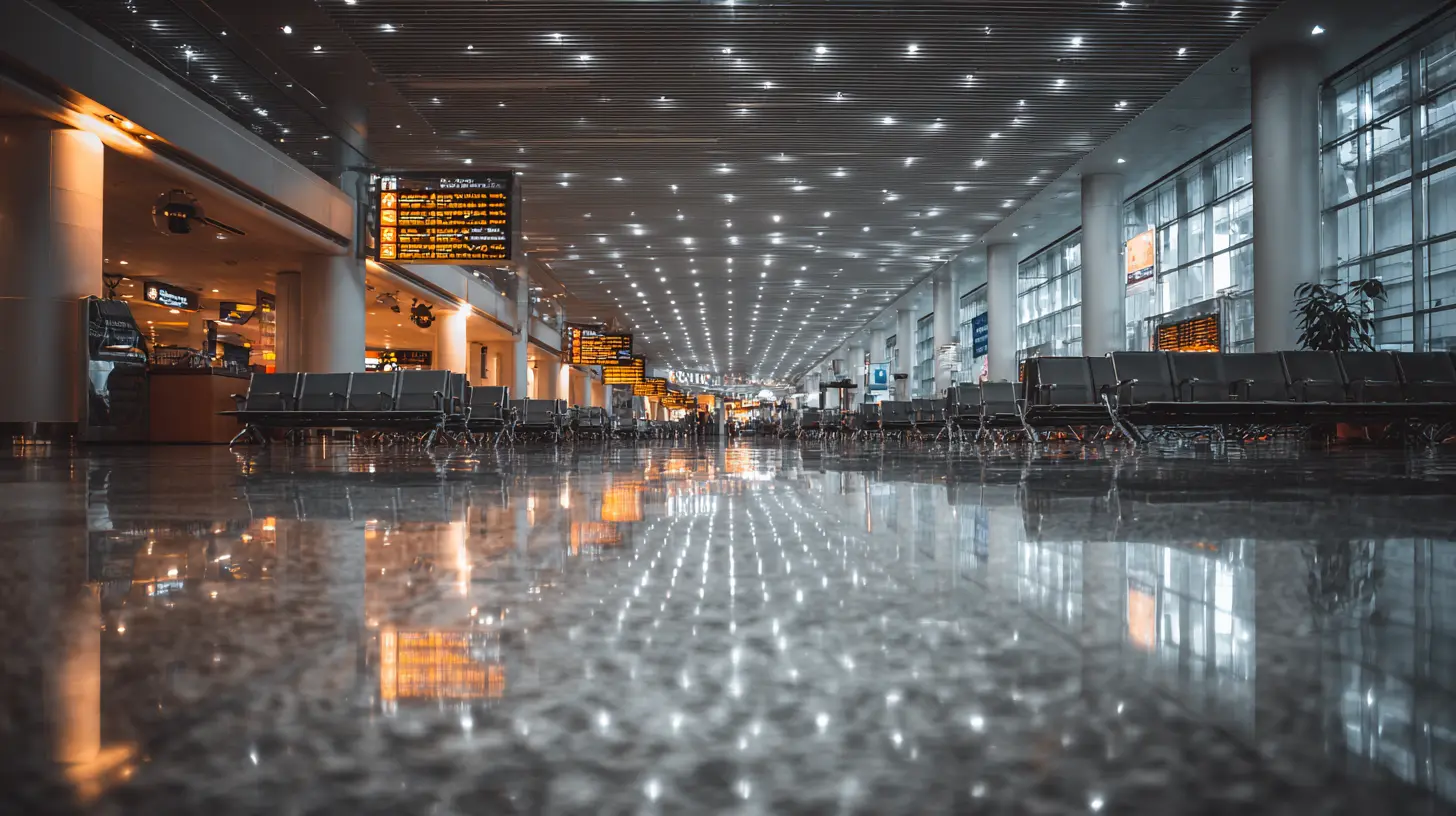
Biometrics Are Your Best Friend
By 2027, biometric screening isn't futuristic anymore. It's everywhere. Airports in Singapore, Dubai, London, and Tokyo have rolled out facial recognition that lets you skip the passport stamp line entirely. If you haven't enrolled in a trusted traveler program like Global Entry, TSA PreCheck, or the UK's equivalent, you're working twice as hard for no reason.But here's the sharp part: don't just sign up. Use the biometric lanes strategically. They're not always faster if the line is long. Check the app to see wait times. Sometimes the old manual line moves quicker because everyone rushes to the "fancy" lane. Be smart. Be fluid. Pick the path of least resistance, not the one with the coolest tech.
Also, keep your phone charged. More airports now require you to scan a QR code at immigration instead of filling out a paper form. If your battery dies at 2%, you're that person fumbling for a charger while the officer sighs. Buy a portable charger that can fast-charge your phone twice. Don't cheap out on this. It's the difference between a smooth entry and a sweaty mess.
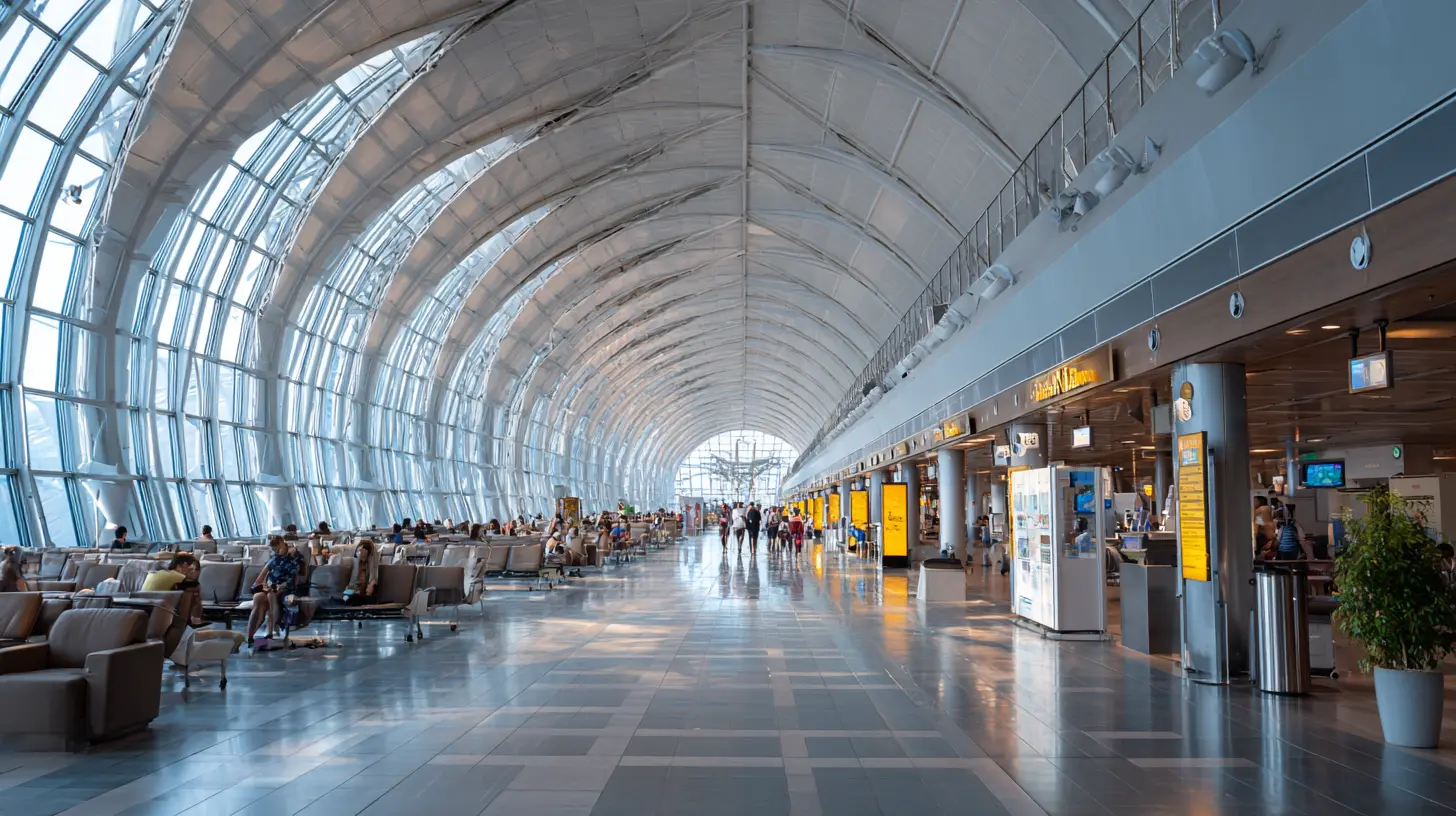
The Art of the Wrong Turn
Here's a counterintuitive trick: get lost on purpose. Not in a dangerous way, but in a calculated way. When you have a layover longer than two hours, resist the urge to sit at your gate and scroll your phone. Instead, take a deliberate wrong turn. Walk toward the far end of the terminal. Check out the weird shops. Find the observation deck if there is one.Why? Because airports are designed to funnel you toward retail and food. The good stuff, the quiet corners, the hidden lounges, are always off the main path. By 2027, many airports have installed "wellness zones" with nap pods, yoga rooms, and even indoor gardens. Nobody tells you about these. You have to find them.
I once discovered a rooftop terrace at Changi Airport in Singapore because I took a wrong turn looking for a restroom. It changed my entire travel vibe. Now I make a game of it. See how many hidden gems I can find before boarding. It turns the airport from a waiting room into an adventure.
Master the Layover, Not Just Survive It
Layovers are where most people lose their cool. Three hours in a random European hub with nothing to do? That's a recipe for bad airport food and regret. But by 2027, you have options that didn't exist five years ago.First, book a lounge pass even if you're flying economy. You don't need a fancy credit card. You can buy a single-entry pass through apps like LoungeBuddy or Priority Pass for $25 to $50. That gets you free drinks, real food, comfortable seats, and most importantly, showers. A shower during a long layover is like hitting the reset button on your brain. You'll land at your destination feeling human instead of zombie.
Second, use the airport's "transit hotel" for power naps. These aren't just for rich people anymore. Many airports now offer capsule hotels or sleeping pods by the hour. Osaka's Kansai Airport has a full spa. Helsinki's airport has a nap zone with recliners. The cost is usually less than a bad meal. Prioritize sleep over shopping. You can buy a souvenir anywhere. You can't buy back your energy.
Third, plan your meals. Airport food is notoriously overpriced and mediocre. But some airports have legit local cuisine. Istanbul Airport has a Turkish coffee stand that rivals anything in the city. Incheon Airport in Seoul has a Korean BBQ restaurant. Do your homework. Find the one good food spot in your terminal and make that your mission. It turns a boring layover into a mini food tour.
The Luggage Trap and How to Dodge It
Carrying heavy bags through a foreign airport is the fastest way to hate your life. By 2027, the pros use luggage delivery services. You can check your bags from your home city all the way to your hotel without ever touching them again. Companies like LugLess or Send My Bag handle it. Yes, it costs money. But it's cheaper than a chiropractor.If you can't afford that, then pack lighter than you think you need. I mean brutally light. A carry-on and a personal bag. That's it. You don't need four pairs of shoes. You don't need "just in case" outfits. You need clothes that work together, a good pair of walking shoes, and a jacket that packs small. Everything else is dead weight.
And for the love of all that is holy, use packing cubes. They compress your clothes, organize your bag, and make security checks faster. When you're fumbling through a backpack to find your liquids bag, you look like an amateur. With packing cubes, you zip out the cube, pull out your liquids, and you're done. Ten seconds. That's the difference between pro and tourist.
Security Theater and How to Win
Security lines are the great equalizer of misery. But by 2027, you can game them if you know the tricks.First, dress for speed. Wear slip-on shoes. No belt. No jacket. No metal. Keep your pockets empty. Put your phone, wallet, and passport in your bag before you enter the line. The people who fumble at the bin are the ones who hold up everyone. Don't be that person.
Second, use the "family lane" even if you're alone. Some airports have a separate line for families with small children. It moves slower, so nobody uses it. But here's the trick: if the regular line is 30 minutes and the family lane is empty, ask the agent if you can use it. I've done this a dozen times. They usually say yes. You just saved 20 minutes by being polite and observant.
Third, know the liquid rules by heart. In 2027, most airports have upgraded scanners that let you keep liquids in your bag. But some haven't. Check the airport's website before you fly. If they still require the old 100ml rule, have your liquids in a clear bag ready to go. If they don't, keep everything packed tight. Nothing screams "I don't know what I'm doing" like pulling out a gallon-sized Ziploc of toiletries at the last second.
The Language Barrier Hack
You don't need to be fluent in the local language. But you do need three phrases: "Hello," "Thank you," and "Where is the bathroom?" Learn those before you land. It shows respect. It also helps when you're lost and need to ask for help.But here's the real pro move: use Google Translate offline mode. Download the language pack for your destination before you leave home. Then, when you're staring at a sign in Arabic or Japanese, just point your phone camera at it. The app translates it in real time. This works for menus, signs, and even handwritten notes. It's like having a magic decoder ring in your pocket.
Also, don't be afraid to use hand gestures. Point, nod, smile. Humans have communicated without words for thousands of years. Airports are full of staff who deal with confused travelers every day. They've seen it all. Just be polite, keep your cool, and you'll get where you're going.
The Exit Strategy
You've cleared customs. You've got your bag. Now what? This is where most people freeze. They stand in the middle of the arrivals hall, staring at their phone, trying to figure out how to get to the hotel. Don't do that.Before you land, know your exit plan. Is there a train? A bus? A ride-share pickup zone? Pre-book a transfer if you can. Many airports now have dedicated apps for booking taxis or shuttles from the baggage claim area. Use them. Do not wander outside and get ambushed by unlicensed drivers who charge triple the rate.
If you're taking public transport, buy your ticket or transit card before you leave the airport. Most major airports have a machine or a kiosk near baggage claim. Do it there. Don't wait until you're at the train platform with a line behind you.
And here's the final secret: walk with purpose. Even if you have no idea where you're going, walk like you do. Shoulders back. Eyes forward. Pace steady. Airport staff and other travelers will instinctively get out of your way. If you look lost, you'll attract scammers and slowpokes. If you look like you belong, the airport becomes your oyster.
The Big Picture
Navigating foreign airports by 2027 isn't about being rich or having elite status. It's about preparation, observation, and a little bit of swagger. The airports themselves are getting smarter, but they still rely on you to be the pilot of your own journey.So next time you step off a plane, don't brace for chaos. Smile. You've already won. You've done the research. You've downloaded the apps. You've packed light. You know where the hidden garden is. You're not a tourist anymore. You're a pro.
Now go conquer that terminal.
all images in this post were generated using AI tools
Category:
International Travel TipsAuthor:

Pierre McKinney
Discussion
rate this article
1 comments
Noelle Forbes
Helpful tips for stress-free travel.
June 5, 2026 at 3:07 AM
Pierre McKinney
Thanks for your feedback! I hope the tips help make airport navigation smoother for everyone. Safe travels!