How to Stay Healthy While Traveling: Immunizations, Water, and More
25 May 2026
Traveling is one of life’s greatest joys. New places, new foods, exciting cultures—what’s not to love? But let’s be real: catching a stomach bug, getting sunstroke, or ending up in a foreign hospital can bring your dream trip to a screeching halt. Staying healthy while traveling isn’t just a nice-to-have; it’s essential if you want to actually enjoy your adventures.
In this guide, we're breaking down the nitty-gritty of staying healthy on the road—covering everything from vaccines, safe water habits, and food choices, to sleep, sun protection, and that all-important travel first aid kit. So sit back, relax (unless you’re on a bumpy bus somewhere), and let’s dig in.
Why Health Should Be Part of Your Travel Checklist
You wouldn't forget your passport, so why neglect your health prep?Staying healthy while traveling isn't just about avoiding food poisoning or mosquito bites. It’s about making sure you can actually do all the cool things you planned. Think hiking in the Andes, strolling through European alleyways, or diving into tropical waters. All of that becomes 10x harder if you’re stuck in bed with a fever. Or worse—hospitalized in a place where you don’t speak the language.
Planning for your health is just smart travel. And it starts with…
Immunizations: Do Your Shots Before You Fly
One of the first things you should think about when planning a trip—especially internationally—is immunizations. Think of them as an insurance policy for your body.Check Before You Book
Start by checking health requirements or recommendations for your destination. The Centers for Disease Control and Prevention (CDC) and the World Health Organization (WHO) have comprehensive lists.Some common travel vaccinations include:
- Hepatitis A and B
- Typhoid
- Yellow Fever
- Rabies (in certain regions)
- Japanese Encephalitis
- Meningitis
- Tetanus booster (especially if you’re hiking or biking)
Some shots are mandatory to enter certain countries—like the Yellow Fever vaccine for parts of Africa and South America.
Tip: Some vaccines require multiple doses or time to become effective. Book your travel clinic visit at least 6–8 weeks before departure.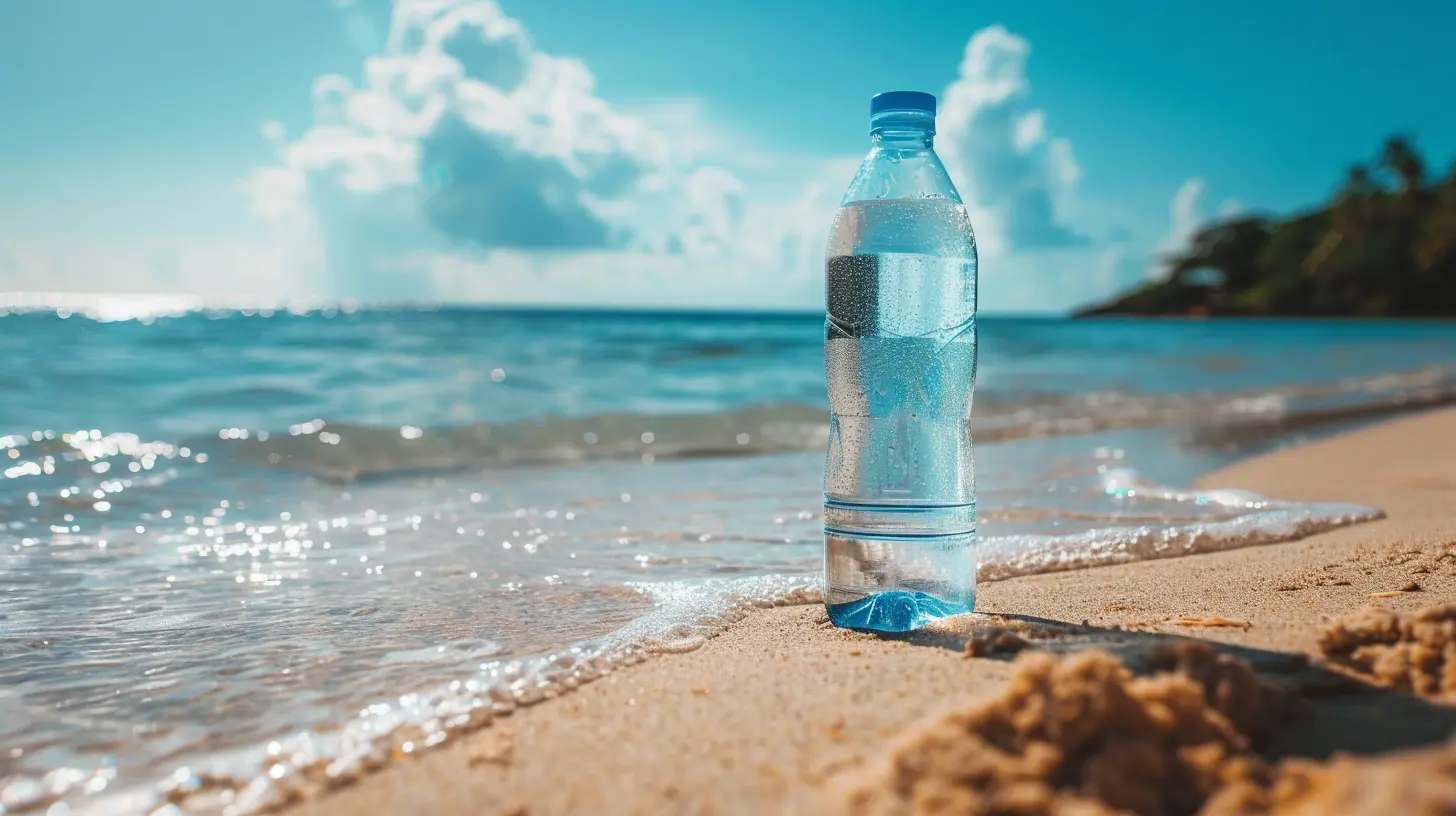
Water Safety: Don’t Drink from the Tap (and Other Rules)
It’s easy to take safe drinking water for granted. But in many parts of the world, tap water can contain bacteria and parasites that your stomach simply isn’t equipped to handle.Stick to Bottled or Filtered Water
If tap water isn't safe where you're going, always:- Drink bottled water (check the seal!)
- Use a filtered or UV-sterilized water bottle
- Boil water for at least 1 minute if you’re in a pinch
Watch Out in the Shower and While Brushing
Yeah—don’t forget about water that sneaks in through the back door. When brushing your teeth or washing fruits, use bottled or purified water. Even in the shower, avoid gulping water (we’ve all done it by accident, don’t worry).Ice is Not Always Nice
Ice cubes are often made from tap water. Skip ice in drinks when in doubt. It’s a bummer, but drinking a warm soda is better than spending a week on the toilet.
Smart Eating: Follow the "Peel It, Boil It, Cook It… or Forget It" Rule
You’ve probably heard this before. And it still applies.Street Food: Risky or Worth It?
Street food is a highlight of travel—no argument there. But hygiene standards vary wildly. To play it safe:- Look for busy vendors with high turnover (fresh = safer)
- Choose food that's cooked in front of you
- Avoid raw or undercooked meats
Salads and Raw Foods
That fresh salad might look tempting, but if it’s washed with contaminated water? Not so great.Foods to be cautious with:
- Raw fruits and vegetables (unless you peel them yourself)
- Pre-cut fruits
- Unpasteurized dairy products
When in doubt, go hot, freshly cooked, and peelable.
Sleep, Jet Lag, and Keeping Your Energy Up
Jet lag is the sneaky villain that can throw off your whole trip. New time zones, crazy itineraries, and late-night dance parties can seriously mess with your internal clock.Tips to Beat Jet Lag
- Adjust your sleep schedule 2–3 days before your trip- Stay hydrated (skip alcohol and caffeine on the flight)
- Try to sleep on the plane during your destination’s nighttime
- Get sunlight the next morning—it helps reset your internal clock
And don’t underestimate the power of a short nap—20–30 minutes can work wonders. Just don’t overdo it or your body clock will rebel.
The Power of Hand Hygiene
Washing your hands might seem basic, but it’s your first line of defense against germs.Always Wash Before:
- Eating- Touching your face
- Handling contact lenses
- After using public transport (or petting adorable street dogs)
If soap and water aren’t around, hand sanitizer with at least 60% alcohol should be your best friend.
Pro traveler tip: Keep a mini bottle in every bag—daypack, purse, even your camera case!
Sun Protection: Don’t Let the Rays Ruin Your Trip
Nothing screams "tourist!" like a lobster-red sunburn. More importantly, sun damage can be seriously harmful.Pack Your SPF
- Use broad-spectrum sunscreen (SPF 30+)- Reapply every 2 hours (more if you’re swimming or sweating)
- Wear a hat, sunglasses, and protective clothing
And don’t forget UV rays are more intense at high altitudes and near water. Even cloudy days can roast you!
Insect Safety: Mosquitoes, Ticks, and Other Tiny Terrors
Depending on where you’re going, insect-borne diseases like malaria, dengue, Zika, and Lyme disease might be a real risk.Suit Up Against Bites
- Use insect repellent with DEET or picaridin- Wear long sleeves and pants, especially at dawn/dusk
- Sleep under a mosquito net in high-risk zones
Bonus: Avoid sweet-smelling perfumes and cosmetics. They attract bugs like free Wi-Fi attracts digital nomads.
For high-risk zones, antimalarial medications might be recommended—check with your travel doc.
Travel Insurance: Don’t Travel Without It
Think of travel insurance as your health safety net. It can cover everything from hospital stays and emergency evacuations to canceled flights due to illness.Make sure your policy includes:
- Comprehensive medical coverage
- Emergency evacuation
- COVID-19 coverage (still relevant!)
- Coverage for any adventure activities you're planning (like scuba diving or hiking)
You'll thank yourself later, trust me.
Your Travel First Aid Kit: Pack It Like a Pro
A compact, well-stocked first aid kit is a game-changer. It doesn’t need to be fancy—just functional.Essentials to Include:
- Pain relievers (ibuprofen, acetaminophen)- Anti-diarrheal meds (like loperamide)
- Electrolyte packets (for dehydration)
- Band-aids, gauze, antiseptic wipes
- Antihistamines (for allergies)
- Motion sickness pills
- Tweezers and small scissors
- Prescriptions (with doctor’s note)
If you're traveling long-term or heading somewhere remote, consider adding antibiotics (prescribed) and a thermometer.
Pro tip: Keep your kit in your carry-on, not checked baggage.
Mental Health: Don’t Skip This Part
Travel can be exhilarating… and exhausting. That constant go-go-go can take a toll on your mental health, especially if you're solo or facing culture shock.Keep Your Mind in Check
- Take rest days- Stay in touch with friends and family
- Practice mindfulness or journaling
- Set realistic expectations—you don’t have to do everything
Feeling overwhelmed or anxious is totally normal. Be kind to yourself. Sometimes the best thing you can do is chill at a café and watch the world go by.
Final Words: Travel Smart, Travel Healthy
You don’t need to be a germaphobe or carry a hazmat suit to stay healthy while traveling. It’s all about being prepared, staying aware, and taking simple, smart steps to protect yourself.So go ahead—book that trip, pack your bags, and grab your health essentials. With a little prep, you’ll be soaking up sunsets, feasting on street food, and navigating new cities without a care (or cough) in the world.
Ready for adventure? Just make sure your health hops on the plane with you.
all images in this post were generated using AI tools
Category:
Travel TipsAuthor:

Pierre McKinney
Discussion
rate this article
1 comments
Tamara Frye
If only my immune system had a frequent flyer program. But seriously, pack those vaccines like they're souvenirs, and drink water like you're a camel on a road trip. Stay hydrated, folks!
June 14, 2026 at 3:55 PM