Inca Ingenuity: Touring the Terraced Ruins of Ollantaytambo
19 March 2026
Perched high in the Andes, the ancient ruins of Ollantaytambo stand as a testament to the brilliance of Inca engineering. This breathtaking site, once a military, religious, and agricultural hub, offers an immersive glimpse into a civilization that defied the limits of nature. If you’re planning a trip to Peru, Ollantaytambo should be at the top of your list. But what makes it so special? Let’s take a deep dive into the ingenuity behind its design and what you can expect when visiting.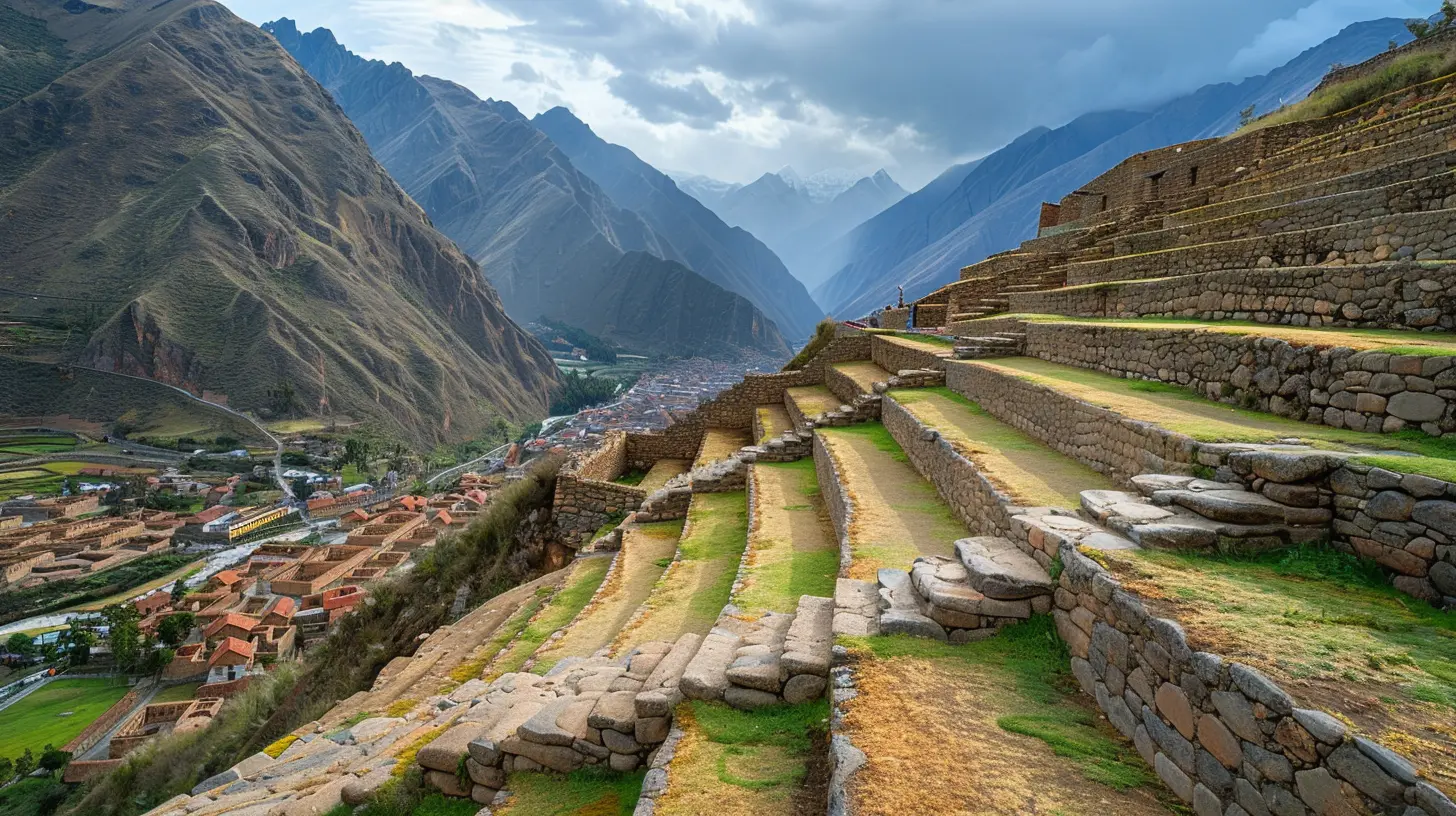
A Gateway to the Sacred Valley
Nestled in the Sacred Valley of the Incas, Ollantaytambo is more than just a set of ruins—it's a living, breathing piece of history. Unlike many Inca sites that were abandoned after the Spanish conquest, this town remains inhabited, preserving centuries-old traditions. Walking through its narrow cobblestone streets feels like stepping back in time.But the real magic lies in the archaeological complex towering above the town. These massive terraces, temples, and fortifications are nothing short of an engineering marvel. And the best part? You don’t need to be a history buff to appreciate the sheer brilliance on display. 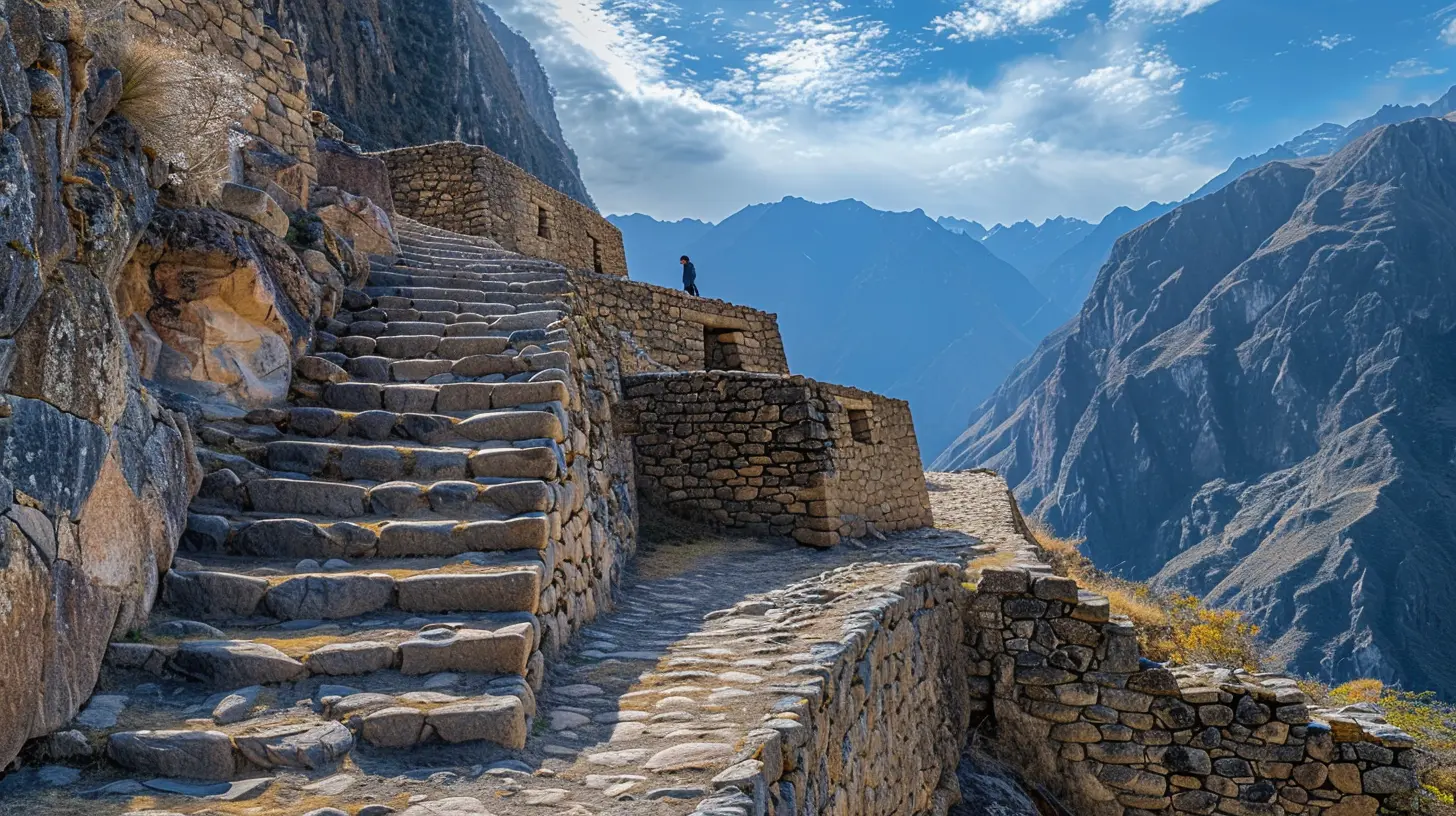
The Mind-Blowing Terraces of Ollantaytambo
At first glance, the terraces of Ollantaytambo might seem like simple agricultural platforms, but they serve a much more significant purpose. The Inca were masters at adapting to the rugged Andean terrain, and these terraces were their way of not just growing crops but also preventing erosion and controlling water flow.Each terrace was carefully designed with layers of rock, sand, and soil to ensure perfect drainage. This allowed the Incas to cultivate food at high altitudes without the risk of flooding or soil depletion—an ancient form of sustainable farming that still impresses modern-day scientists.
Why do these terraces matter?
- They expanded farmland in the mountainous terrain.
- They prevented landslides with their sturdy retaining walls.
- They created microclimates, allowing different crops to grow at different levels.
Simply put, these terraces were more than just a solution—they were a stroke of genius. 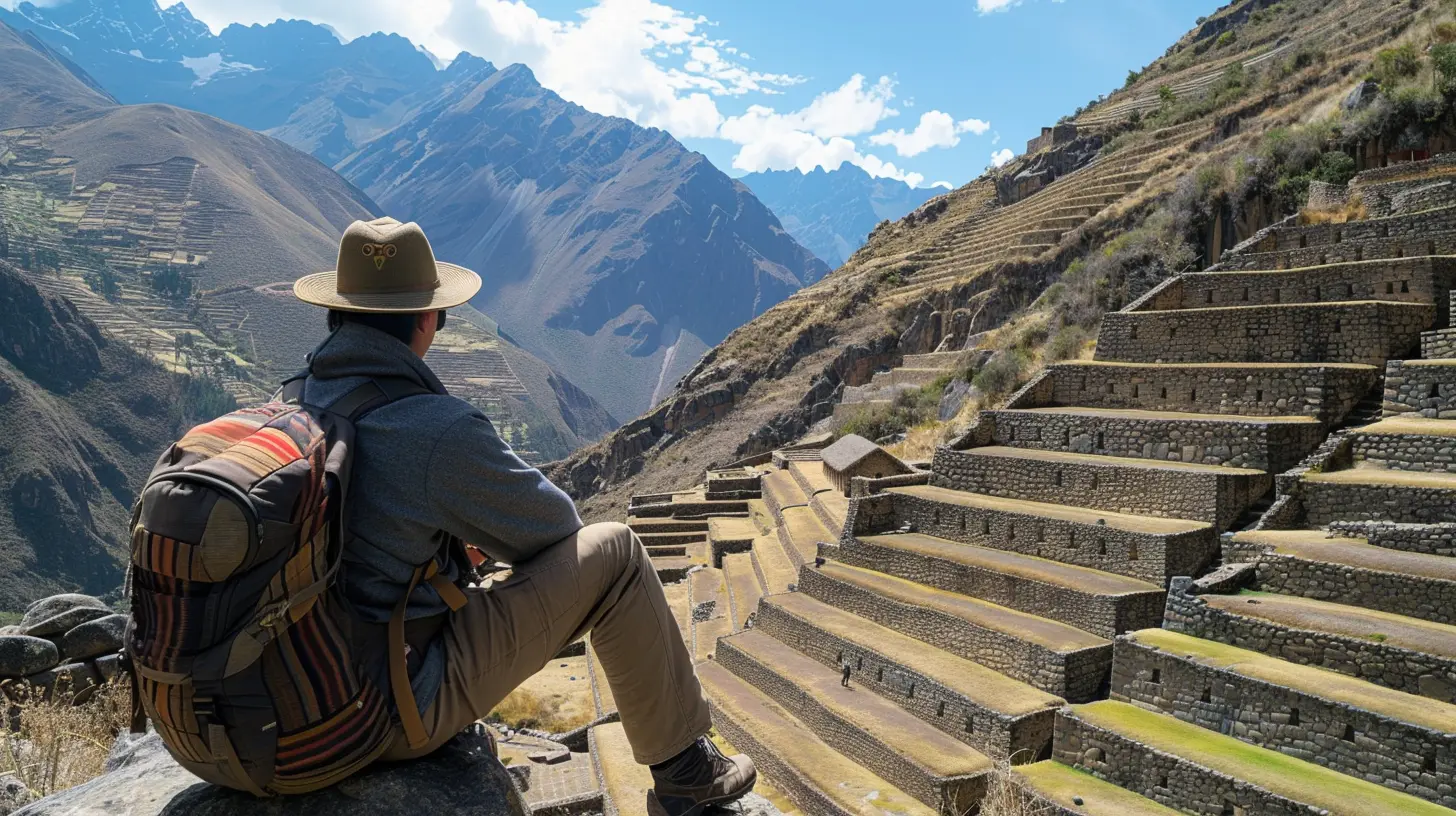
The Temple of the Sun: A Testament to Inca Precision
Climbing to the top of the ruins leads you to one of Ollantaytambo’s most striking structures: the Temple of the Sun. This unfinished masterpiece consists of enormous pink granite blocks, some weighing over 50 tons. Just imagine moving those stones without modern machinery!The most intriguing part? These massive blocks were transported from a quarry located 4 miles away, across the Urubamba River and up steep mountain slopes. How did the Incas manage this? Theories suggest they used a combination of rope, ramps, and sheer manpower.
But what makes the Temple of the Sun truly fascinating is its alignment with the sun during the solstices. Much like Machu Picchu and other Inca sites, this temple was built with astronomical precision, proving that the Incas were not only master builders but also expert astronomers. 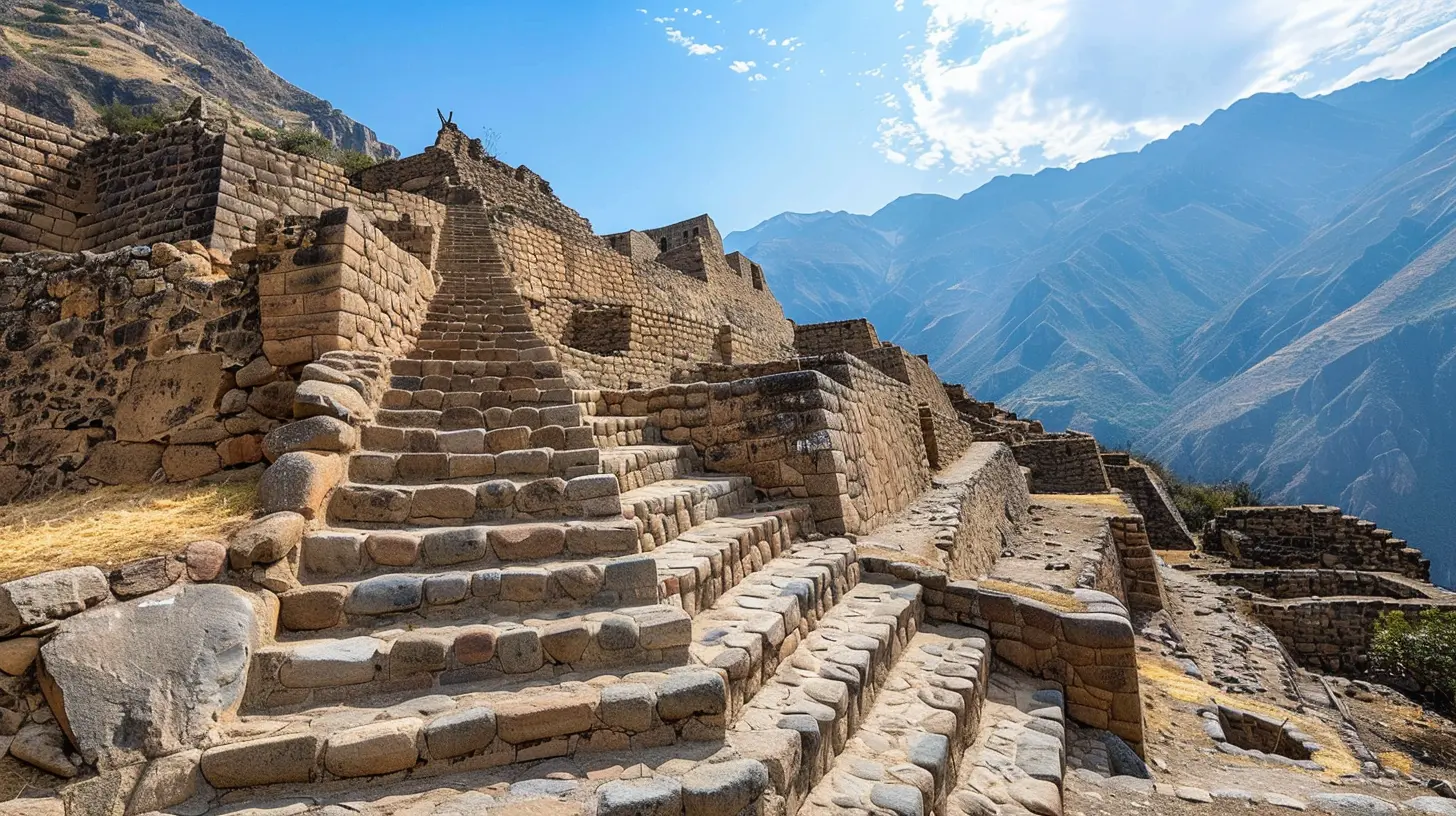
The Mysterious Pinkuylluna Storage Houses
If you happen to glance up at the opposite mountain while visiting Ollantaytambo, you’ll notice ancient storage houses carved into the cliffs. These structures, known as Pinkuylluna, were used to store grains and food reserves for the Inca army and local population.But why were they built so high up? The elevation allowed for better ventilation, keeping food cool and dry. It’s a simple yet effective solution that once again highlights the Inca’s knack for using their environment to their advantage.
For the adventurous traveler, there’s a short but steep hike leading up to these storage houses. The view from the top? Absolutely stunning.
The Last Stand Against the Spanish
Ollantaytambo isn’t just famous for its engineering—it’s also known as the site of one of the Inca’s last victories against the Spanish. In 1537, the legendary Inca leader Manco Inca Yupanqui used the strategic layout of the terraces to his advantage, successfully repelling Spanish forces.By diverting water channels to flood the valley below, he made it nearly impossible for the Spanish cavalry to advance. Unfortunately, this victory was short-lived, and the Incas were eventually forced to retreat to Vilcabamba.
Today, standing on those very terraces, you can almost hear the echoes of the fierce battles that once raged here.
Hiking Up the Ruins: What to Expect
Getting to the top of the ruins requires a fair amount of climbing, but trust me—it’s worth every step. The stone staircases can be steep, so take your time and bring plenty of water.Once you reach the top, you’ll be rewarded with jaw-dropping panoramic views of the Sacred Valley, the Urubamba River, and the surrounding mountains. It’s the kind of scenery that makes you stop in your tracks and take a deep breath of that crisp Andean air.
Pro Tips for Your Visit:
- Wear comfortable shoes – The climb is no joke!
- Visit early in the morning or late afternoon to avoid the crowds.
- Bring sun protection – The high altitude sun can be brutal.
- Take it slow – The altitude can make climbing a bit harder than expected.
The Charming Town of Ollantaytambo
After exploring the ruins, take some time to wander through the town itself. Ollantaytambo is one of the few places where the original Inca urban planning remains intact. The narrow streets, ancient water channels, and traditional adobe houses create an atmosphere unlike anywhere else in Peru.You’ll also find plenty of cozy cafes, artisan markets, and friendly locals eager to share their stories. If you’re looking for an authentic Peruvian experience, this is the place to be.
How to Get to Ollantaytambo
Ollantaytambo is easily accessible from Cusco, making it a popular stop on the way to Machu Picchu. Here are your best options:- By train: The PeruRail and IncaRail trains stop at Ollantaytambo en route to Machu Picchu.
- By bus or colectivo: Shared vans leave regularly from Cusco and take about 1.5 to 2 hours.
- By private tour: Many tour companies offer guided day trips, often combined with other Sacred Valley sites.
Whether you make it a day trip or stay overnight, Ollantaytambo is well worth the journey.
Final Thoughts
Ollantaytambo is more than just another set of Inca ruins—it’s a masterpiece of engineering, history, and culture. From its awe-inspiring terraces to the strategic brilliance behind its design, every inch of this site tells a story of resilience and ingenuity.If you're visiting Peru, don’t just rush through Ollantaytambo on your way to Machu Picchu. Take your time, soak in the history, and appreciate the genius of the Inca civilization. Who knows? You might just walk away with a whole new perspective on ancient innovation.
all images in this post were generated using AI tools
Category:
Ancient RuinsAuthor:

Pierre McKinney
Discussion
rate this article
2 comments
Grey Cox
Ollantaytambo's terraced ruins are a stunning testament to Inca engineering and a must-visit for travelers.
April 14, 2026 at 2:25 AM
Pierre McKinney
Absolutely! Ollantaytambo's terraced ruins showcase the incredible engineering skills of the Incas and offer an unforgettable experience for visitors.
Sophie Ramirez
In Ollantaytambo's embrace, where stones whisper tales, Terraced wonders rise, kissed by sun and time’s gentle hands. A journey through ancient dreams, where Inca ingenuity forever dances in the Andes’ heart.
April 2, 2026 at 3:15 AM