The Challenge of a Lifetime: Surviving in Extreme Environments
24 May 2026
Ever wondered how humans manage to survive in the most unforgiving and extreme environments on Earth? From the blistering heat of the desert to the bone-chilling cold of the Arctic, surviving in such places requires grit, resourcefulness, and an iron will.
But what does it really take to endure these extreme conditions? Whether you're an adventure seeker, a survival enthusiast, or just plain curious, let's dive into the challenges of surviving where most wouldn’t dare to tread.
The Harsh Reality of Survival
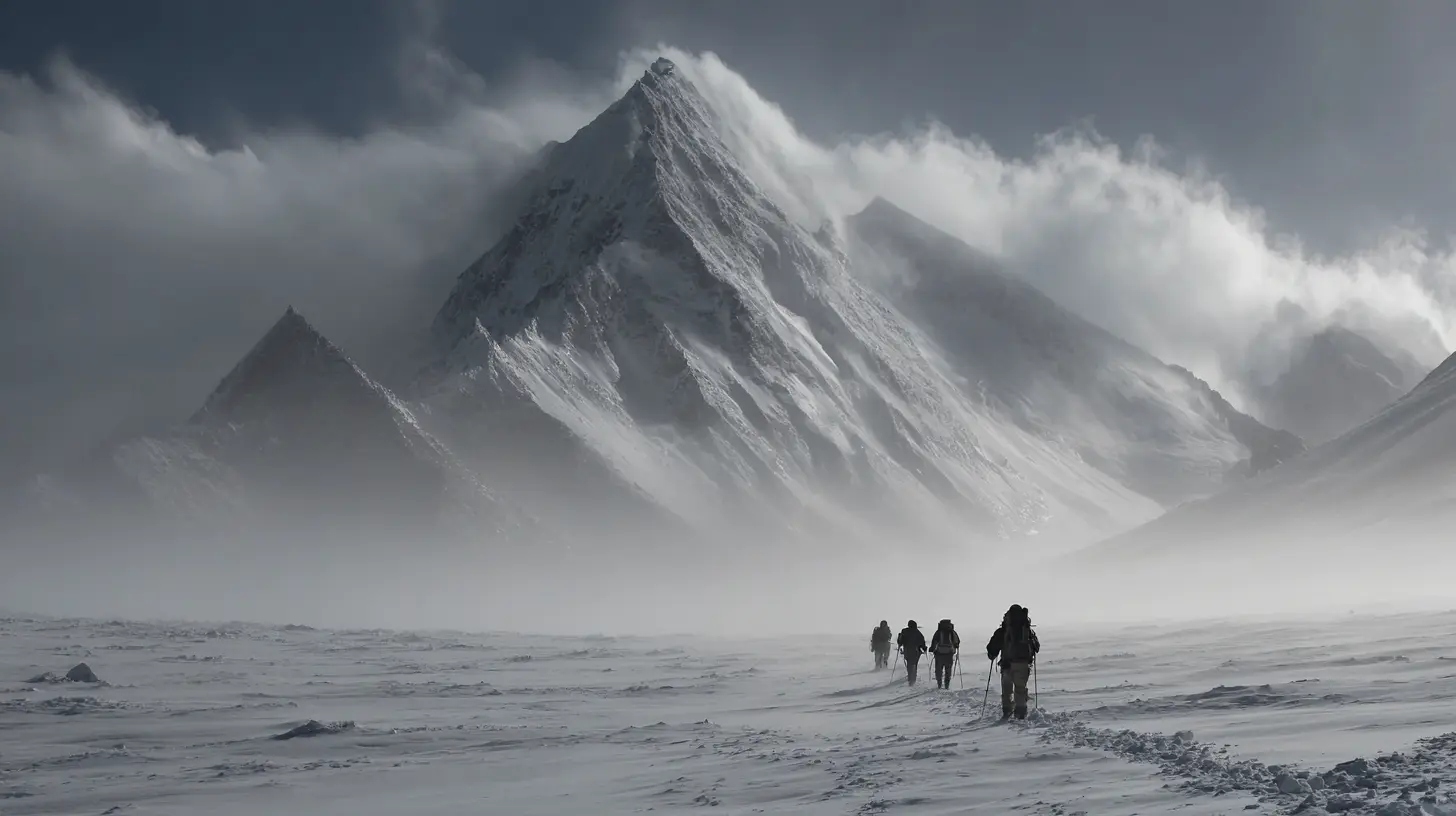
Extreme environments test the very limits of human endurance. They force people to adapt quickly, make life-or-death decisions, and rely on survival techniques that have been passed down through generations.Survival isn’t just about being tough; it’s about being smart. Understanding the environment, preparing for the worst, and knowing how to make the best of what little you have can mean the difference between life and death.
Let's break it down into different types of extreme environments and what it takes to survive them.
1. Surviving the Scorching Desert
The Challenge: Dehydration and Heat Exhaustion
Deserts are some of the most punishing places on Earth. With temperatures soaring above 50°C (122°F) during the day and plummeting at night, it's no wonder many travelers find themselves in danger after just a few hours.Water is scarce, the sun is brutal, and the terrain is often deceptive. One wrong turn and you could be wandering for hours—or worse, days—without any hope of finding civilization.
How to Survive:
- Stay Hydrated but Conserve Water – Your body loses water rapidly in extreme heat. Sip small amounts periodically instead of chugging it all at once.- Avoid the Sun During Peak Hours – Travel early in the morning or late in the evening to escape the worst of the heat.
- Cover Up – It may sound counterintuitive, but wearing loose, light-colored clothing helps protect your skin from the sun and reduces dehydration.
- Find Shade – If you're stranded, staying in the shade can prevent heatstroke. Even using your backpack or digging a small trench can offer protection.
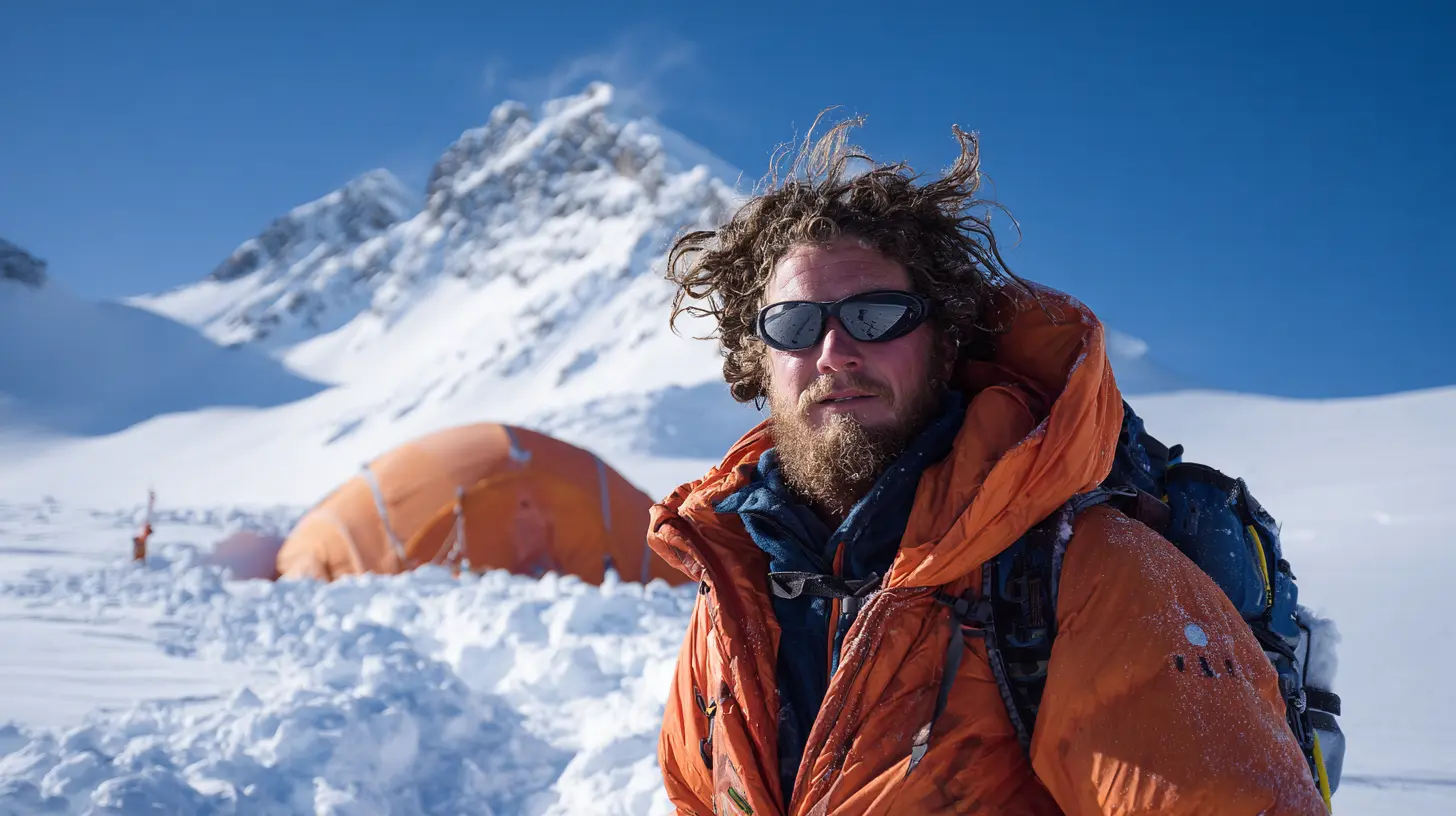
2. Surviving the Freezing Arctic
The Challenge: Hypothermia and Frostbite
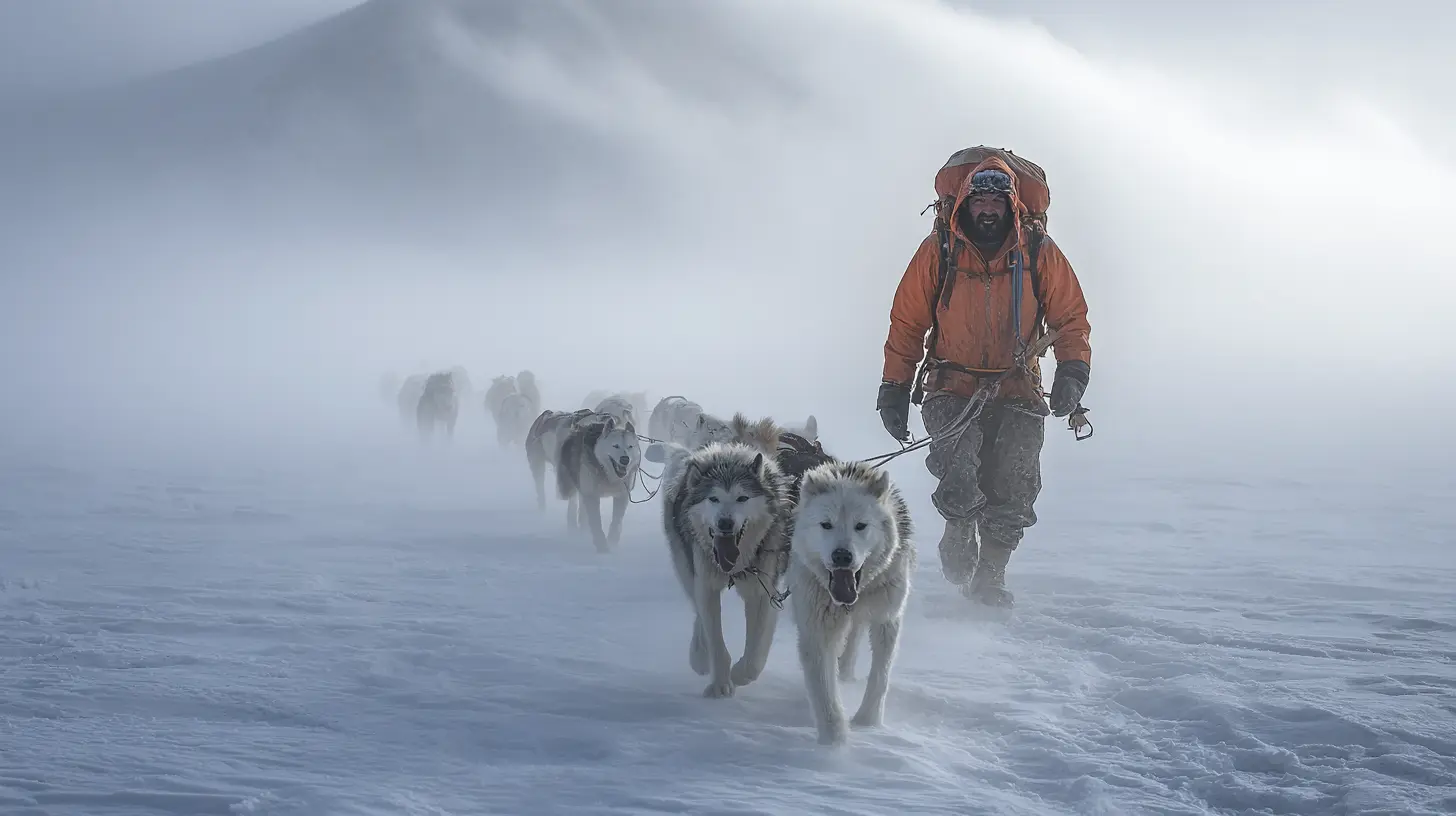
On the opposite end of the spectrum, freezing environments present their own deadly risks. In the Arctic, temperatures can drop to -40°C (-40°F) or lower, and strong winds strip heat from your body in minutes.Hypothermia—when your body temperature falls dangerously low—can set in quickly, causing confusion, sluggish movements, and eventually, unconsciousness. Frostbite can claim fingers, toes, and even limbs if left untreated.
How to Survive:
- Layer Up – Dress in multiple layers to trap heat while keeping moisture away from your skin. Wool and synthetic materials are your best friends here.- Keep Moving – Staying active generates body heat and prevents frostbite. Even small movements like clenching your fists or wiggling your toes help.
- Build Shelter – If you're stuck outdoors, dig a snow cave or build a windbreak to shield yourself from the cold.
- Stay Dry – Wet clothes lose insulation properties fast. Avoid sweating too much, and keep your clothing as dry as possible.
3. Surviving in Dense, Dangerous Jungles
The Challenge: Poisonous Wildlife and Thick Vegetation
Jungles may seem full of life, but they can be just as deadly as a barren desert. With high humidity, unpredictable weather, venomous creatures, and a dense canopy blocking out sunlight, navigating through can be a nightmare.On top of that, infections set in rapidly due to constant moisture, and finding clean drinking water can be a challenge.
How to Survive:
- Stay on Higher Ground – Floods and dangerous creatures often lurk in low-lying areas. Staying a little higher can keep you safe.- Drink Only Purified Water – Many jungle water sources contain bacteria and parasites. Boiling water (if possible) or using purification tablets is essential.
- Avoid Bright-Colored Animals – Many of the most dangerous creatures in the jungle—poison dart frogs and venomous snakes—are brightly colored as a warning.
- Watch Your Step – Thick vegetation can hide deep holes, snakes, and other hazards. Move carefully and deliberately.
4. Surviving High-Altitude Mountains
The Challenge: Altitude Sickness and Extreme Weather
Ever hiked up a mountain and suddenly felt dizzy, nauseous, or out of breath? That's altitude sickness kicking in.At high elevations, oxygen levels drop, temperatures plummet, and unpredictable weather can turn a beautiful trek into a deadly ordeal. Freezing winds, steep climbs, and lack of oxygen make survival a serious challenge.
How to Survive:
- Acclimate Slowly – Your body needs time to adjust to thin air. Ascend gradually and avoid pushing yourself too hard.- Stay Hydrated – Dehydration makes altitude sickness worse. Drink plenty of water even when you don’t feel thirsty.
- Carry Emergency Oxygen – In extreme cases, supplemental oxygen can be life-saving.
- Watch for Symptoms – If you feel nausea, dizziness, headaches, or shortness of breath, descend immediately.
5. Surviving in the Open Ocean
The Challenge: Lack of Fresh Water and Exposure
The open ocean is one of the most terrifying places to get stranded. With nothing but water surrounding you, dehydration, sunburn, and hypothermia (yes, even in warm waters) are immediate threats.Sharks, storms, and powerful currents pose dangers, but the real enemy is time—without food or water, survival chances dwindle fast.
How to Survive:
- Conserve Energy – Floating takes less energy than swimming. Staying afloat and calm is the best strategy.- Protect Yourself from the Sun – Cover exposed skin to prevent severe sunburn, which can speed up dehydration.
- Collect Rainwater – If it rains, use whatever you have to gather fresh water for drinking.
- Signal for Help – If you have reflective materials, use them to catch sunlight and signal passing ships or planes.
The Mindset of a Survivor
Beyond the physical challenges, survival in extreme environments comes down to one thing: mindset. Those who stay calm, adapt, and think strategically have the highest chances of making it through.Mental toughness, problem-solving skills, and an unwillingness to give up are just as important as physical preparedness. Whether lost in the desert or stranded at sea, survival is about persistence and smart decision-making.
Final Thoughts
Surviving in extreme environments is no joke. Nature is unforgiving, and one small mistake can have grave consequences. However, with the right knowledge, preparation, and mindset, the human body and mind can endure incredible hardships.Would you dare to take on the challenge of a lifetime? Whether it's climbing mountains, braving the jungle, or crossing vast deserts, survival comes down to preparation, awareness, and sheer determination.
all images in this post were generated using AI tools
Category:
Adventure TravelAuthor:

Pierre McKinney
Discussion
rate this article
1 comments
Lysander McLanahan
What a fascinating read! It's amazing how resilience shines through in the face of such harsh conditions. Your insights into survival strategies are not just informative but also inspiring. Thanks for sharing this incredible journey into extreme environments!
June 9, 2026 at 3:34 PM
Pierre McKinney
Thank you for your kind words! I'm glad you found the journey and insights inspiring. Resilience truly is remarkable.