Unexpected Street Food Destinations to Explore in 2026
17 May 2026
You know the feeling. You're scrolling through travel feeds, and you see the same old shots of Bangkok pad Thai, Tokyo ramen stalls, or Mexico City tacos. Don't get me wrong, those places are legends. But let's be honest: by 2026, the real thrill isn't in ticking off the usual suspects. It's about finding that corner of the world where the smoke from a grill hits you before you even see the cart, where the local dialect of flavor is something you've never tasted before.
Street food is the heartbeat of a city. It's raw, it's loud, and it doesn't care about your reservations. So, if you're tired of standing in line for the same viral dishes, pack your curiosity. Here are the unexpected street food destinations that will steal your taste buds in 2026.
Why Look Beyond the Usual Hotspots?
Let's face it. The famous street food capitals are crowded, expensive, and sometimes a little too polished. Bangkok's Khao San Road feels more like a theme park than a local market. Meanwhile, cities that never made the top ten lists are cooking up storms that are cheaper, more authentic, and way more surprising.Think of it like music. Everyone knows the top 40 hits. But the real gems are in the underground clubs. These cities are the underground clubs of street food. They have stories to tell, and they don't mind if you get your hands dirty.
1. Tbilisi, Georgia: The Khachapuri Capital You Didn't Know You Needed
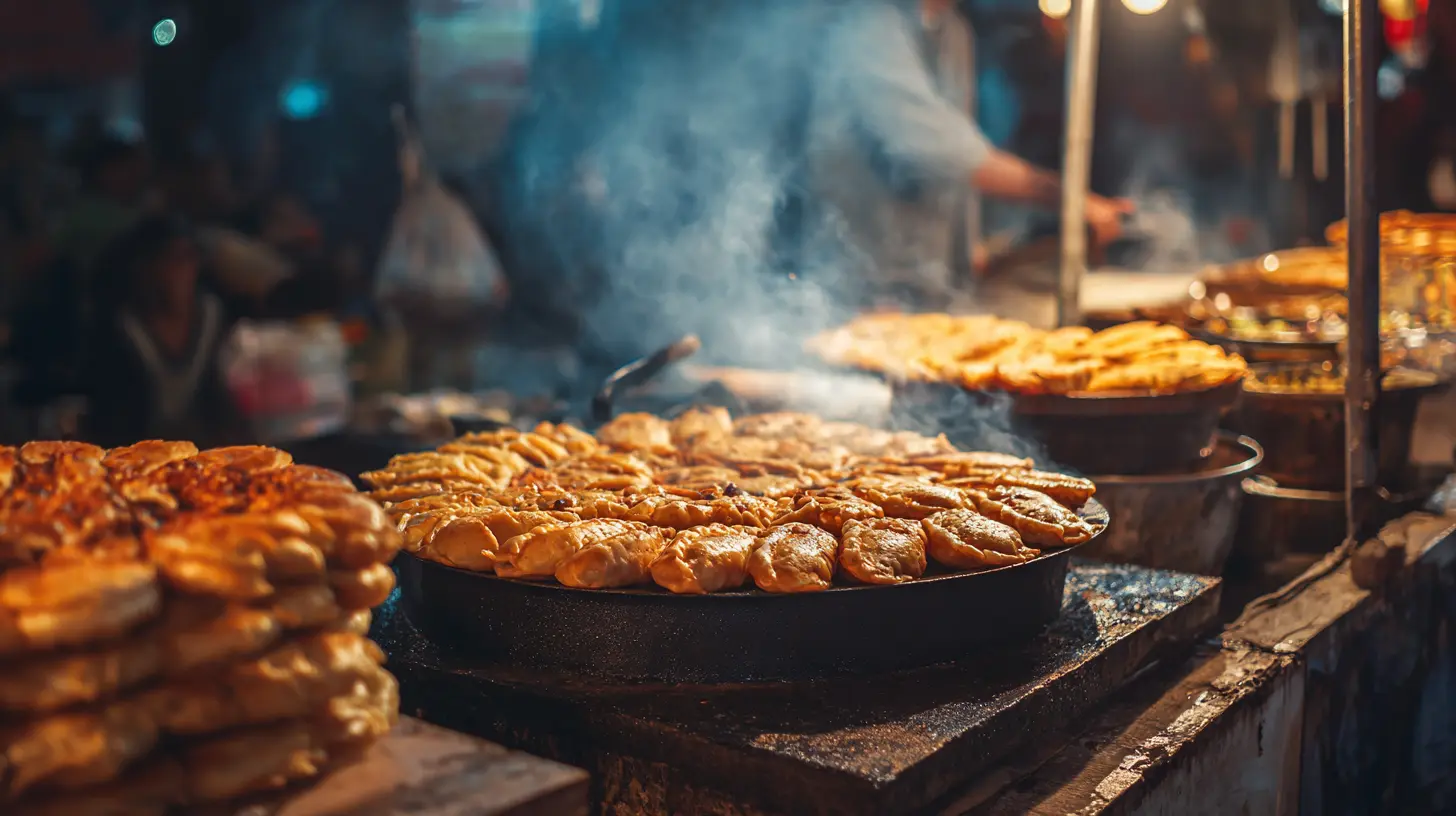
When you think of street food in the Caucasus, you probably draw a blank. That's exactly why Tbilisi is your first stop in 2026. This city runs on bread, cheese, and a whole lot of attitude.The star of the show is, of course, khachapuri. But not the fancy restaurant version. I'm talking about the street-side metal ovens where a baker pulls out a boat-shaped dough filled with melting sulguni cheese, a runny egg, and a knob of butter. You tear off the crispy edges and dip them into the molten center. It's messy. It's glorious. And it costs about the same as a cup of coffee back home.
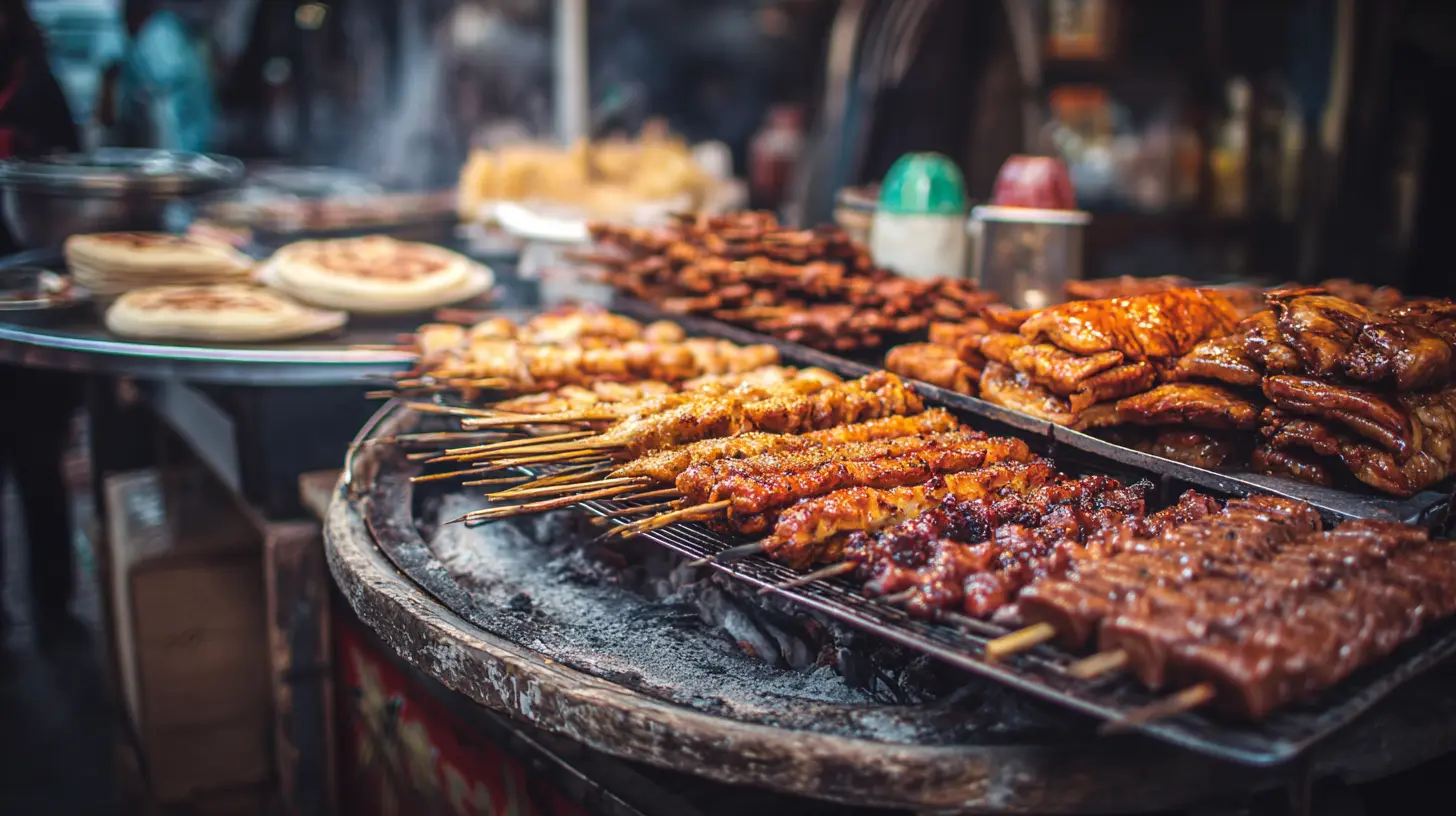
But don't stop there. Look for the mtsvadi vendors. These are guys grilling pork skewers over open flames in random alleys. The meat is marinated in pomegranate juice and herbs, then charred until it's smoky and sweet. The secret? They serve it with a side of raw onion rings and a sour plum sauce called tkemali. It's a flavor bomb that hits sour, savory, and smoky all at once.
Why 2026? Tbilisi is becoming a hub for digital nomads and budget travelers. The street food scene is exploding because locals are proud of their cuisine, and they want to share it without the pretense. Go now before the tourist crowds catch on.
2. Dakar, Senegal: Where West African Heat Meets French Finesse
If you think street food is just for Asia, you're missing half the planet. Dakar is a chaotic, colorful, and incredibly flavorful city that will change your mind about African cuisine. The streets here smell like grilled fish, peanut oil, and fresh mint all at once.The must-try is thiéboudienne. It's the national dish, but on the street, it's served in takeaway bowls by women balancing huge pots on their heads. You get broken rice, a whole fish (head and all), and a sauce made from tomatoes, carrots, cassava, and habanero peppers. It's spicy, it's rich, and it's a one-bowl meal that sticks to your ribs.
Then there's yassa chicken. Vendors marinate chicken in a mixture of onions, lemon juice, and mustard, then grill it over charcoal until the skin is crackling. The onions caramelize into a sweet, tangy jam that you scoop up with crusty baguette bread. Yes, baguette. The French influence is real here, and it makes for a wild hybrid.
The best part? Dakar's street food is social. You'll share a plastic table with strangers, and before you know it, someone is pouring you a cup of attaya (strong mint tea) and telling you stories. In 2026, as travel to West Africa gets easier with new flight routes, Dakar is poised to become a foodie sleeper hit.
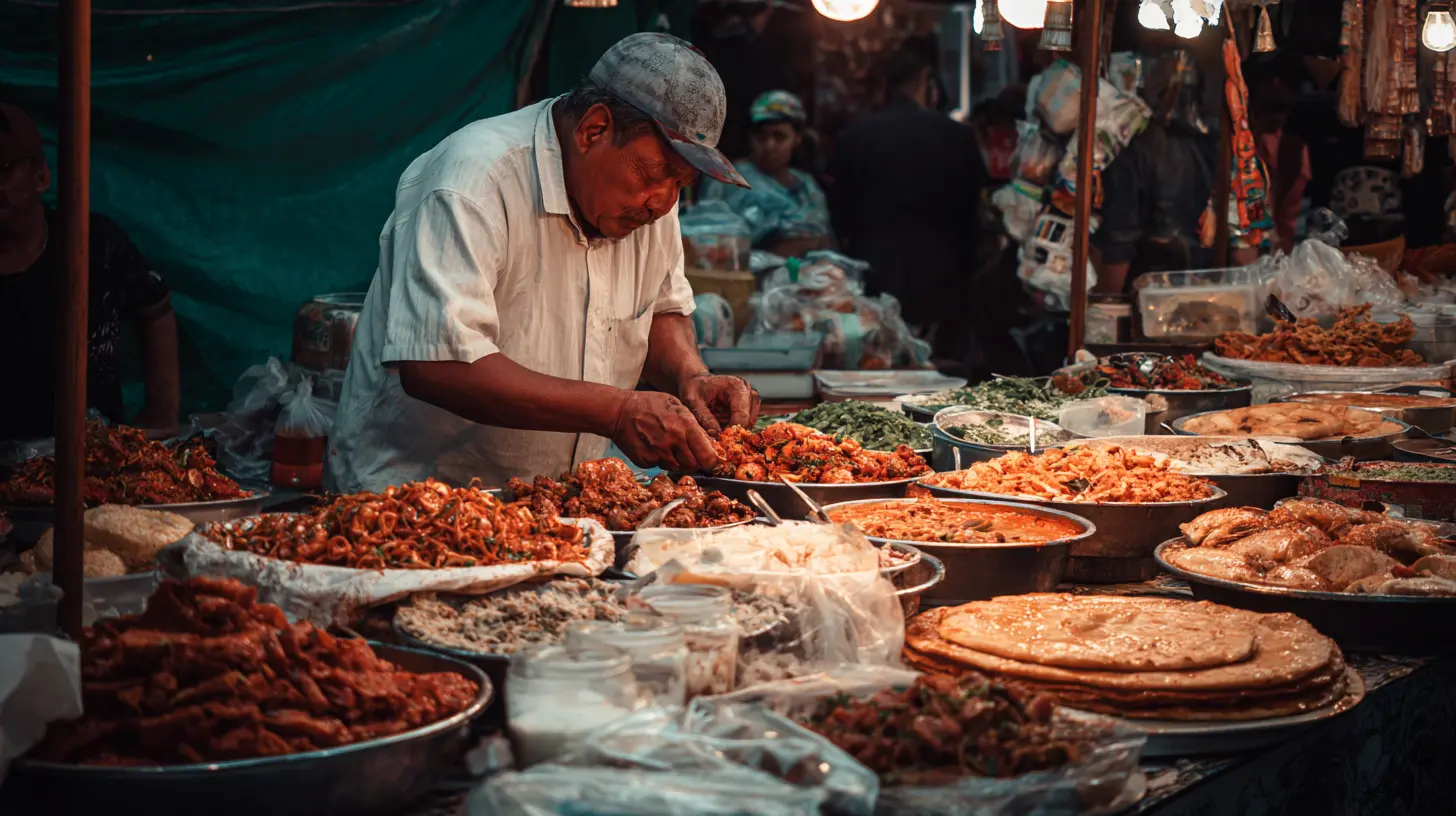
3. Medellin, Colombia: Beyond the Arepa
Everyone knows Colombian arepas. But Medellin? That city is a street food laboratory. It's not just about corn cakes anymore. The city's transformation from a dangerous past to a vibrant, innovative hub means its food scene is equally restless.First, hunt down bandeja paisa in a styrofoam container. Yes, the full plate version is a restaurant thing, but street vendors have miniaturized it. You get a scoop of rice, a piece of grilled steak or chorizo, a fried egg, sweet plantains, a pile of red beans, and a crunchy chicharron (fried pork belly). All in one box. It's a heart attack waiting to happen, but it's the best heart attack you'll ever have.
But the real surprise is oblea. It's a street dessert that looks like a giant wafer cookie sandwich. Vendors spread arequipe (like dulce de leche) between two thin wafers, then add shredded coconut, jam, or cheese. Wait, cheese? Yes. Fresh white cheese. The salty-sweet combo is weirdly addictive. You'll see kids and grandmas alike lining up for it.
Medellin's street food is also incredibly cheap. You can eat like a king for under five dollars. And with the city's growing reputation for nightlife and culture, 2026 is the year to go before the prices catch up.
4. Penang, Malaysia: The Overlooked Sibling
Okay, I know what you're thinking. Penang is already famous for street food. But hear me out. Most tourists flock to George Town for the famous char kway teow or assam laksa. Those are great, but they're also crowded and overpriced. The unexpected part of Penang in 2026 is the northern coast and the smaller night markets that most people skip.Head to the outskirts, like Balik Pulau. Here, the street food is made by families who have been cooking the same recipes for generations. You'll find nasi kandar stalls where you pick from a dozen curries, all simmered in huge pots. The rice is fluffy, the curry is coconut-rich, and the fried chicken is spiced with turmeric and lemongrass. It's nothing like the tourist version.
Also, look for cendol on a hot day. It's shaved ice with green jelly noodles, coconut milk, and palm sugar syrup. Sounds simple, but the balance of sweet and creamy is perfect. The street vendors here use real pandan leaves for the jelly, not artificial flavoring. You can taste the difference.
Why 2026? Because the secret's getting out about Penang's less-hyped areas. Go now, and you'll beat the crowds that are sure to follow.
5. Lima, Peru: The Ceviche Revolution Continues
Lima is no stranger to foodie fame. But the street food scene? That's a different story. Most tourists head straight to the fancy cevicherias in Miraflores. The real action is in the huariques (hole-in-the-wall joints) and the street carts in the less touristy districts.The classic is ceviche from a cart. It's fresh fish "cooked" in lime juice, mixed with red onion, cilantro, and a slice of sweet potato. The vendor hands you a plastic cup with a spoon. You stand on the corner, slurping down the citrusy, spicy broth. It's pure, unadulterated flavor.
But don't miss anticuchos. These are beef heart skewers, marinated in vinegar and aji panca (a Peruvian red pepper), then grilled over coals. The texture is tender, not chewy, and the marinade gives it a deep, smoky sweetness. Vendors serve them with boiled potatoes and a spicy rocoto sauce. It's the ultimate street snack for meat lovers.
And then there's picarones. These are sweet potato and squash doughnuts, deep-fried and drizzled with a chancaca (cane sugar) syrup. They're light, fluffy, and dangerously easy to eat three in a row. In 2026, as Peru's tourism continues to boom, these street-level treasures are still affordable and authentic.
6. Ho Chi Minh City, Vietnam: The Night Market Secrets
Vietnam is a street food giant, but Ho Chi Minh City (Saigon) has a layer of street food that even seasoned travelers miss. It's not about pho or banh mi (though those are classics). It's about the late-night alleys that come alive after midnight.The ốc (snail) stalls are a must. You sit on tiny plastic stools, and the vendor brings you bowls of snails cooked in coconut milk, lemongrass, and chili. You use a toothpick to pull them out, dip them in a salty-sour fish sauce, and wash it down with a cold Saigon beer. It's messy, communal, and absolutely delicious.
Also, look for bánh tráng trộn. This is a street salad made from shredded rice paper, dried shrimp, quail eggs, green mango, and a tangy tamarind dressing. Vendors mix it in a bag with their hands, then dump it onto a plate. It's crunchy, sour, spicy, and savory all at once. Perfect for a quick snack between meals.
Why 2026? The city is expanding its night markets, and new vendors are popping up every week. The competition is fierce, which means the food is getting better and more creative. Don't sleep on Saigon's after-dark eats.
7. Accra, Ghana: The Grill Capital of West Africa
Ghana's capital is a sensory overload in the best way. The street food here is all about fire and smoke. You'll see grills everywhere, from gas stations to street corners, all cooking up some of the most flavorful meat you'll ever taste.The king of Accra street food is waakye. It's a dish of rice and beans, served with a choice of sides: fried plantains, spaghetti (yes, spaghetti), a hard-boiled egg, and a piece of fried fish or meat. The whole thing is drenched in a spicy tomato-pepper sauce called shito. It's a carb-heavy, protein-packed meal that costs less than a dollar.
Then there's kelewele. These are cubes of ripe plantain, deep-fried with ginger, chili, and nutmeg. They're crispy on the outside, soft on the inside, and have a warm, spicy kick. Vendors sell them in paper cones, perfect for walking around.
Accra's street food scene is vibrant, chaotic, and incredibly welcoming. In 2026, as Ghana positions itself as a top African travel destination, the street food will be a major draw. Go for the food, stay for the energy.
8. Belgrade, Serbia: Balkan Comfort on a Bun
Eastern Europe doesn't get enough street food love. But Belgrade is changing that. The city's food scene is a mix of Ottoman, Austro-Hungarian, and Slavic influences, all served from tiny kiosks and carts.The undisputed champion is pljeskavica. Think of it as a Balkan burger, but way better. It's a patty made from a mix of beef, pork, and lamb, seasoned with garlic and paprika, then grilled over charcoal. It's served in a soft flatbread with onions, kajmak (a creamy dairy spread), and ajvar (a roasted red pepper relish). It's juicy, smoky, and messy.
Also, try burek. This is a flaky pastry filled with cheese, meat, or spinach. Vendors sell it by weight, cutting off a slab and wrapping it in paper. It's the ultimate breakfast or late-night snack. The key is to eat it fresh out of the oven, when the layers are still crispy.
Belgrade is affordable, friendly, and full of hidden food gems. In 2026, as more travelers look for offbeat European destinations, this city will be a star.
How to Eat Like a Local in These Cities
A few tips before you go. First, look for the crowds. If a cart or stall has a line of locals, join it. That's your guarantee of quality. Second, be flexible. Street food is about timing. Some vendors only appear at certain hours. Third, carry cash. Small bills. And bring your own napkins and hand sanitizer. It's not fancy, but that's the point.Also, don't be afraid to ask questions. Most vendors are proud of their food and happy to explain what you're eating. A smile and a few words in the local language go a long way.
The Final Bite
Street food in 2026 isn't about chasing Michelin stars or Instagram-worthy plating. It's about the real, unfiltered taste of a place. Tbilisi's cheese boats, Dakar's grilled fish, Medellin's wafers and cheese, Penang's hidden curries, Lima's heart skewers, Saigon's midnight snails, Accra's spicy plantains, and Belgrade's giant burgers. These are the flavors that will stick with you long after the trip ends.So, where are you going first? I'm already packing for Tbilisi. The khachapuri is calling my name.
all images in this post were generated using AI tools
Category:
Street Food ExperiencesAuthor:

Pierre McKinney
Discussion
rate this article
1 comments
Zaren Kelly
If you think street food is just tacos and hot dogs, think again. 2026 is bringing a whole new flavor adventure. Just be ready for some interesting surprises... and maybe a few food comas!
June 5, 2026 at 4:56 PM
Pierre McKinney
Absolutely! Street food is evolving, and I can't wait to see what surprises 2026 has in store. Pack your appetite!