The Forgotten Ruins of Vijayanagara: Karnataka’s Ancient Capital
9 March 2026
Ah, Vijayanagara. Just the name sounds like it belongs in an epic fantasy novel, right? You can almost picture ancient kings on elephants, whispering wind through towering stone temples, and secret tunnels leading to hidden treasures (okay, maybe I’ve seen Indiana Jones too many times). But here’s the thing—Vijayanagara is very real, fantastically historic, and tragically underrated.
Grab your imaginary time machine and your camera—because we’re about to dive into the once-glorious, now somewhat-sleepy ruins of a city that was once bigger than Rome, more prosperous than London, and as rich in culture as any modern capital.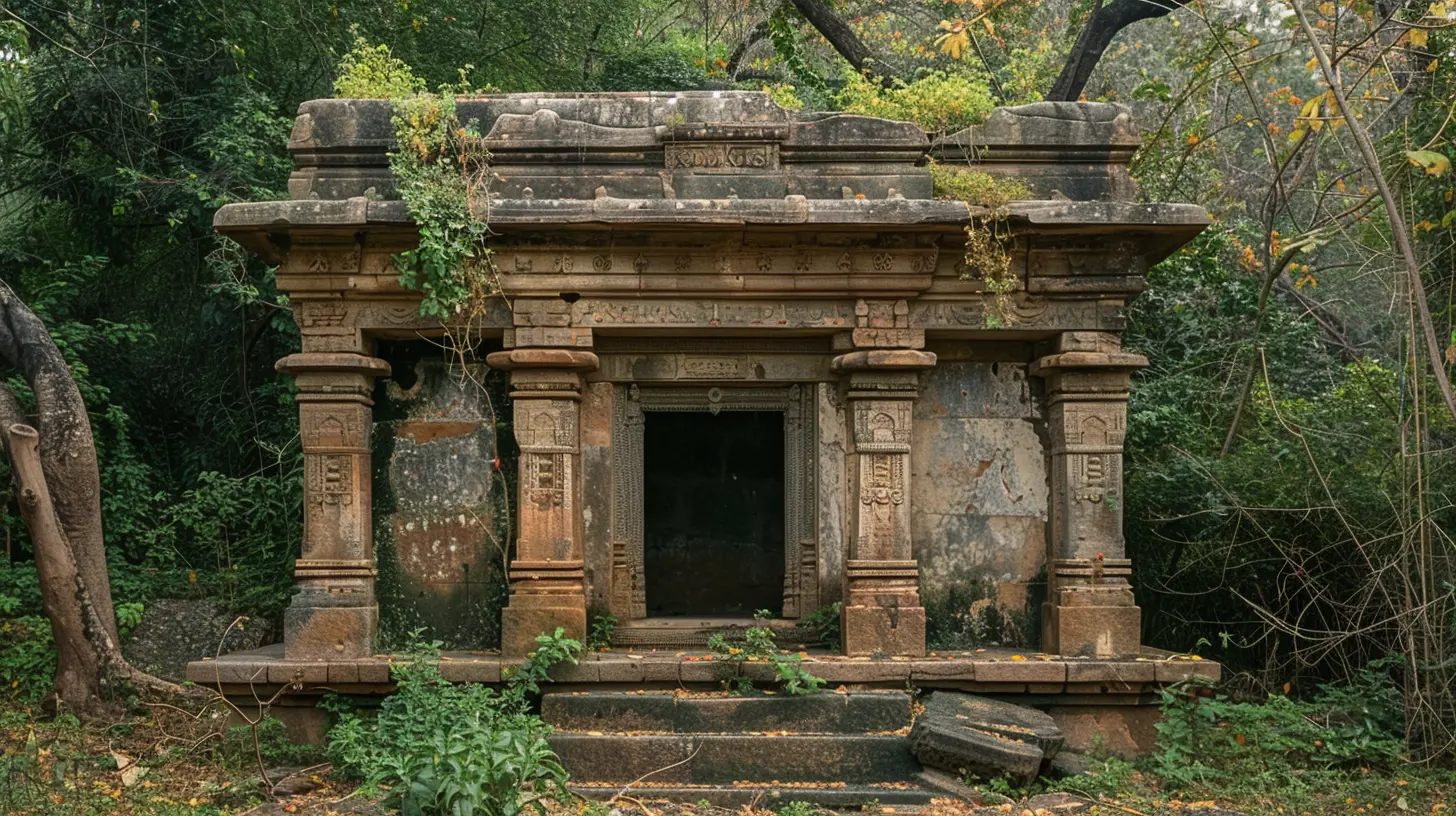
Hampi: The Beating Heart of Vijayanagara
Let’s clear this up first. If you’ve heard of Hampi, you’re already halfway there. Hampi is the present-day village that sits snugly amidst the ruins of Vijayanagara’s astonishing past. Think of Hampi as the hip cousin who still lives in the ancestral mansion—chill with backpackers, coconut sellers, and monkeys who are strangely well-versed in thievery.Back in the 14th to 16th centuries, Vijayanagara was the center of a massive South Indian empire. Think of it as the Las Vegas of the Deccan Plateau—but with fewer Elvis impersonators and more intricately carved stone temples.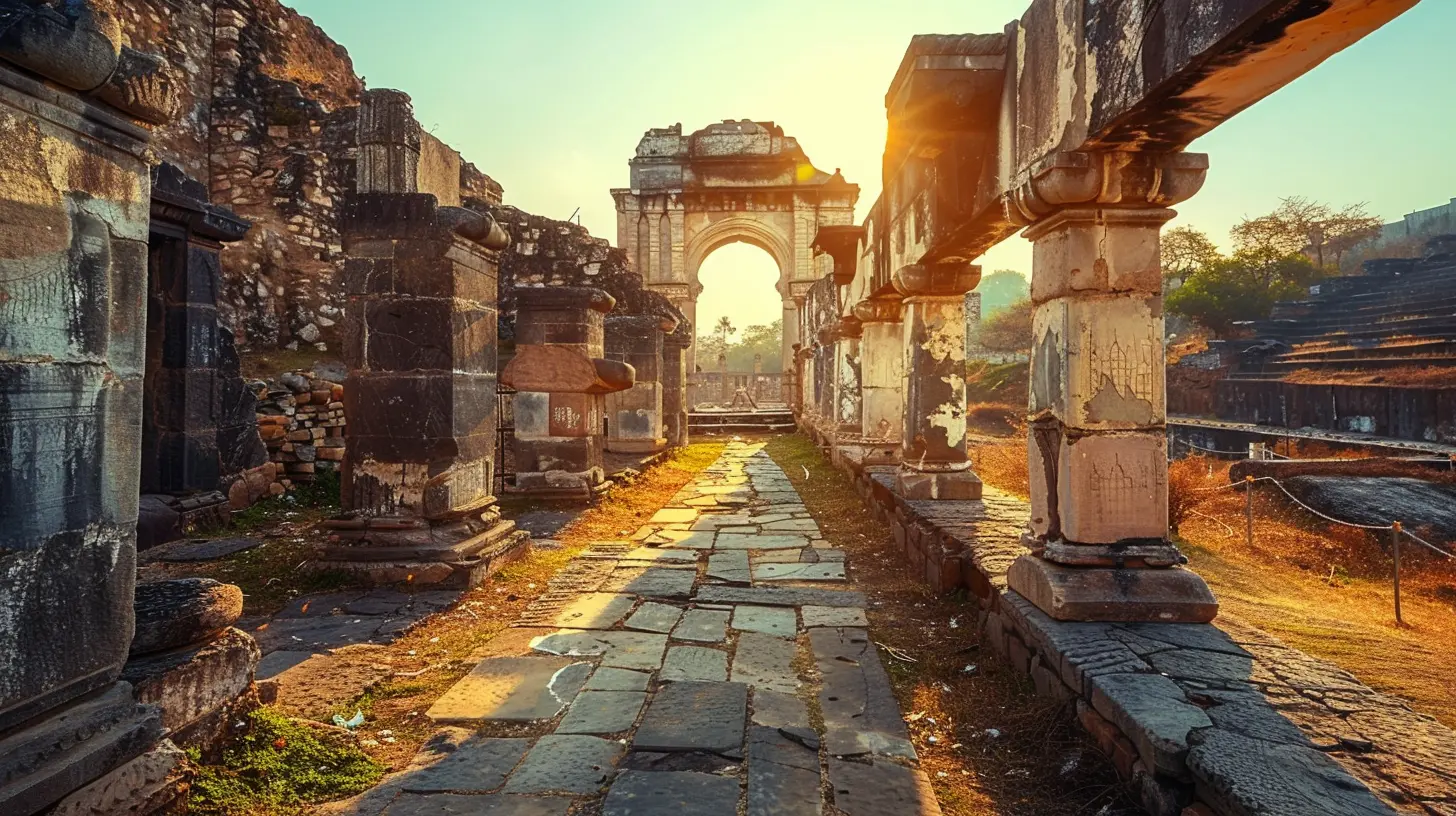
The Rise and Fall of a Glorious Kingdom
Wait, They Were Richer Than Europe?
Yep! Vijayanagara wasn’t just culturally significant—it was a thriving economic powerhouse. With booming trade in diamonds, spices, and textiles, this city attracted merchants from Persia, Portugal, and even China. European travelers of the time described it as "the best city in the world"—and get this—not just once. Multiple wow-ed chroniclers said so.Imagine opulent palaces, lush gardens, bustling bazaars, and a skyline punctuated by ornate gopurams (towering temple gateways). Now imagine it all gone—poof! Not thanks to a dragon or a zombie apocalypse, but thanks to war. After a devastating defeat in 1565 at the Battle of Talikota, the city was ransacked and left in ruins. Literally overnight, Vijayanagara became history.
Cue dramatic music.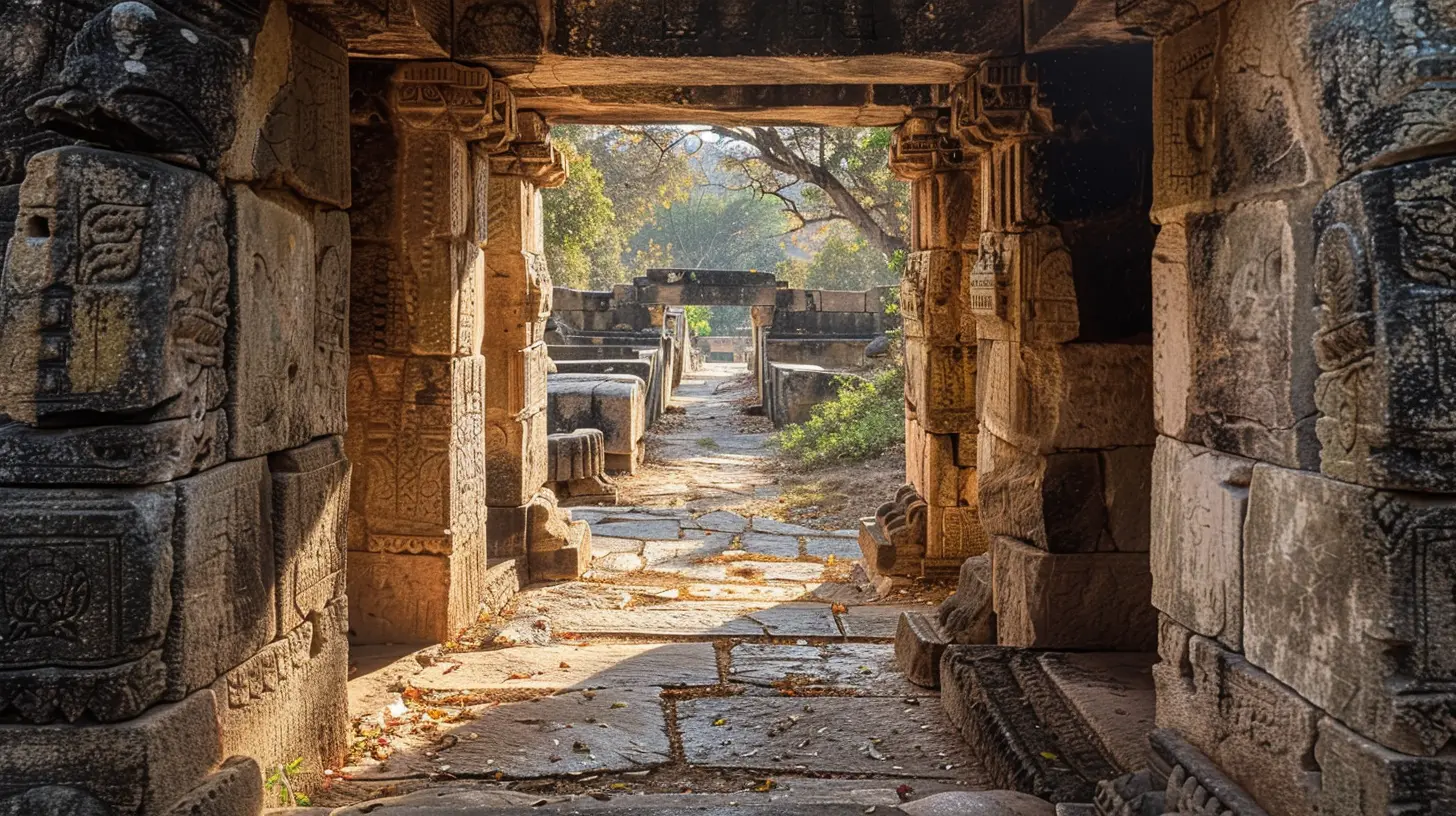
Why Is This Ancient Capital "Forgotten"?
Because it's not on the regular tourist circuit. Unlike the Taj Mahal or Jaipur's forts, Vijayanagara doesn't get the limelight. Maybe it’s because it wasn’t fully rebuilt, or maybe because its stories have been swallowed by time, or perhaps the monkeys have taken control of the PR strategy (just kidding... maybe).But here's the kicker—this place is MASSIVE. We’re talking about more than 25 square kilometers of ruins, including temples, aqueducts, elephant stables (yes, elephant stables), and ancient marketplaces.
So why isn't everyone talking about it? Beats me. But let’s fix that, shall we?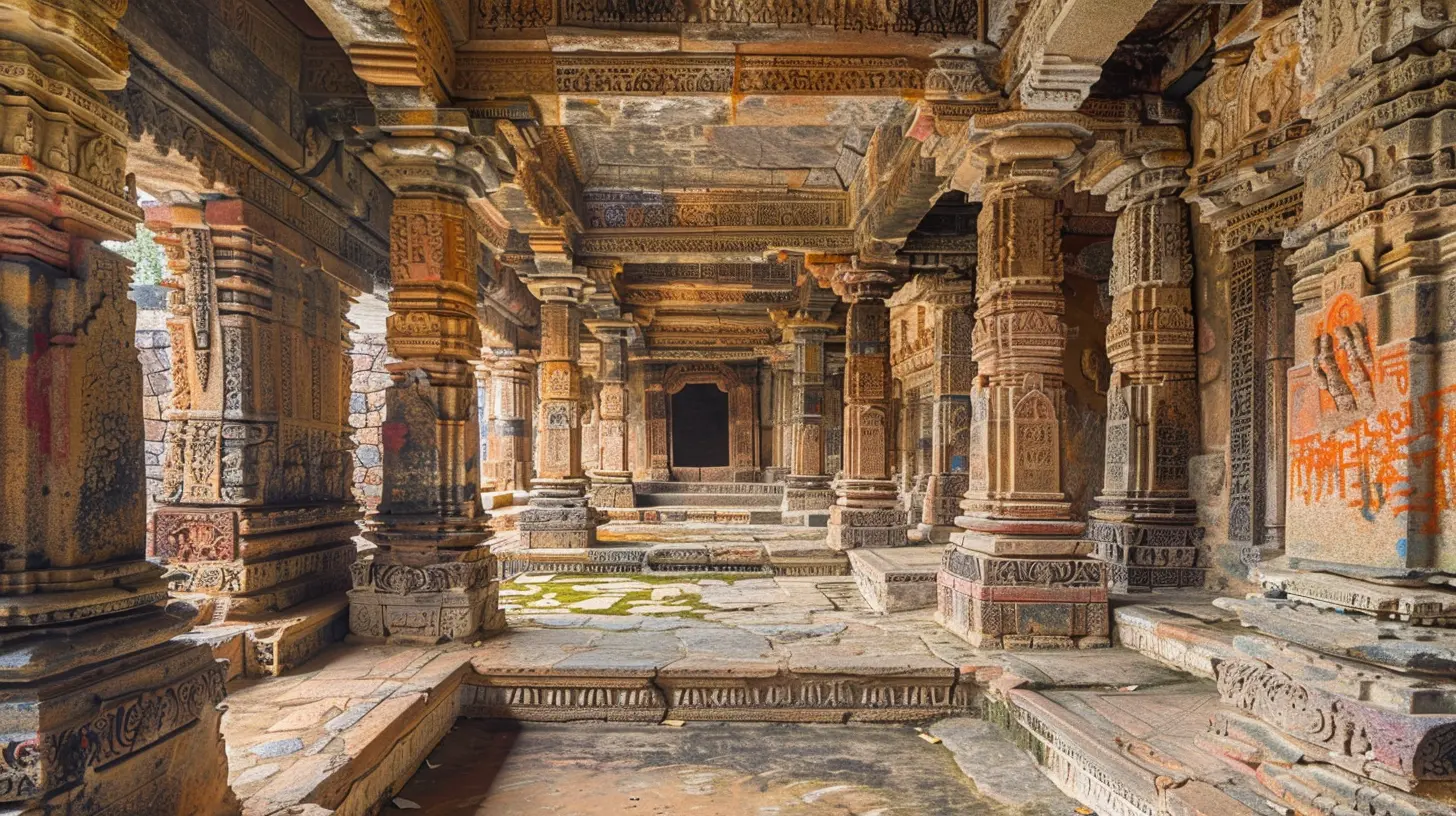
Top Must-See Spots in Vijayanagara (aka Modern-Day Hampi)
1. Virupaksha Temple – Still Rocking It
This temple is a total showoff—and it has every right to be. It’s the oldest functioning temple in India! While the rest of the city may have fallen silent centuries ago, Virupaksha hums with life and the chants of devotees.The architecture is all kinds of jaw-dropping. You’ll find elaborate carvings, majestic gopurams, and even a pinhole camera effect inside (seriously, go ask the priest—it’s mind-blowing).
2. Vittala Temple – Where the Pillars Sing
Okay, they don’t exactly sing Taylor Swift, but the “musical pillars” of this temple actually emit musical notes when tapped. That’s right—centuries before guitars, Vijayanagara had stone symphonies.And don’t miss the Stone Chariot outside—it’s so iconic, it made it onto India’s 50-rupee note. Move over Bitcoin, we’re investing in ancient real estate.
3. Lotus Mahal – Part Palace, Part Origami
This delicately designed two-storey structure looks like it could unfold into an ancient paper swan. It’s a rare blend of Indo-Islamic architecture, with domes, arches, and carvings so elegant that you’ll wonder how they managed such finesse with zero modern tech.Bonus tip: Visit at golden hour for that perfect filter-free Instagram shot.
4. Elephant Stables – Jumbo Luxury Suites
These gigantic domed chambers once housed royal elephants. And let me tell you, these elephants lived fancy. The stables are still intact, with high arched entrances and enough space to make any elephant feel like royalty.5. Queen’s Bath – Who Knew Royalty Bathed in Style?
This isn’t your regular royal tub. The Queen’s Bath is a geometrically perfect, sun-lit pool surrounded by balconies and arched corridors. Clearly, they took “spa day” pretty seriously.Off the Beaten Path: Hidden Gems in Vijayanagara
Feeling adventurous? Here are a few lesser-known gems that deserve your attention:- Achyutaraya Temple: Tucked away in a valley, perfect for those Indiana Jones vibes.
- Matanga Hill: Offers sunrise views that’ll make you reconsider everything you thought you knew about beauty.
- Hampi Bazaar: Ruins of an ancient shopping street lined with columns—kind of like a 15th-century mall, only cooler.
How to Get to Vijayanagara (aka Hampi)
Alright, geography time. Hampi is located in Karnataka, around 350 km from Bangalore. The nearest railway station is Hospet, which is just 13 km away.From there, you can hire an auto or taxi—or if you’re feeling adventurous, rent a scooter and channel those ancient explorer vibes (helmet strongly advised!).
When to Visit for Maximum Magic
Hampi gets hot. Like melt-your-camera hot. So aim for the cooler months, between October and February. That’s when the weather is bearable, and the ruins seem to glow in that perfect golden sunlight.Plus, the Hampi Utsav (festival) usually happens around November. Think music, dance, and lights among ancient stone structures. It’s like Coachella… but with a 14th-century twist.
Tips to Make the Most of Your Ruin Rummaging
- Hydrate like a camel: The sun doesn’t mess around here.- Wear comfy shoes: You’ll walk. A lot.
- Hire a guide or download an audio tour: Knowing the stories behind the stones makes everything 100x cooler.
- Respect the ruins: No climbing the walls or carving your name into ancient pillars. This ain’t your high school bathroom stall.
- Watch out for monkeys: They’ve mastered the fine art of snack theft.
Why Vijayanagara Should Be on Every Traveler’s Bucket List
Let’s get real for a second. In a world full of Instagrammed-to-death tourist spots, Vijayanagara is a breath of fresh, history-laced air. It’s evocative, mysterious, and humbling. You walk among ruins that whisper stories from over 500 years ago. There's no velvet rope or polished floor—just raw, unfiltered history under your feet.It’s the kind of place that makes you pause and wonder—how did something so grand vanish so completely from the public eye?
Spoiler alert: it didn’t vanish. It’s just waiting for you to rediscover it.
Final Thought: Ancient Magic Under Open Skies
Vijayanagara isn’t just a city of ruins. It’s a time capsule. A real-life fantasy land where the stones remember empires. Where every crumbling wall tells a story, and every sunset over the Tungabhadra River feels like a moment borrowed from myth.So next time you feel like time-traveling without the hassle of inventing a flux capacitor—book a trip to Karnataka. The forgotten ruins of Vijayanagara are right there, waiting to blow your mind.
And trust me, they will.
all images in this post were generated using AI tools
Category:
Ancient RuinsAuthor:

Pierre McKinney
Discussion
rate this article
2 comments
Thalia King
The article beautifully captures Vijayanagara's rich history, yet it could delve deeper into the socio-cultural implications of its ruins. Exploring local narratives would enhance the historical context and resonate more with contemporary tourism experiences.
April 8, 2026 at 1:54 AM
Tala Morris
Absolutely breathtaking history here!
March 10, 2026 at 4:55 AM
Pierre McKinney
Thank you! I'm glad you enjoyed exploring Vijayanagara's rich history!