The Most Captivating Archaeological Sites You Shouldn’t Miss
5 March 2026
Have you ever wondered what secrets the Earth holds beneath its surface? From ancient civilizations to lost cities, archaeology is like a giant treasure hunt—except the treasure is history itself. If you've got a case of wanderlust and a love for the past, you're in for a treat!
Pack your bags (and maybe a trowel), because we’re diving into some of the most captivating archaeological sites that will leave you in absolute awe. These places aren’t just piles of old rocks—they’re time machines that transport you back to the glory days of empires, myths, and mysteries.
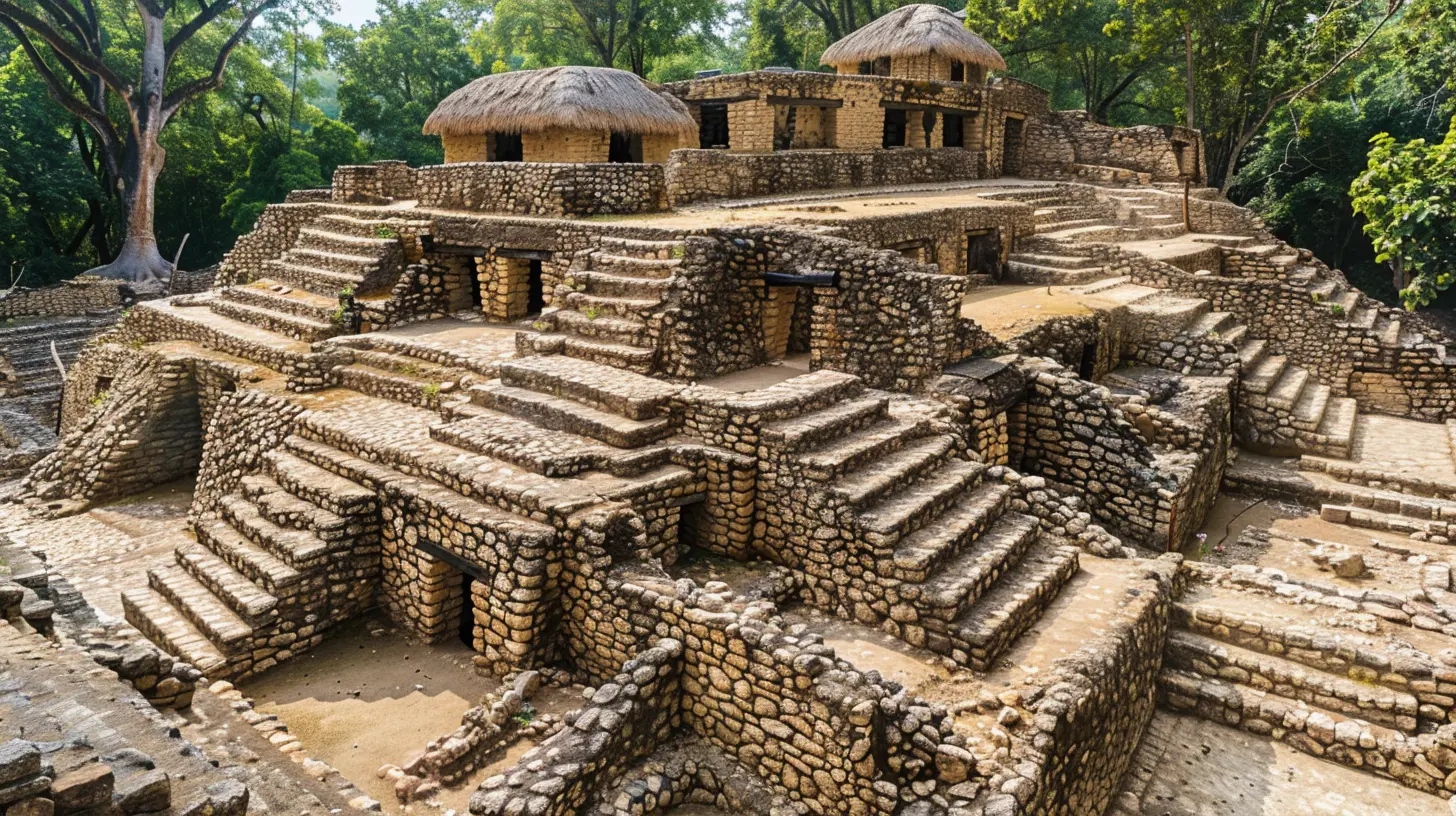
1. Machu Picchu, Peru – The Lost City of the Incas
Perched high in the Andes Mountains like a hidden kingdom in the clouds, Machu Picchu is nothing short of spectacular. This 15th-century marvel, built by the Inca Empire, remained a secret from the outside world until its rediscovery in 1911 by American explorer Hiram Bingham.So, what makes it so special? Well, aside from jaw-dropping views, the architecture is mind-blowing. Massive stones were fitted together so perfectly that not even a blade of grass can slide between them—without cement! How did they do that? Magic? Aliens? Advanced engineering? The debate rages on.
▶ Don’t Miss: The Sun Gate, the Temple of the Sun, and the mind-boggling Intihuatana Stone, thought to be an ancient astronomical clock.
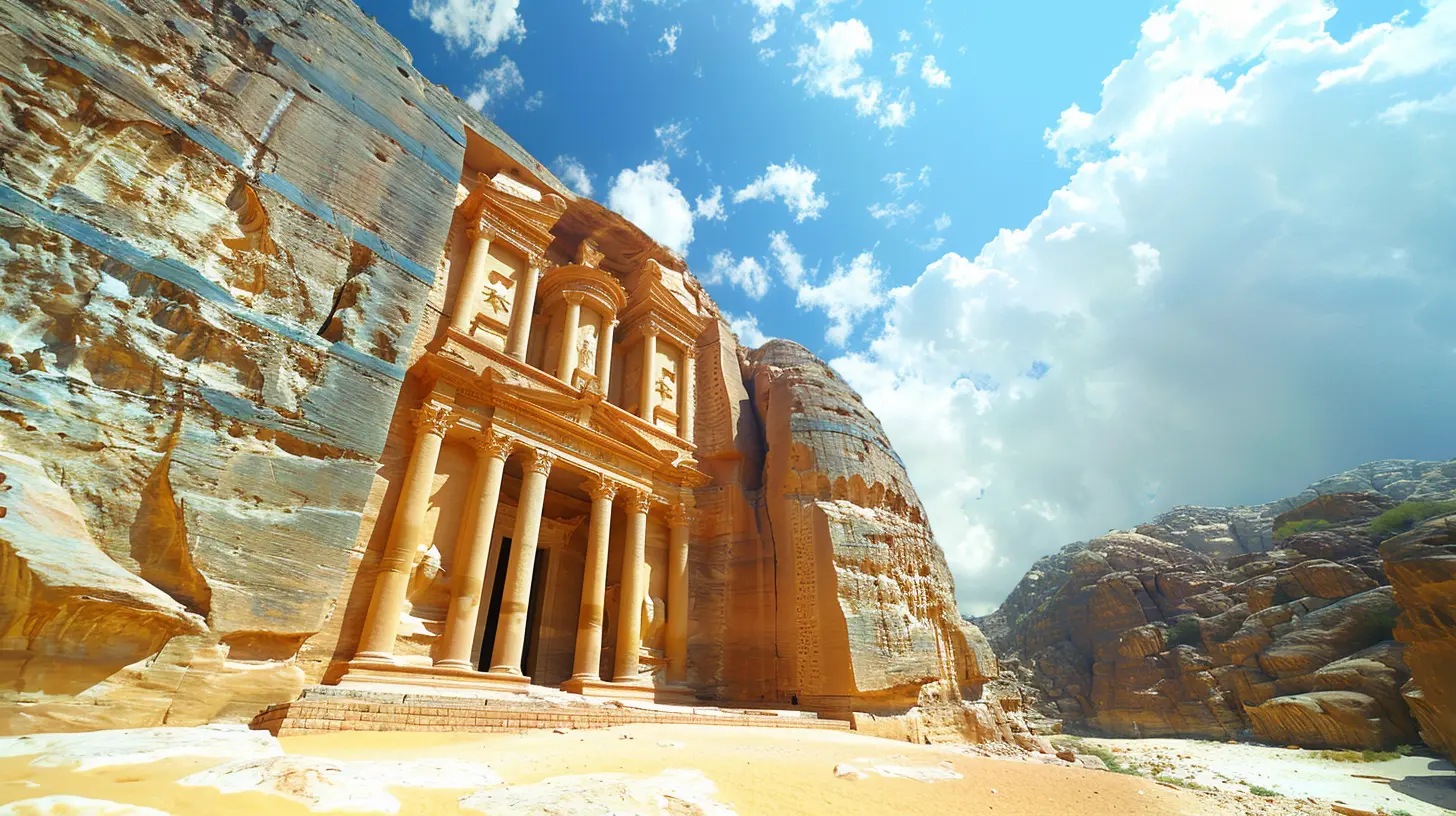
2. Petra, Jordan – The Rose City
Picture this: You’re walking through a narrow, winding canyon (the Siq), and suddenly, BAM! The stunning Al-Khazneh, or Treasury, appears before your eyes, carved directly into pink-hued rock. Sound familiar? If you’ve seen Indiana Jones and the Last Crusade, you know exactly what I'm talking about.Petra was once the bustling capital of the Nabataean Kingdom around the 4th century BCE and an important trading hub. But as empires rose and fell, Petra was abandoned and forgotten—literally buried beneath sand for centuries.
▶ Don’t Miss: The Monastery (Ad Deir), the Royal Tombs, and the hauntingly beautiful Petra by Night, illuminated by thousands of candles.
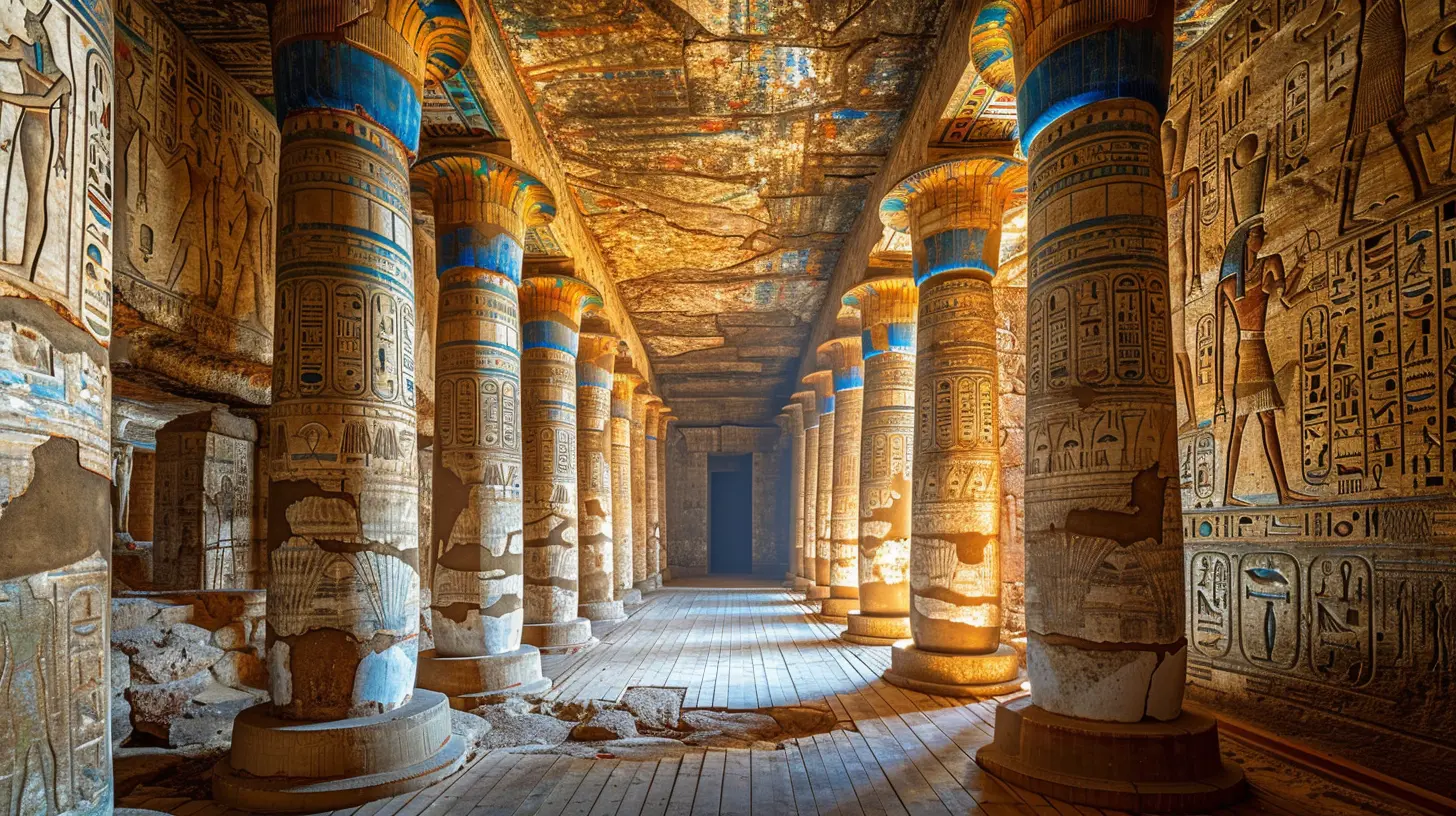
3. The Pyramids of Giza, Egypt – Still a Mystery
You can’t talk about archaeology without mentioning the legendary Pyramids of Giza. These 4,500-year-old structures are the last standing wonder of the original Seven Wonders of the Ancient World. And honestly, they’re still as mind-blowing as ever.Just think about it: The Great Pyramid of Khufu was the tallest human-made structure on Earth for nearly 4,000 years. How they managed to build such a precise structure with just manpower and primitive tools is something that keeps scholars awake at night. Were they built by aliens? Highly skilled engineers? Some combination of both? Who knows!
▶ Don’t Miss: The Sphinx, with its mysterious missing nose, and a chance to actually step inside one of the pyramids if you don’t mind tight spaces.
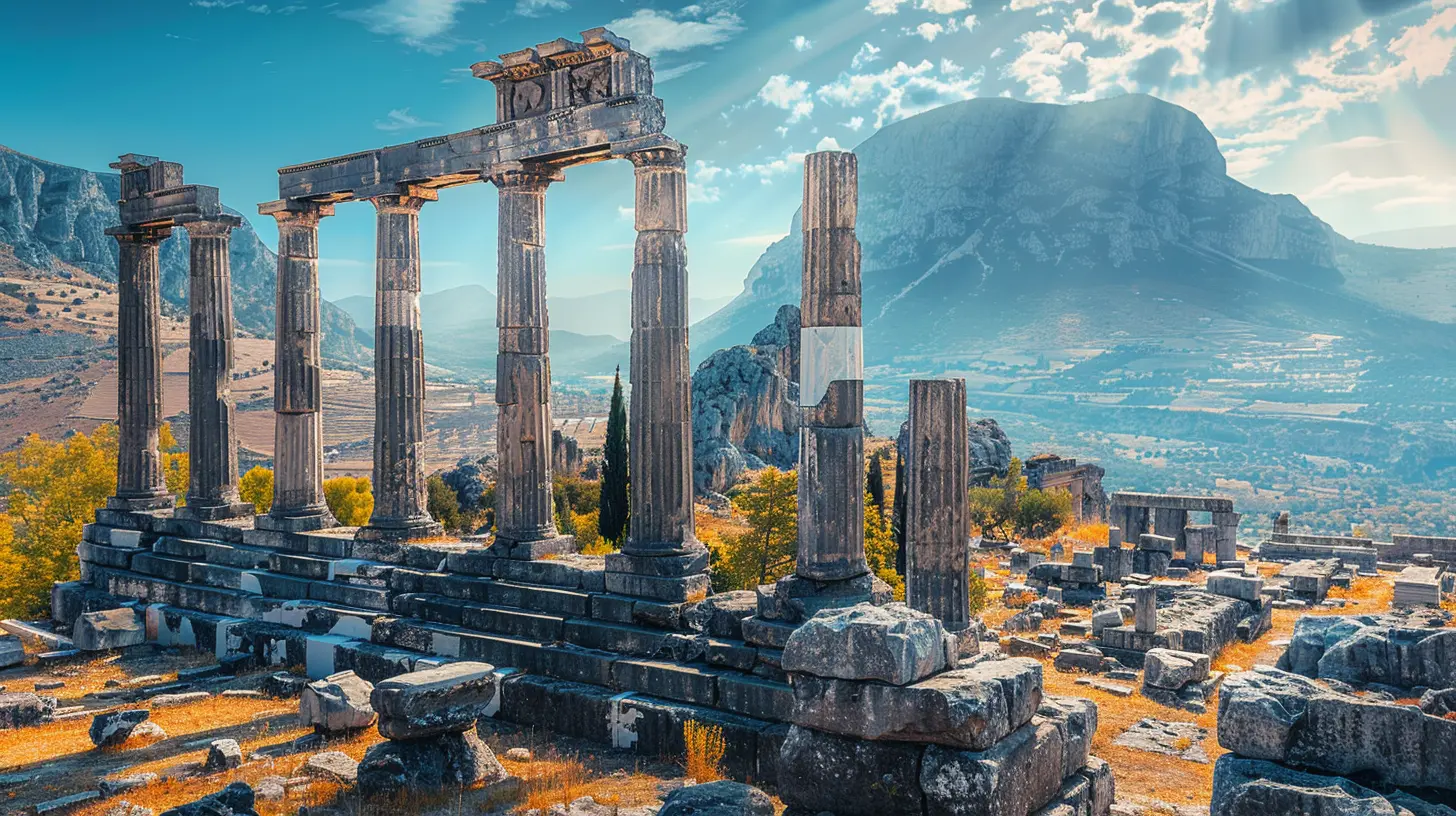
4. Pompeii, Italy – Frozen in Time
Imagine an ancient Roman city where daily life was frozen in place, mid-action—right down to cooking pots still sitting on stoves. That’s Pompeii, a city tragically buried under volcanic ash when Mount Vesuvius erupted in 79 AD.What makes this archaeological site so unique? Unlike many ancient ruins that have crumbled away, Pompeii was preserved. Homes, streets, bathhouses, and even graffiti survived. It’s like walking through a ghost town from another era, eerie yet fascinating.
▶ Don’t Miss: The House of the Vettii, the Forum, and the haunting Plaster Casts of Victims, eerily showing people frozen in their last moments.
5. Angkor Wat, Cambodia – The Largest Religious Monument on Earth
Welcome to Angkor Wat, a temple so massive it has its own moat! Built in the 12th century by the Khmer Empire, this place started as a Hindu temple before transforming into a Buddhist sanctuary. But honestly, whether you're religious or not, this place is pure magic.The intricate carvings that cover its walls tell epic stories of gods, demons, and mythical battles. And if you visit at sunrise, when the temple's reflection shimmers in the moat, it's straight-up dreamlike.
▶ Don’t Miss: The Bayon Temple, famous for its smiling stone faces, and Ta Prohm, the temple swallowed by jungle (yep, the one from Tomb Raider).
6. Chichén Itzá, Mexico – The Maya’s Mysterious Masterpiece
Mexico’s Chichén Itzá is like an encyclopedia of Maya civilization, with temples, pyramids, and even an ancient ball court (which, fun fact, may have cost the losing team their heads—yikes!).The site’s crown jewel is El Castillo, a pyramid that acts as a literal calendar. During the spring and autumn equinoxes, sunlight creates the illusion of a serpent slithering down the staircase. Now, if that’s not engineering wizardry, I don’t know what is!
▶ Don’t Miss: The Great Ball Court, the Cenote of Sacrifice, and, of course, the thrilling equinox light show on El Castillo.
7. Göbekli Tepe, Turkey – The World’s Oldest Temple?
If you thought ancient monuments were limited to Egypt and Mesopotamia, think again! Göbekli Tepe, in modern-day Turkey, is shaking up everything we thought we knew about early civilizations. Dating back around 11,000 years (yes, you read that right!), this site is older than Stonehenge and the pyramids.Archaeologists believe these massive, intricately carved stone pillars were part of a temple or ritual site. But here’s the kicker: It was built before agriculture even existed! So, how did prehistoric hunter-gatherers manage to construct such an advanced site? That’s the million-dollar mystery.
▶ Don’t Miss: The pillar carvings featuring strange humanoid figures and animals—some of the earliest known art in human history.
8. Easter Island, Chile – The Moai Mystery
You’ve probably seen pictures of those giant stone heads (called Moai) gazing out over Easter Island’s landscape. But did you know these statues actually have full bodies buried underground? Yep! And archaeologists still don’t fully understand how they were moved from the quarries to their current locations without modern technology.Legend has it that the native Rapa Nui people used an unknown method, possibly a mix of ropes and manpower, to "walk" these massive statues into place. Can you imagine that sight?
▶ Don’t Miss: Rano Raraku, the quarry where unfinished Moai lie abandoned, and Ahu Tongariki, a dramatic row of 15 restored statues.
Final Thoughts
History is everywhere, but there’s something extra special about standing in the very spots where ancient civilizations once thrived. Whether it’s the towering pyramids of Egypt, the lost city of Petra, or the jaw-dropping temples of Angkor Wat, these places are more than just ruins—they’re stories carved in stone.So, if you’re itching to experience history in the most epic way possible, start planning that bucket-list trip. Who knows? Maybe you’ll uncover a few mysteries of your own.
all images in this post were generated using AI tools
Category:
Historical SitesAuthor:

Pierre McKinney
Discussion
rate this article
2 comments
Xeno Carey
Explore the wonders of history at these must-see sites!
April 9, 2026 at 3:02 AM
Pierre McKinney
Thank you! I hope this inspires readers to discover the incredible stories these sites tell!
Logan Daniels
Great list! Can't wait to explore these sites!
March 5, 2026 at 3:29 PM
Pierre McKinney
Thank you! I hope you have an amazing time exploring them!