The Shimmering Pillars of Luxor’s Temple Complex
3 April 2026
Have you ever felt like stepping into a time machine, landing in a place where gods once walked, and ancient kings left their mark in stone? That’s the exact vibe you get when standing under the towering, sun-drenched columns of Luxor’s Temple Complex in Egypt. It’s not just a temple—it’s an open-air museum, a mystical gateway, and a breathtaking tribute to ancient Egyptian civilization that still dazzles to this day.
In this post, we’re diving deep—like, really deep—into one of Egypt’s most iconic historical sites. If you're even a little bit curious about history, architecture, or simply love the magic of old-world wonders, buckle up. We’re going on a pretty epic journey.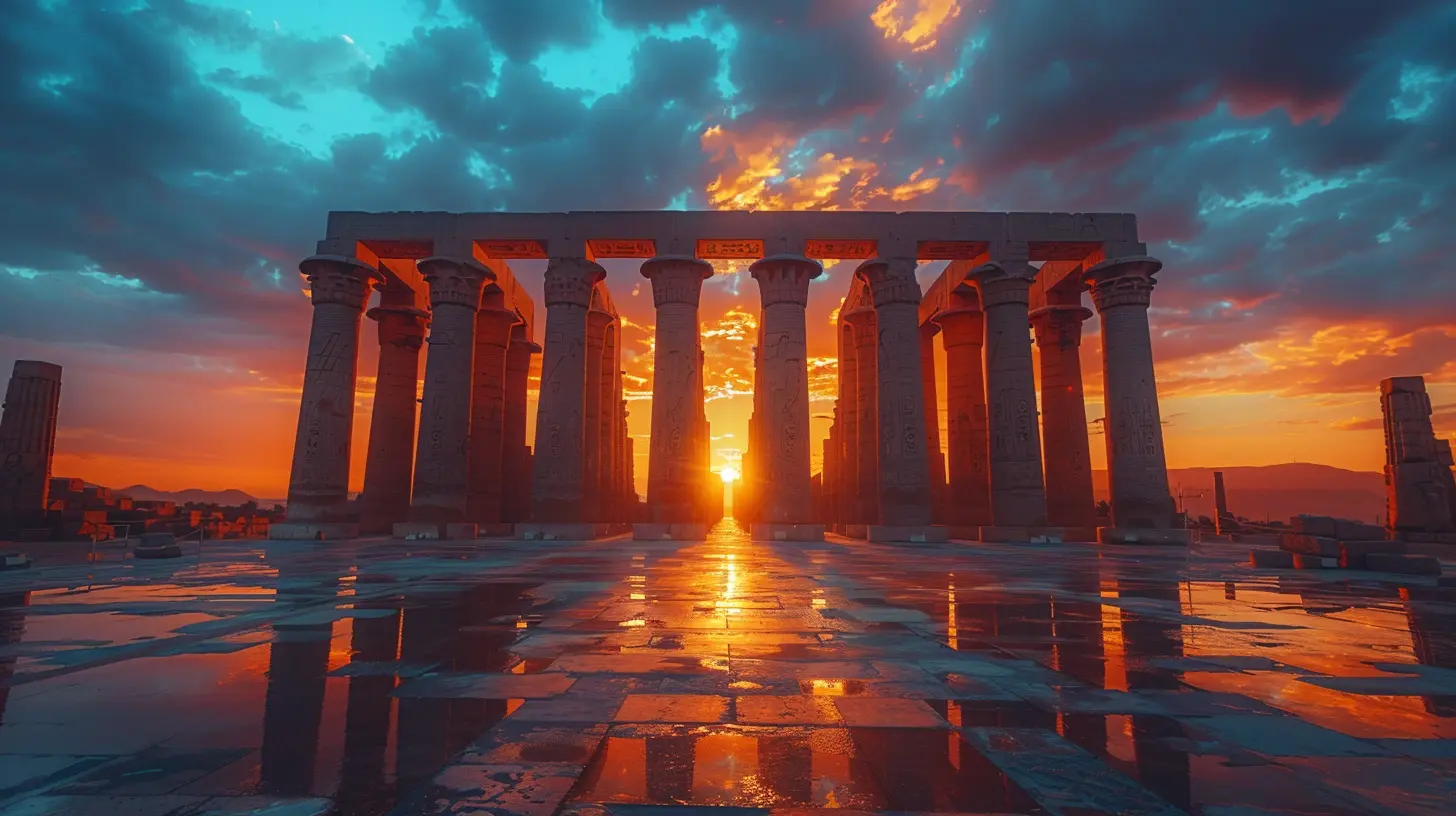
Where Is Luxor’s Temple Complex?
Before we lose ourselves in tales of pharaohs and gods, let’s get our bearings.Luxor is nestled in southern Egypt, right on the east bank of the Nile River. It’s literally built over the ancient city of Thebes—once the capital of Egypt during the New Kingdom. Today, Luxor is often referred to as the "world’s greatest open-air museum," and for good reason.
The Luxor Temple Complex sits pretty much in the heart of the city, making it one of the most accessible and frequently visited sites in Egypt. It’s surrounded by other gems like the Karnak Temple to the north, and the Valley of the Kings just a hop across the river to the west.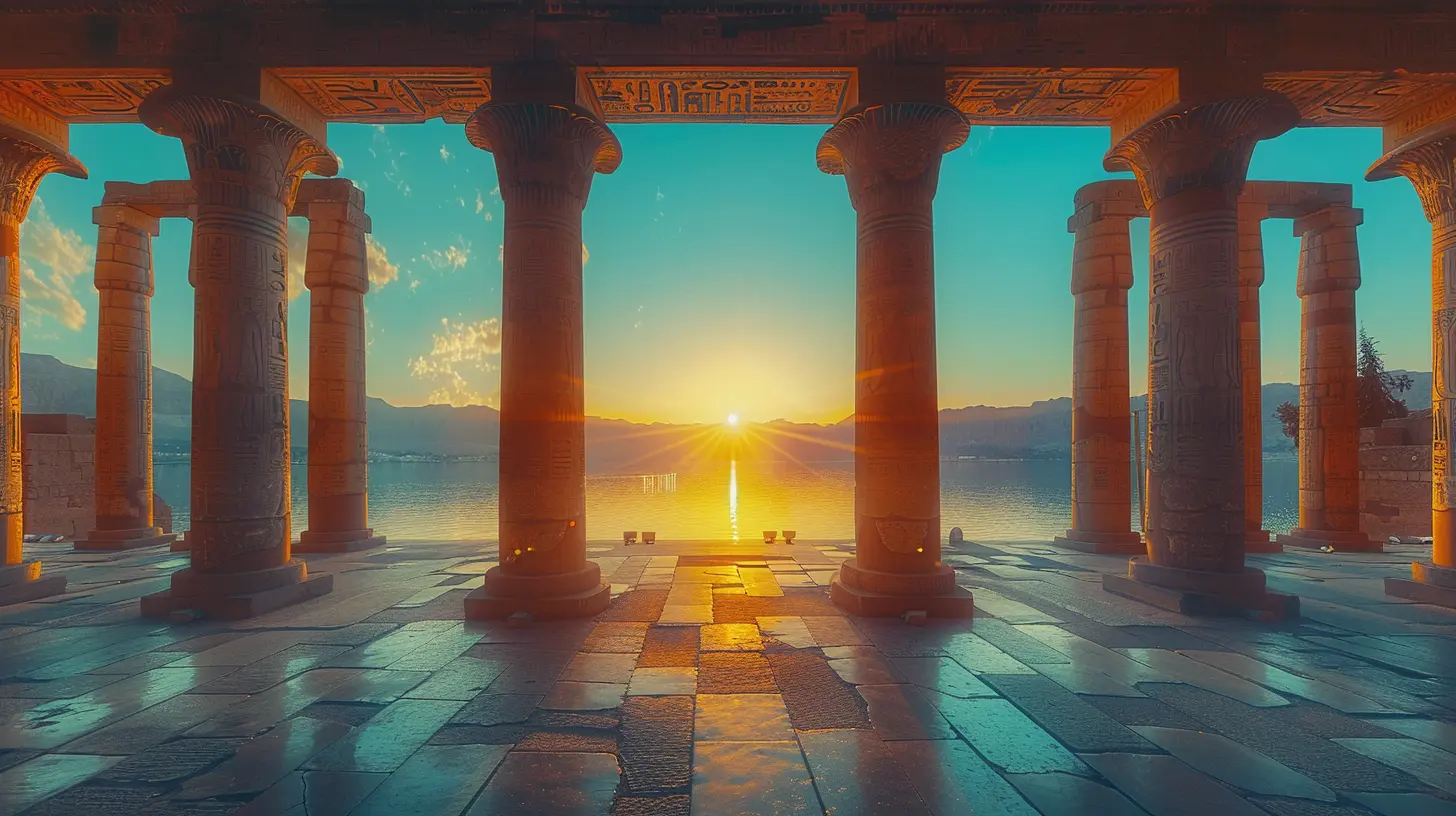
A Brief ‘Back to the Past’: The History of Luxor Temple
If you could crack the stones of Luxor Temple open, they’d probably sing songs of glory, divine rituals, and the whisperings of ancient power.Luxor Temple was mainly built during the reign of Pharaoh Amenhotep III (around 1390–1352 BC), but that’s just the start. It was expanded and modified over the centuries by other famous names like Tutankhamun, Ramses II, and even Alexander the Great (yep, the Macedonian one). That’s right—it’s not just Egyptian history that courses through these pillars but a blend of cultures and timelines.
What makes Luxor Temple unique is that it wasn’t dedicated to a god of the dead, like many others. Instead, it was built in honor of the rejuvenation of kingship. In other words, Luxor Temple is where pharaohs connected with the gods to legitimize their divine right to rule.
Kinda like a spiritual DMV for divine royalty—but way more glamorous.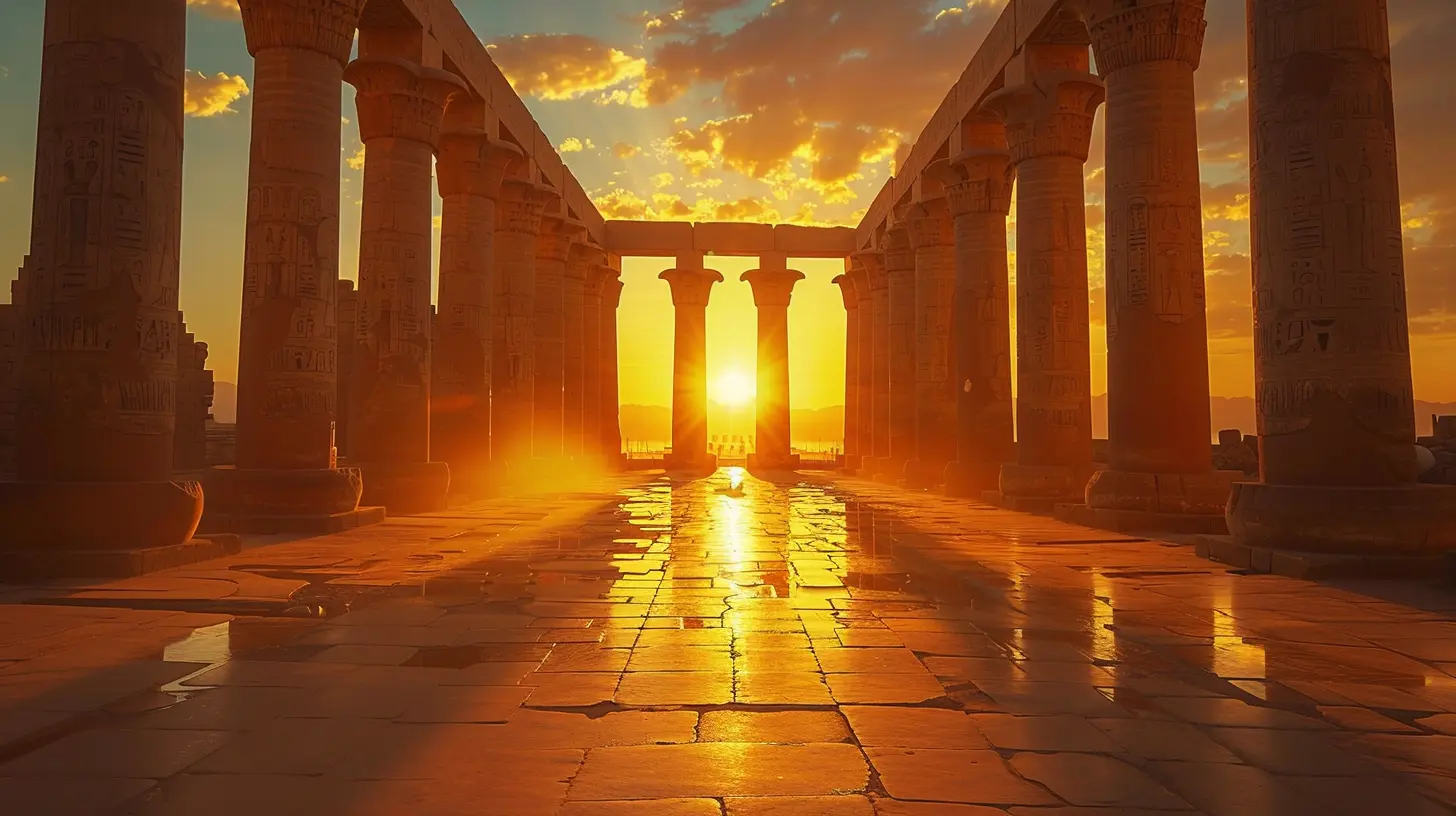
The Glorious Pillars: Why Do They Shine So Bright?
Now, let’s talk about the stars of the show—the shimmering pillars. Seriously, these columns don’t just stand tall; they stand proud.As you walk through the temple, you’re immediately struck by the immense colonnades—rows upon rows of gigantic stone columns reaching out to the heavens. The craftsmanship is jaw-dropping. Each pillar is covered in intricate hieroglyphics, telling stories of gods, battles, rituals, and kings.
So, why do they shimmer?
Well, it’s partly due to the way they were carved, the materials used, and—here’s the kicker—the way light hits them. At sunrise or sunset, the warm Egyptian sun casts a golden glow on the sandstone, making the columns look like they’re glowing from within. It’s like Mother Nature turned on a spotlight just for the temple.
But it’s not just the light. The original paint—yes, these temples were once fully colored—is still faintly visible in some places. Reds, blues, golds... Imagine how much more vibrant these pillars must have looked thousands of years ago. Mind. Blown.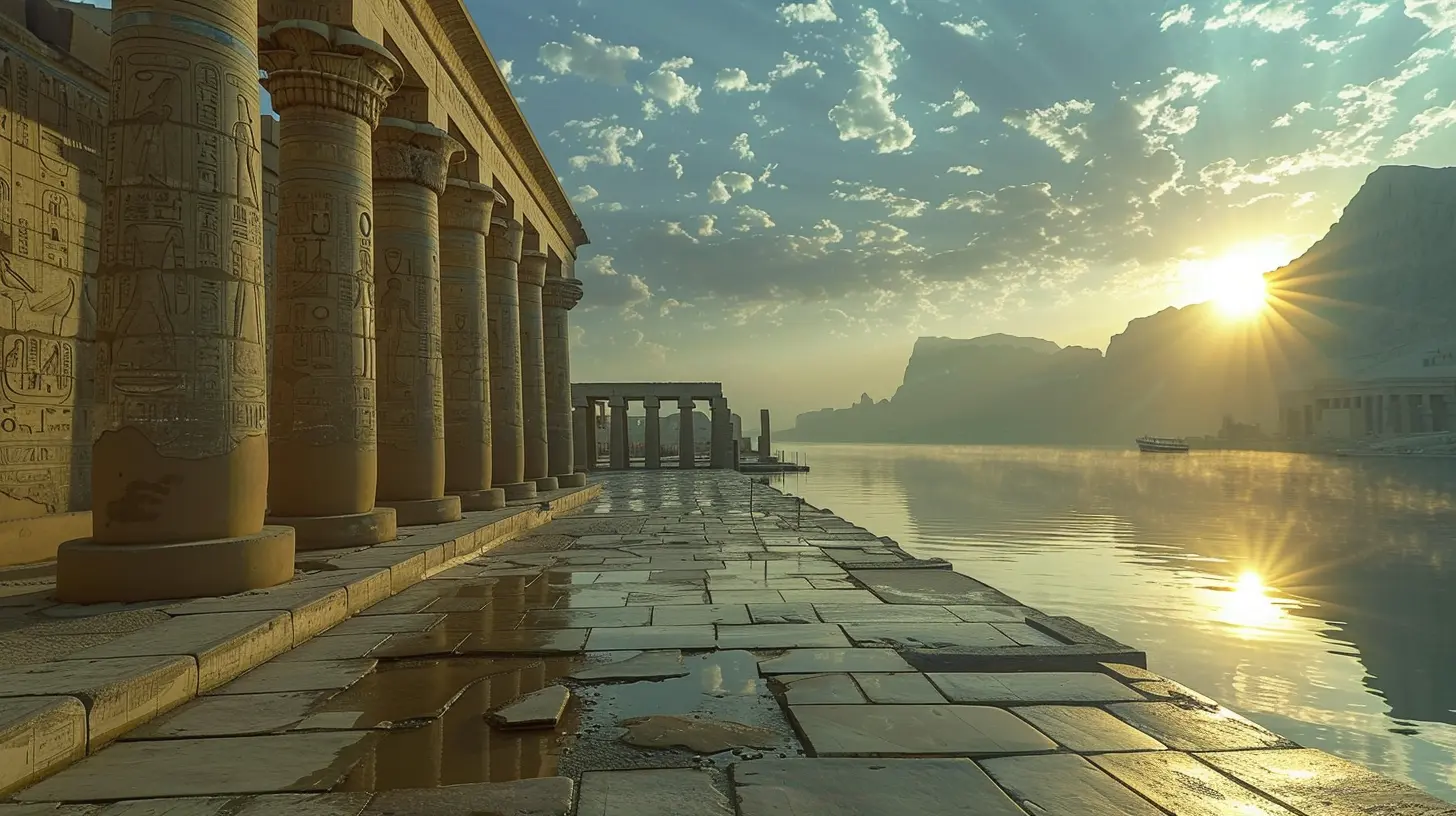
Ramses II: The Rockstar of Luxor
You can’t visit Luxor Temple without noticing a whole lot of Ramses II. This guy left his stamp on everything, and frankly, he makes modern influencers look like amateurs.At the entrance of the temple, you’re greeted by a massive statue of Ramses II (along with what used to be two giant obelisks—only one remains, and the other’s now in Paris at the Place de la Concorde). He wasn’t shy about making his presence known.
Why was Ramses II such a big deal?
He ruled for 66 years, built more monuments than any other pharaoh, and struck a peace treaty with the Hittites—one of the earliest known in history. Not too shabby. In Luxor Temple, his additions included a courtyard, statues, and inscriptions all over the place. If Amenhotep III was the architect, Ramses II was the one who made it world-famous.
What’s Up With the Avenue of Sphinxes?
Okay, so once upon a time, Karnak Temple and Luxor Temple were connected by this incredible 2.7 km stretch called the Avenue of the Sphinxes. And guess what? It’s lined with—no surprise here—hundreds of stone sphinxes.These aren’t just ordinary statues. Some have rams’ heads (symbolizing Amun-Ra), and some have human heads. This whole avenue was used for grand ceremonies, including the annual Opet Festival, when gods were paraded from Karnak to Luxor in a celebration of divine unity and royal legitimacy.
Imagine that scene: priests, musicians, glowing torches, and colorful boats sailing on the Nile. It was like the Macy’s Thanksgiving Day Parade, but with a divine purpose and 3,000-year-old guests of honor.
Today, much of the avenue has been restored and reopened, and walking through it honestly feels like a spiritual journey through time.
The Temple at Night: A Whole New Vibe
Want to make your visit unforgettable? Go at night.After sundown, Luxor Temple is lit up beautifully, and the shadows dance across the pillars like ghosts of the past. It's the kind of place that makes you whisper, even if you're usually the loud tourist. The combination of golden lighting and the stillness of night adds a whole new layer of magic.
Whether you’re into photography or just want a quiet, more personal moment with history, nighttime is the way to go. Trust me—Luxor Temple under the stars feels like walking through the dreams of ancient gods.
Hidden Gems Inside the Temple
Sure, the pillars and statues are the big-ticket items, but don’t overlook the little details. Here are a few hidden treasures you might miss if you’re not looking closely:1. The Roman Frescoes
Yes, you read that right. Tucked away in one corner of the temple is a room that was later converted into a Roman chapel. You can still see faded frescoes of Christian saints layered over the much older Egyptian carvings. It’s like a history sandwich.2. The Mosque of Abu Haggag
Built literally on top of the temple ruins, this mosque is still in use today. It’s fascinating to see how different religions and time periods overlap in one physical space. Plus, it’s a symbol of how important this site remained throughout thousands of years.3. The Engravings of Tutankhamun
Yes, the boy king himself. Some of his inscriptions are still visible here, undisturbed by the centuries of later additions. It’s a rare chance to see touches from one of history’s most famous pharaohs.Tips for Visiting Luxor Temple Like a Pro
Let’s get practical for a sec. If you’re planning on visiting (and you absolutely should), here are a few quick tips:- Best Time to Visit: Early morning or late afternoon for fewer crowds and better lighting. But if you can swing a night visit, do it.
- Bring Water: It gets hot. Like, desert hot.
- Hire a Guide: The stories make the stones come alive, and a good guide can turn a pile of rocks into living history.
- Tickets: Entry is usually affordable, and combo tickets with nearby sites are often available.
- Photography: Bring your camera, but be respectful. No flash on ancient paint, please!
Final Thoughts: Why Luxor Temple Is More Than Just Stones
So here’s the thing: Luxor Temple isn’t just a collection of ancient rocks. It’s a living, breathing monument to human creativity, spirituality, and resilience. It’s where ancient Egyptians came to feel close to their gods, where pharaohs claimed divine right, and where centuries of history still talk to those who are willing to listen.Standing beneath its pillars, you don’t just feel small—you feel connected. To history. To mystery. And maybe, just maybe, to something divine.
Whether you’re a history buff, a spiritual seeker, or just someone who likes epic selfies, Luxor Temple delivers. So next time you're itching for an adventure that touches both the heart and the imagination, remember those shimmering pillars in the heart of Egypt.
They’re not just holding up stone—they're holding up the past.
all images in this post were generated using AI tools
Category:
Ancient RuinsAuthor:

Pierre McKinney
Discussion
rate this article
2 comments
Holly Malone
Standing beneath Luxor’s shimmering pillars, you feel time dissolve. Let ancient sandstone and eternal starlight remind you that some wonders simply refuse to fade.
April 30, 2026 at 3:54 AM
Pierre McKinney
I love how you captured the timeless magic of Luxor. It truly feels like stepping into history. Thank you for sharing your thoughts!
Zevros McMeekin
Stunning architecture, rich history, must-visit!
April 6, 2026 at 4:21 AM
Pierre McKinney
Thank you! I'm glad you enjoyed the article. Luxor's Temple Complex truly is a marvel of history and design!