Time-Travel Through Stone: Famous Walls and Boundaries of Antiquity
8 February 2026
Have you ever looked at a crumbling wall and wondered what stories it could tell? Imagine if those ancient stones were like pages in a history book—each chip and crack revealing secrets of the past.
Today, let’s strap on our imaginary boots and take a time-traveling journey—no DeLorean required—through some of the most iconic ancient walls and boundaries that once shaped civilizations. These stone marvels weren’t just built to keep people in or out. They witnessed wars, peace treaties, love stories, secret trades, and everything in between.
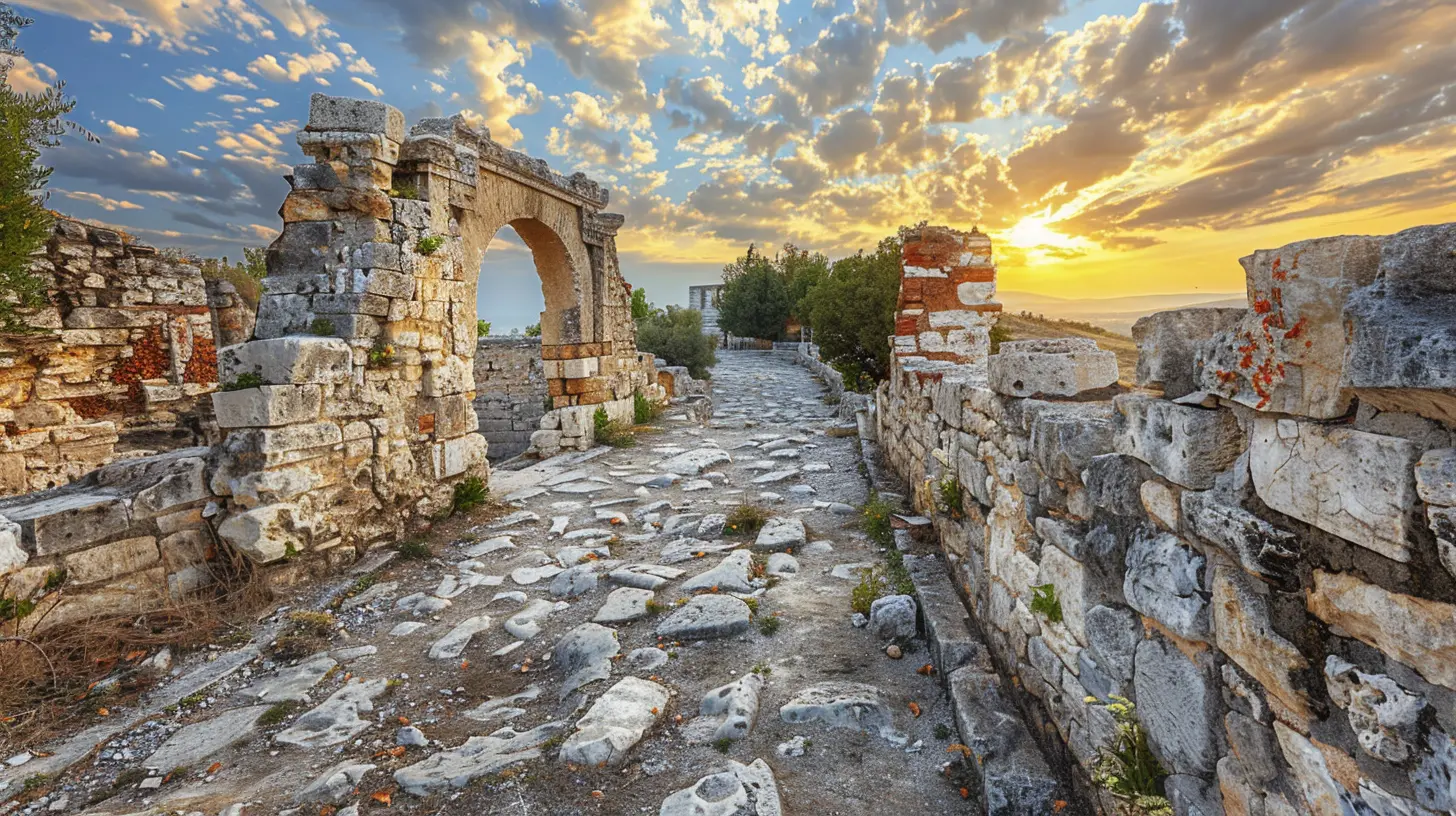
Why Walls? The Human Fascination with Boundaries
From the dawn of civilization, mankind has built walls—not just for protection, but for identity. A wall isn’t just a physical divide; it’s a marker of territory, culture, and intention. Imagine putting up a fence in your backyard. It says, "This is mine." Now apply that logic to a kingdom or empire. Voilà!Walls served multiple purposes: protection, political statements, trade control, and even spiritual significance. So when we talk about ancient walls, we’re not just walking past stones; we’re stepping into the very pulse of old-world power and pride.
1. The Great Wall of China: The Giant Serpent of the Earth
You can’t talk about ancient walls without the Great Wall of China stealing the spotlight.A Wall So Big You Can Feel It From Space
Okay, maybe not literally see it from space, but the Great Wall is hands-down the heavyweight champion of ancient barriers. Stretching over 13,000 miles, it's like the Amazon of walls—massive, mysterious, and awe-inspiring.Started in the 7th century BC and modified by various dynasties, particularly the Ming Dynasty, this wall was more than defense against invaders. It was a showcase of imperial might and coordination.
More Than Just a Wall
If you think it's just a glorified fence, think again. It had watchtowers, beacons, gates, and fortresses. Soldiers lived and died there. Traders passed through. Cultures clashed and merged at its very base. It’s basically a living, breathing relic of China’s dramatic history.
2. Hadrian’s Wall: Rome’s Message to the Barbarians
Now let’s hop across to Northern England, where the Romans stamped their authority with Hadrian’s Wall.A Frontier, Not Just a Fortress
Built around 122 AD during Emperor Hadrian’s reign, this wall wasn't just about keeping the “barbarians” out. It was Rome's way of saying, "This is how far our power stretches."Spanning 73 miles, from the Irish Sea to the North Sea, Hadrian’s Wall included fortresses, milecastles, and observation posts. It functioned more like a border control station than an impenetrable barrier—kind of like ancient immigration.
A Testament to Roman Engineering
Walk along its remnants today and you can feel the genius of Roman architecture. They didn’t just throw stones together. Every brick, every post, had purpose and precision. It's basically the Roman version of high-tech infrastructure.
3. The Berlin Wall: A Modern Echo of Ancient Divides
Okay, not strictly “antique” in the traditional sense, but the Berlin Wall deserves a seat at this stone table because it echoes ancient motives in a modern setting.East Meets West (And Didn't Like It)
Built in 1961, the Berlin Wall wasn’t about defending from invaders; it was about keeping citizens in. Split by ideology, the wall divided a city, a country, and arguably a world. The Cold War’s most chilling symbol, it served as a stark reminder of how walls can imprison as much as they protect.When the Walls Came Down
In 1989, when people started chipping away at the barrier with literal hammers and chisels, it was a global celebration. The Berlin Wall fell, but its story still stands strong. A powerful example that even modern walls carry ancient echoes.4. The Walls of Babylon: Where Myth Meets Mortar
Let’s turn back the clock to ancient Mesopotamia. You may remember Babylon from your high school history class or tales of the Hanging Gardens. But its walls? Oh, they were something out of a fantasy novel.The Impenetrable Fortress
Stretching for miles, with walls possibly reaching up to 300 feet high (yes, taller than some skyscrapers!), Babylon’s defenses were legendary. Surrounded by a moat and shielded by layers, it was the ultimate fortress of its time.According to Herodotus—though he tended to exaggerate—chariots could race on top of the walls. Whether true or not, the mere possibility shows how grand these structures must’ve been.
The Ishtar Gate: Babylon’s Crown Jewel
Built around 575 BC under Nebuchadnezzar II, the Ishtar Gate was more than an entrance; it was a masterpiece. Made with glazed bricks, decorated with images of lions and dragons, it wasn’t just a wall—it was ancient art screaming, “We’re powerful AND classy!”
5. The Walls of Constantinople: The Last Shield of the Byzantine Empire
If you're into epic sieges and city defenses that held out for centuries, then the Theodosian Walls of Constantinople should be on your radar.Triple Threat
Built in the 5th century under Emperor Theodosius II, these walls had three layers: a moat, outer wall, and inner wall. It was the medieval version of a triple-locked door with a security system. These fortifications held strong against countless invasions until the city finally fell in 1453 to the Ottomans.The End of an Era
When the Ottomans broke through, it wasn’t just a victory; it marked the end of the Byzantine Empire and the beginning of a new chapter in European and Middle Eastern history. These walls quite literally witnessed the closing of one historical book and the opening of another.6. The Walls of Jericho: Where Archaeology Meets the Bible
Let’s get even older—like, "grab your sandals and clay tablets" old.The Oldest Known Walled City
Jericho, located in modern-day Palestine, is often cited as having the oldest known city walls, dating back to around 8000 BC. These walls are ancient even by ancient standards.A Blend of Fact and Faith
You’ve probably heard the biblical story: Joshua and his army bringing down Jericho’s walls with trumpets and shouting. While the story is debated, the walls themselves are very real—and very old. For historians and believers alike, Jericho stands as a fascinating intersection of faith, fact, and folklore.
7. The Sacsayhuamán Walls: Inca Ingenuity in Cusco
Head south to Peru and meet the walls that defy logic.Built Without Mortar—And Still Standing
These Inca walls, forming part of the massive fortress of Sacsayhuamán, are made of giant stone blocks so perfectly cut and fitted together that not even a blade of grass can slip between them. No mortar. Just mind-blowing precision.Earthquakes? No Problem
These walls have survived numerous earthquakes that destroyed modern concrete buildings nearby. Talk about ancient engineering outsmarting modern designs. It's like Stone Age LEGO built by master architects.Why Visit These Ancient Walls?
Great question. Because they’re more than just old rocks. They’re storytellers, sentinels of history, and windows into the soul of civilizations gone by.Walking beside them gives you goosebumps. It’s like shaking hands with the past—a tactile, tangible kind of time travel that no podcast, textbook, or documentary can offer.
Plus, they make for epic Instagram backdrops. Just saying.
Tips for Your Wall-Hopping Adventure
- Respect the site. These walls have been around longer than most countries. Don’t climb, carve, or mess with them.- Hire a local guide. Trust me, hearing the stories while standing on ancient ground? Priceless.
- Pack comfy shoes. Many of these sites are spread out and hilly. Your feet will thank you.
- Go during off-peak seasons. You’ll dodge crowds and get better photos.
Final Thoughts: Stones That Speak
Walls have always fascinated us. Whether for power, pride, or protection, they’re more than just barriers—they’re reflections of the people who built them.So next time you’re near an ancient wall, pause. Put your hand on the stone. Close your eyes. And listen. You might just hear a whisper from the past.
all images in this post were generated using AI tools
Category:
Historical SitesAuthor:

Pierre McKinney
Discussion
rate this article
2 comments
Margaret McLaughlin
What a fascinating exploration of history! The insights on ancient walls and boundaries truly highlight their significance in shaping civilizations. Thank you for sharing such compelling stories of our past!
March 5, 2026 at 3:29 PM
Pierre McKinney
Thank you for your kind words! I'm glad you enjoyed the exploration of these historical boundaries and their impact on civilizations.
Solaria Oliver
Step beyond the present! Explore these ancient walls and boundaries, where every stone whispers stories of time, culture, and resilience!
February 8, 2026 at 3:48 PM
Pierre McKinney
Thank you! I'm excited to share the rich histories and tales that these ancient walls hold, inviting readers to journey through time and connect with our shared past.