Why Street Food Will Be the Heart of Travel in 2027
12 May 2026
Let me ask you something. When you think back on your best travel memories, what do you really see? Is it the postcard-perfect view from a hotel balcony? Or is it the steam rising from a metal pot on a dusty corner, the sound of a language you don't understand, and the first bite of something so good it makes your eyes close?
I bet it's the second one.
Travel is changing. The glossy, curated version of tourism is starting to feel tired. People are tired of eating in restaurants that look the same from Tokyo to Toronto. They are tired of menus translated into five languages and dishes that taste like they were designed in a boardroom. By 2027, I believe we will see a massive shift back to the raw, real, and messy heart of a place. And that heart beats loudest in the street food stall.
We are moving past the era of "Instagrammable" food. We are entering the era of "I need to taste that again" food. Street food is not just a cheap meal. It is the living archive of a culture. It is the story of a city told in smoke, spice, and sizzle.
The Death of the Sterile Dining Room
Think about the last time you walked into a chain restaurant in a foreign country. The air conditioning is too cold. The waiter hands you a tablet to order. The music is a generic pop playlist from three years ago. It feels safe. But safe is the enemy of memory.By 2027, travelers will actively avoid this kind of sterile comfort. We have spent the last decade drowning in "experiences" that are actually just transactions. We paid for a cooking class, we took a picture, we left. But street food offers something different. It offers proximity.
When you eat on the street, you are not a spectator. You are a participant. You are standing next to a lawyer who stopped for lunch, a grandmother who has been making the same dumplings for forty years, and a group of teenagers skipping school. You are in the flow of the city. You are not looking at the city from a window. You are inside the city.
This intimacy is addictive. Once you taste the difference between a noodle that was made with love on a cart and a noodle that was frozen in a factory, you cannot go back. The sterile dining room will feel like a museum. The street will feel like home.
The Flavor of Authenticity in a Fake World
We live in a time of deep fakes, AI-generated art, and airbrushed reality. Everything feels manufactured. The food industry is no different. You can buy "artisan" bread in a gas station. You can get "authentic" tacos from a food truck that sources its tortillas from a warehouse.But the human palate is not stupid. It knows when something is real.
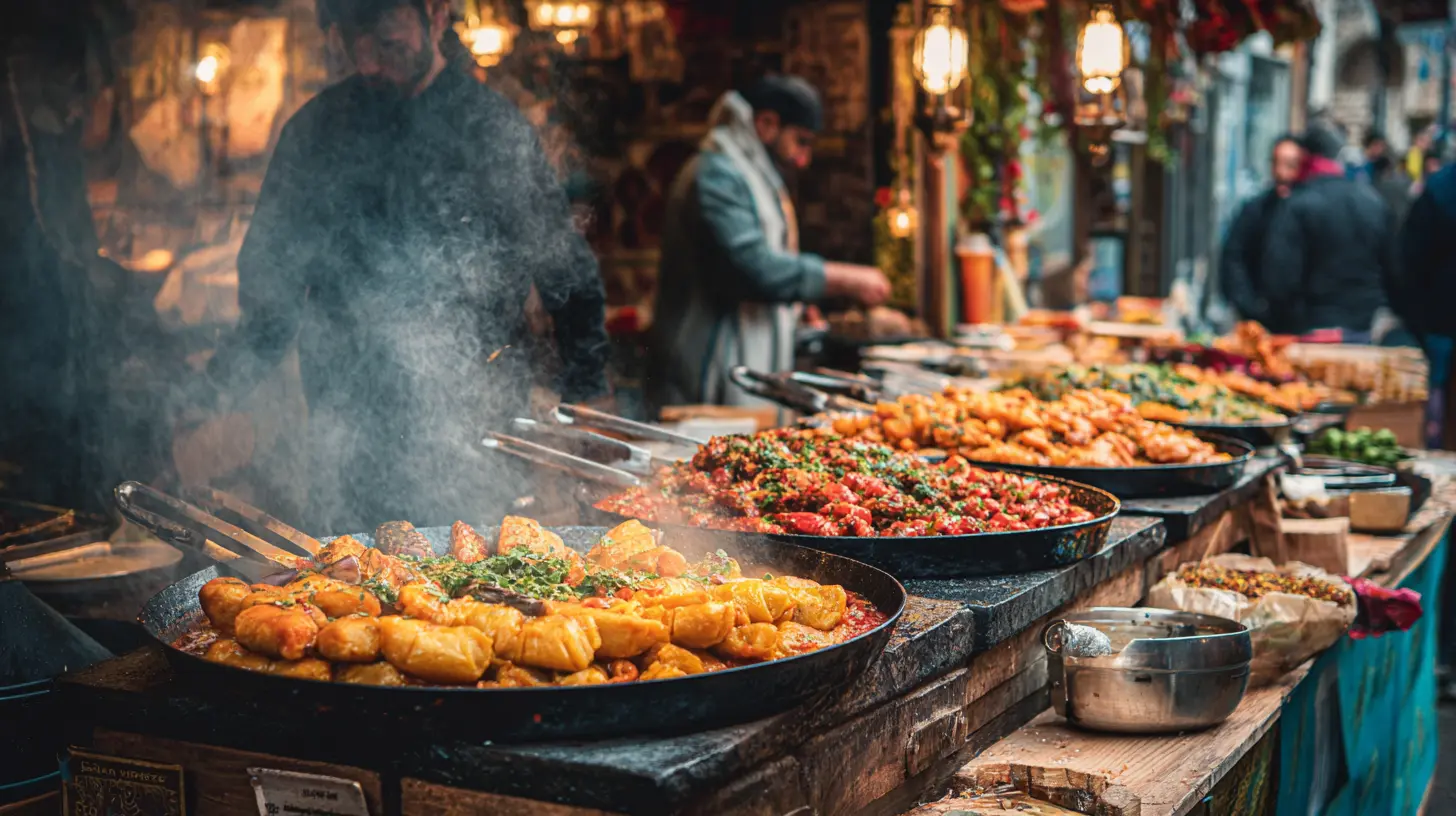
Street food in 2027 will become the ultimate antidote to the fake. When you watch a vendor slice a fresh mango, pound a chili paste in a stone mortar, or flip a roti on a hot griddle with their bare hands, you are witnessing truth. There is no brand manager hiding behind that cart. There is no marketing spin. There is just a person and a recipe that has been passed down like a secret.
This is why street food will win. In a world where trust is the most valuable currency, the street vendor is the most trustworthy person in the city. They have nothing to hide. Their reputation is built on every single plate they serve. One bad meal, and they lose their spot on the corner.
Compare that to a restaurant with a PR team and a hundred five-star reviews that were bought. The street vendor wins every time.
The Rise of the "Flavor Tourist"
We already have "foodies." But by 2027, we will have "flavor tourists." These are people who plan their entire trip around a single dish. They will fly to Bangkok not for the temples, but for the boat noodles in a specific alley. They will go to Mexico City not for the museums, but for the tlacoyo stand that only opens at midnight.This is a shift from seeing food as an activity to seeing food as the destination.
And this is great news for street food. Because the best street food is hyper-local. You cannot find it anywhere else. It doesn't franchise. It doesn't scale. It exists in one place, made by one person, at one time of day.
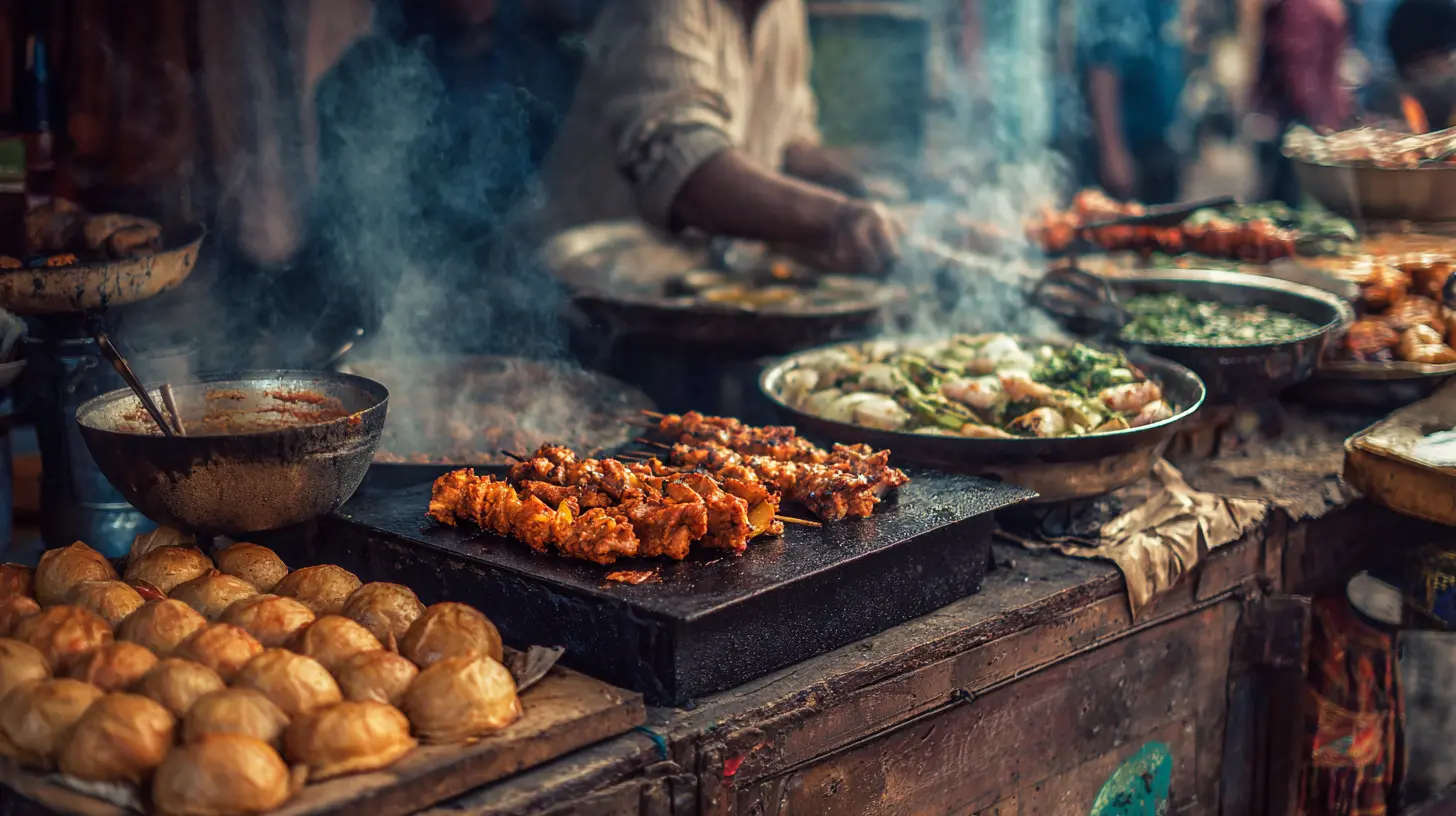
This scarcity makes it incredibly valuable. The flavor tourist does not want a menu. They want a legend. They want the story of the old man who has been grilling the same skewers for fifty years. They want to know that the sauce recipe was almost lost in a war. They want to eat a piece of history.
Street food delivers this better than any Michelin-starred restaurant ever could. A fancy restaurant can give you a perfect plate. But only a street stall can give you a perfect memory.
The Economics of the Alley
Let's talk money. Travel is getting expensive. Flights cost more. Hotels cost more. Everything feels like a luxury. But street food remains the last great democratic dining experience.In 2027, the traveler will be smarter with their budget. They will save on meals so they can spend on experiences. And street food offers the best value on earth. You are not paying for the rent, the decor, the waitstaff, or the marketing. You are paying for the ingredients and the skill.
But it is not just about being cheap. It is about the distribution of wealth.
When you eat at a street stall, your money goes directly into the pocket of a local family. It does not get filtered through a corporation. It does not get sent to a headquarters in another country. It stays in the neighborhood. It buys the vendor's children school supplies. It pays for their mother's medicine.
This direct economic impact will become more important to travelers in 2027. People are tired of feeling like their money is feeding a machine. They want to feed a person. Street food allows you to do that with every single bite.
The Sensory Overload We Crave
We are a generation that is numbed by screens. We spend our days looking at rectangles of light. We have forgotten what it feels like to be fully alive in a moment.Street food is the cure.
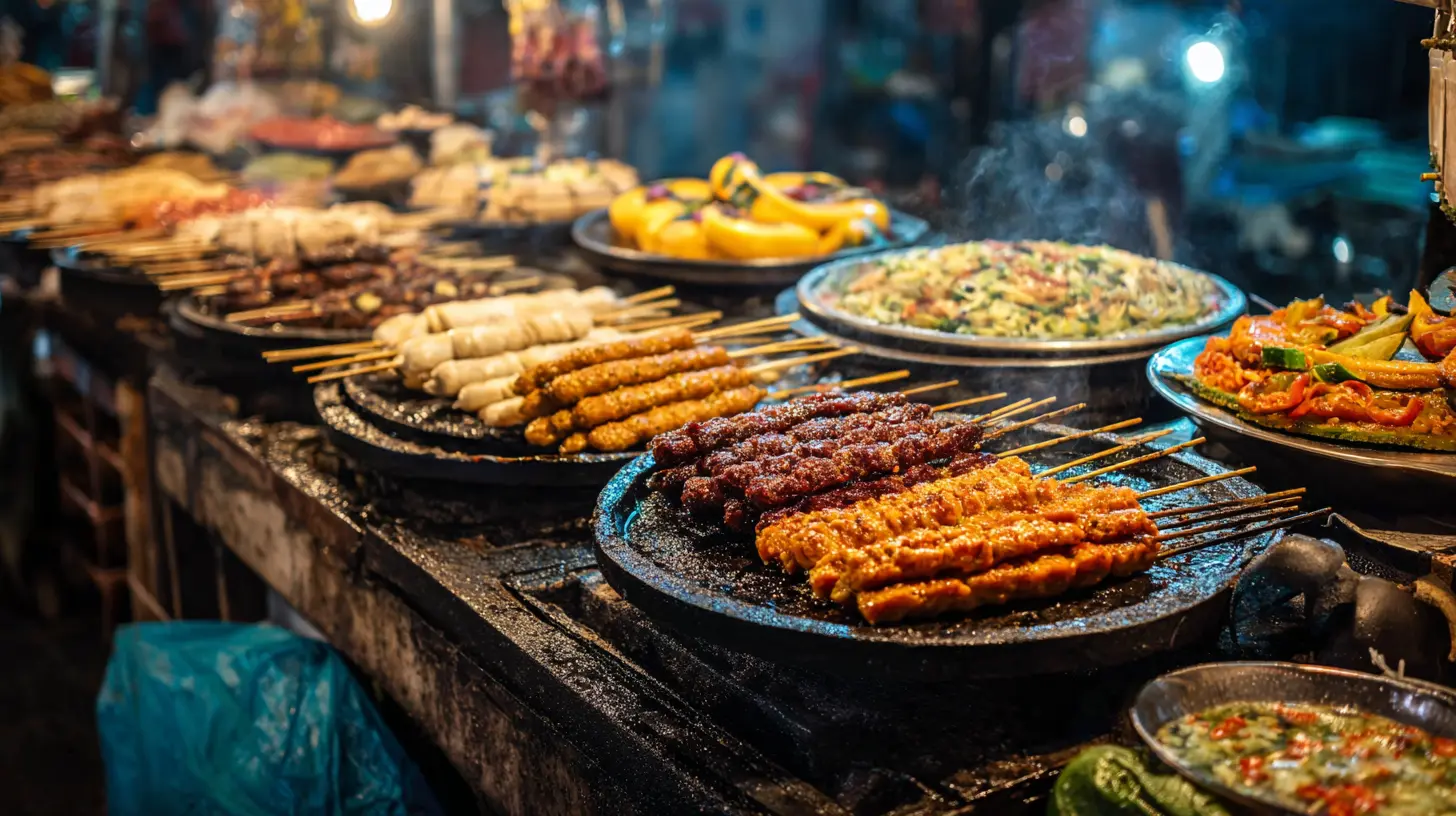
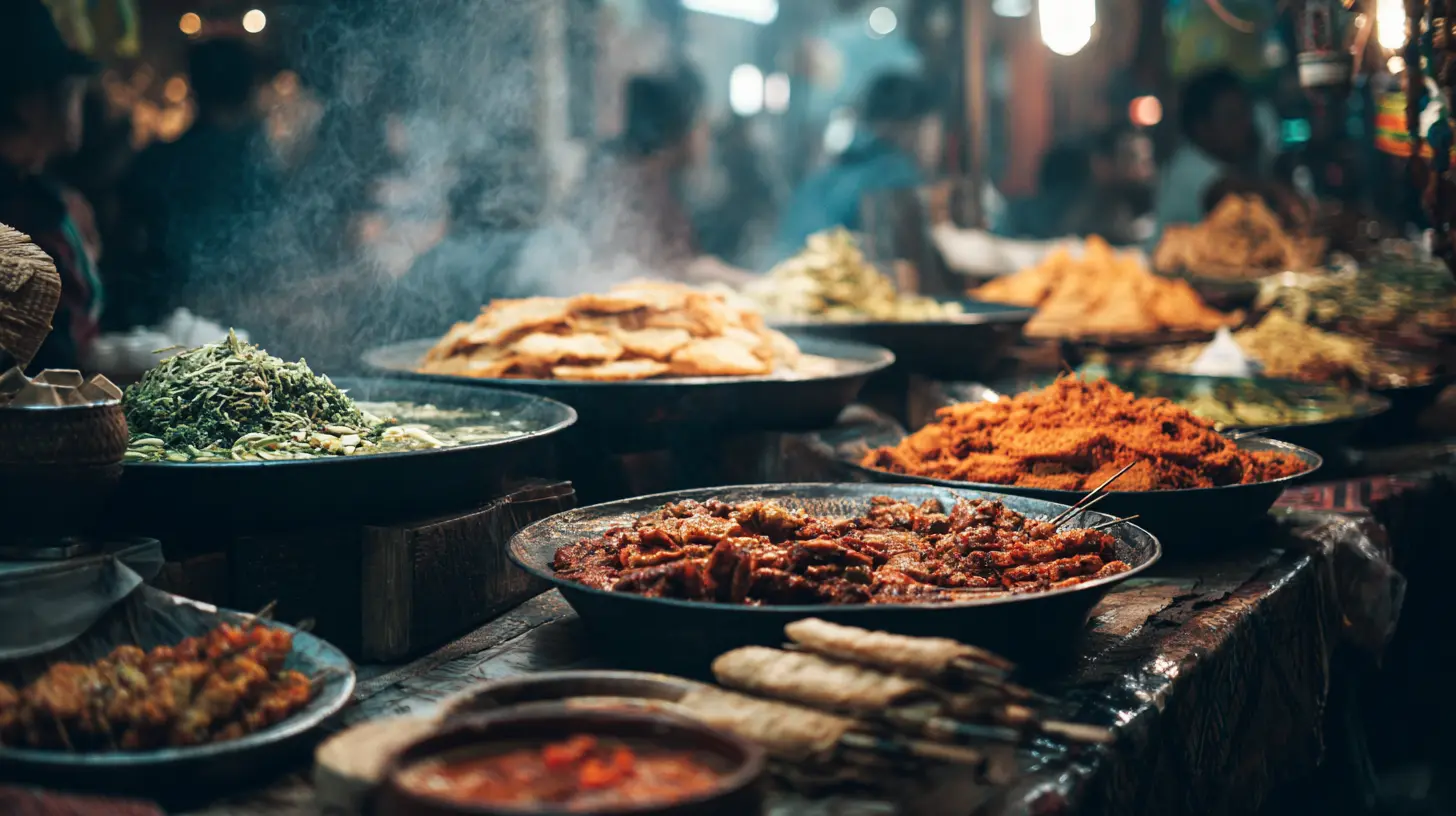
Picture it. The heat of the grill hitting your face. The sound of oil crackling. The smell of garlic, fish sauce, and charred meat mixing with the exhaust of a tuk-tuk. The vendor shouting out orders in a rhythm that sounds like a song. The chaos of people bumping into you. The sticky table. The plastic stool that is slightly too small for you.
It is messy. It is loud. It is overwhelming.
And it is absolutely beautiful.
By 2027, people will be seeking this kind of sensory overload. We will be desperate for experiences that engage every part of us, not just our eyes. Street food does not let you be passive. It forces you to be present. You cannot scroll through your phone while eating a soup that is burning your fingertips. You have to be in the moment. And that is a gift.
The Health Paradox
There is a common belief that street food is dirty or unhealthy. And sure, if you eat fried dough every day, you will have problems. But the best street food is actually some of the healthiest food you can eat.Think about it. Street food is cooked in front of you. You see exactly what goes into it. There is no hidden sugar. No preservatives. No secret chemicals to extend shelf life. It is fresh, seasonal, and often plant-based.
In 2027, the health-conscious traveler will realize this. They will understand that a bowl of Vietnamese pho, made with bone broth and fresh herbs, is far better for them than a sad salad from a hotel buffet. They will see that a Greek souvlaki, wrapped in warm pita with tomatoes and tzatziki, is a balanced meal.
The health paradox is that the most "dangerous" looking food is often the most wholesome. The vendor who has been doing this for decades does not need a nutrition label. Their reputation is their nutrition label.
The Social Glue
Travel can be lonely. Even when you are with friends, there is something isolating about being a stranger in a strange land. Street food fixes that.There is a reason why food markets are the social hubs of every city. They are where people gather. They are where conversations start. You can stand next to a stranger, point at what they are eating, and say, "What is that?" In a few minutes, you are sharing a table and a story.
In 2027, as remote work becomes even more common and people spend more time alone in front of computers, this kind of spontaneous social connection will be priceless. Street food is the social glue that binds a city together. It breaks down barriers. It makes the foreign feel familiar.
You do not need to speak the language to share a meal. You just need to be hungry and open.
The Future is a Cart on a Corner
I am not saying that fancy restaurants will disappear. They will not. There will always be a place for white tablecloths and tasting menus. But the heart of travel will not be there.The heart of travel will be on a plastic stool at a wobbly table. It will be in the steam rising from a pot of curry. It will be in the greasy fingers and the happy silence of two people eating something incredible.
By 2027, we will have realized that the best way to know a place is not through its monuments or its museums. It is through its streets. And the best thing on those streets is the food.
So start practicing now. Start getting comfortable with the chaos. Start learning to point at what you want and smile. Because in a few years, the street will be the only place you want to be.
And honestly? It already is.
all images in this post were generated using AI tools
Category:
Street Food ExperiencesAuthor:

Pierre McKinney
Discussion
rate this article
1 comments
Enid Fisher
Street food truly connects cultures in every bite.
June 7, 2026 at 2:24 PM
Pierre McKinney
Absolutely! Street food is a delicious bridge that shares stories and flavors from around the world.