Adventure Awaits: A Guide to Desert Hiking
30 March 2026
If you’ve ever dreamed of hiking through a vast, sun-drenched landscape, surrounded by towering sand dunes, rugged canyons, or surreal rock formations, then desert hiking might be calling your name. Sure, it can be hot, dry, and unforgiving, but with the right preparation, desert hikes can be some of the most breathtaking and rewarding outdoor experiences.
In this guide, we’ll walk you through everything you need to know—from essential gear and safety tips to choosing the best trails—for an epic desert adventure. 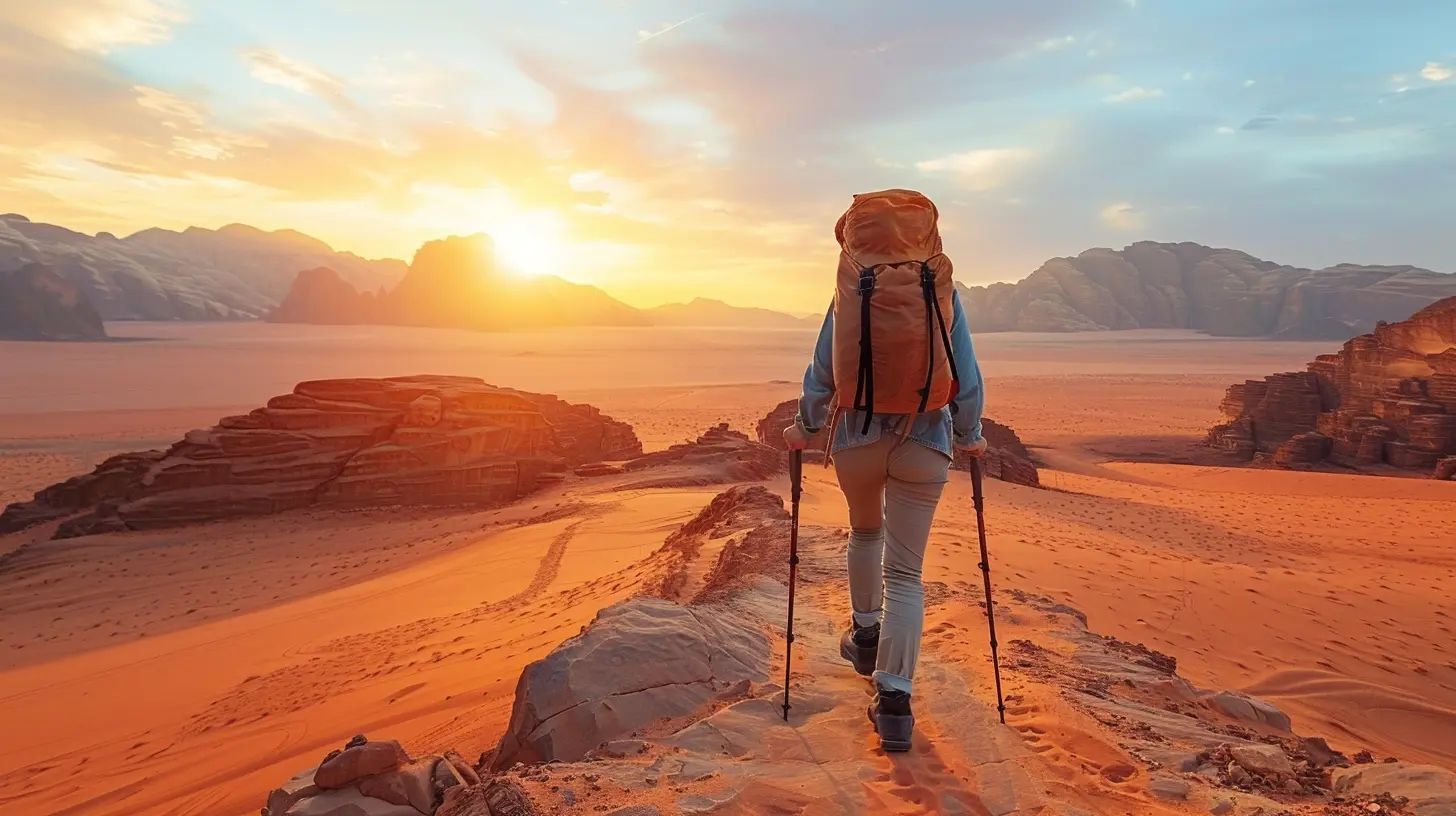
Why Hike in the Desert?
Deserts might seem like barren wastelands at first glance, but if you take a closer look, you’ll find they are full of life, history, and mind-blowing scenery. The stillness and solitude of the desert create a unique kind of peace that’s hard to find elsewhere.Unmatched Scenery
From the towering red rock arches of Utah to the rolling dunes of Death Valley, the variety of landscapes in the desert is astounding. Sunrises and sunsets paint the sky in shades of pink, orange, and purple, creating an otherworldly atmosphere.Adventure & Challenge
Unlike hiking in forests or mountains, desert hiking requires a little more planning and endurance. The intense weather conditions and tricky terrain make for a rewarding challenge.Unique Wildlife & Plants
Despite the harsh conditions, deserts are teeming with fascinating wildlife. You might spot lizards darting across the sand, jackrabbits taking cover in the shade, or even a majestic bighorn sheep. Then there are the plants—cactus blooms, ancient Joshua trees, and sagebrush add a surprising splash of color.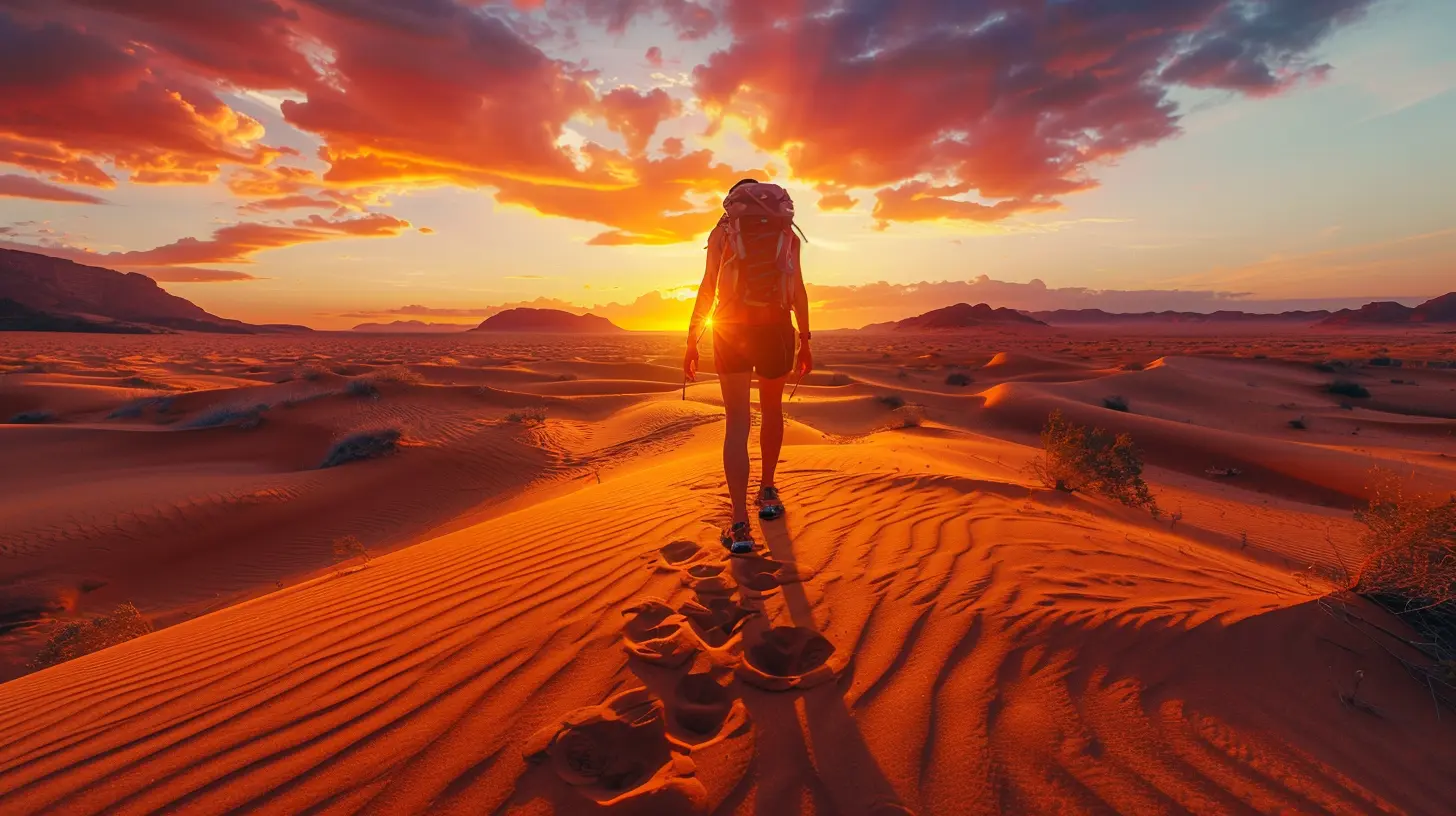
Essential Gear for Desert Hiking
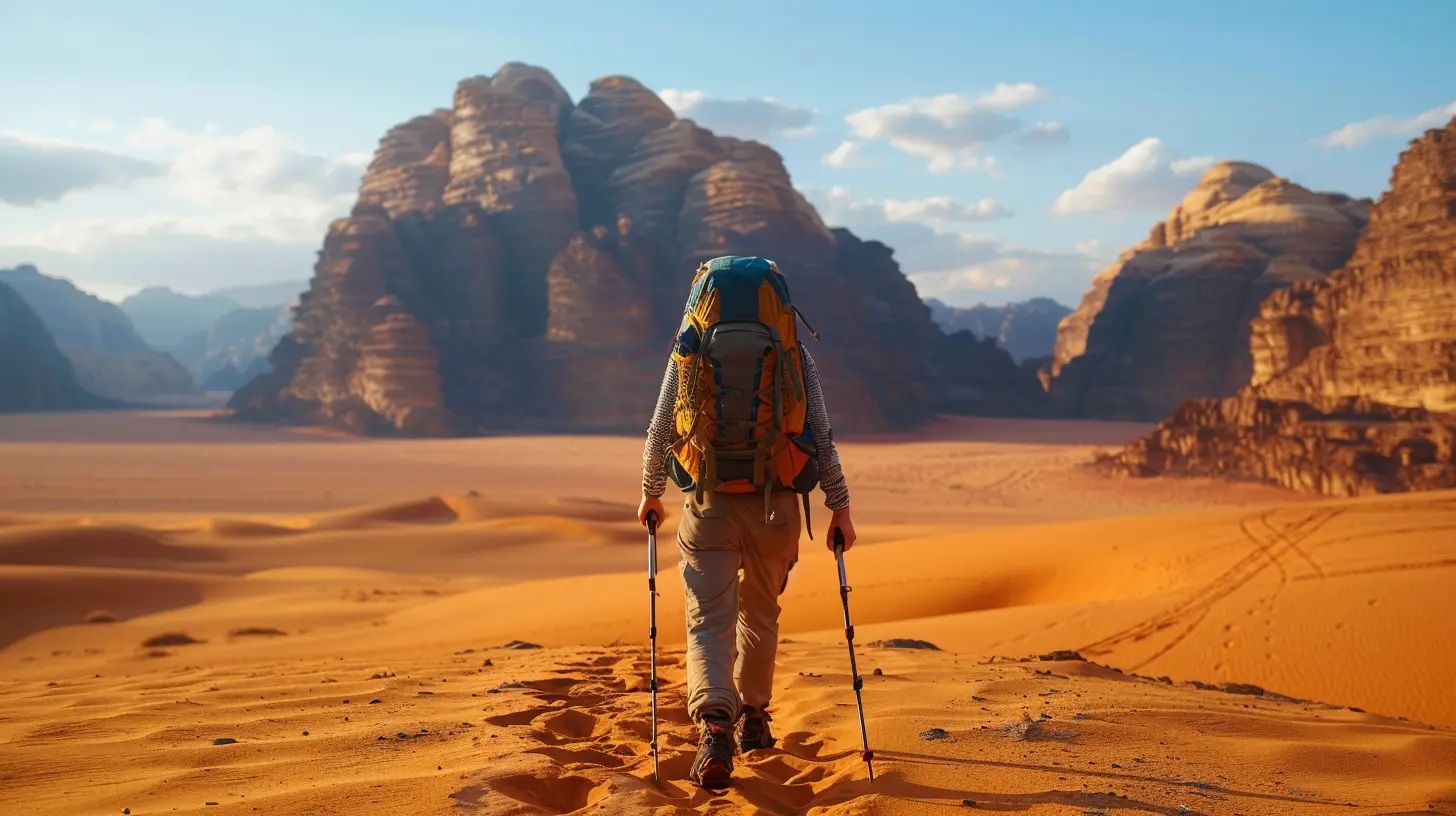
When it comes to desert hiking, having the right gear is non-negotiable. You won’t be able to rely on shade or abundant water sources, so carrying the right supplies is critical.1. Plenty of Water
If you think you have enough water, bring more. A good rule of thumb is at least one gallon per person, per day. Dehydration can sneak up quickly, and in the desert, you can’t just rely on streams or springs.2. Sun Protection
The desert sun is relentless. Without proper protection, you’ll fry like an egg on a hot skillet. Essentials include:- A wide-brimmed hat
- Sunglasses with UV protection
- Sunscreen (SPF 30 or higher)
- Lightweight, long-sleeved clothing to cover your skin
3. Proper Footwear
Forget flip-flops or regular sneakers. Hiking boots or trail runners with good grip and ankle support will save you from blisters and twisted ankles.4. Navigation Tools
Phone GPS apps are great, but they’re not always reliable in remote desert areas. Keep a physical map and compass handy, just in case.5. Emergency Supplies
Always pack a few survival essentials, including:- A first-aid kit
- A whistle (for signaling in emergencies)
- A multi-tool or knife
- A lightweight emergency shelter (like a space blanket)
Preparing for a Desert Hike
Timing is Everything
The desert can be brutally hot during midday, so the best time for hiking is early morning or late afternoon. In some cases, a moonlit night hike can also be magical—just make sure you have a good headlamp!Check the Weather
Desert weather can be unpredictable. Flash floods, high winds, and extreme heat can turn a fun hike into a dangerous situation. Always check forecasts before heading out.Know Your Route
Some desert trails are not well-marked, and getting lost is easier than you might think. Study maps ahead of time, and let someone know your itinerary before you go.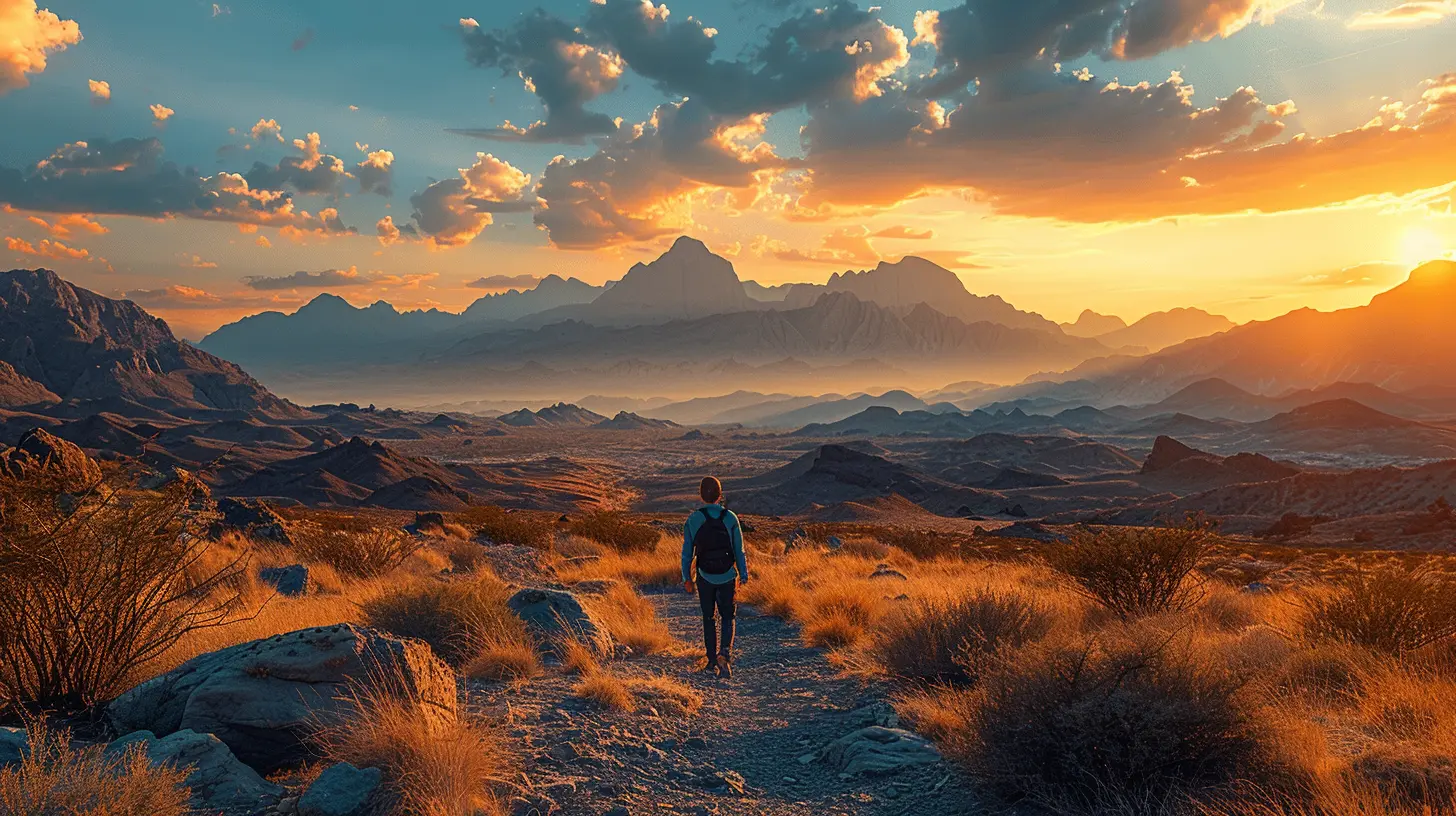
Safety Tips for Desert Hiking
Hiking in the desert can be thrilling, but it’s also dangerous if you’re not careful. Here’s how to stay safe:1. Watch for Dehydration & Heat Stroke
Signs of dehydration include dizziness, dry mouth, and nausea. If you start feeling any of these, find shade, sip water, and rest immediately. If symptoms progress to confusion or severe weakness, it’s time to seek help.2. Avoid Flash Floods
It might sound crazy, but flash floods are a real threat—even in a place that rarely sees rain. If there’s a chance of rain, avoid hiking in narrow canyons or washes where water can rise suddenly.3. Be Aware of Wildlife
Most desert creatures won’t bother you if you leave them alone, but it’s always good to be cautious. Snakes, scorpions, and spiders tend to hide under rocks or in crevices—so always watch where you step or place your hands.4. Follow the "Leave No Trace" Principles
Deserts are fragile ecosystems. Stick to established trails, pack out all trash, and avoid disturbing plants or wildlife.Best Desert Hiking Destinations
Now that you’re prepped and ready to go, where should you head? Here are some of the most jaw-dropping desert hiking destinations:1. The Wave, Arizona
This surreal sandstone formation in the Paria Canyon-Vermilion Cliffs Wilderness looks like something from a sci-fi movie. But getting there requires a difficult, permit-only hike, so plan ahead!2. Death Valley National Park, California
Famous for being one of the hottest places on Earth, Death Valley is home to unique spots like Zabriskie Point, Mesquite Flat Sand Dunes, and Badwater Basin—the lowest point in North America.3. Arches National Park, Utah
With over 2,000 natural rock arches, this park offers some of the most scenic desert hikes. The Delicate Arch Trail is a must-do for stunning sunset views.4. White Sands National Park, New Mexico
Ever wanted to walk on what looks like a giant beach in the middle of the desert? The dazzling white gypsum dunes here create an unforgettable hiking experience.5. Big Bend National Park, Texas
This underrated gem features dramatic desert landscapes, the Rio Grande River, and plenty of rugged trails for adventurous hikers.Final Thoughts
Desert hiking isn’t for the faint of heart, but if you’re up for the challenge, it’s one of the most rewarding outdoor adventures you can have. With the right preparation, respect for the environment, and a little common sense, you’ll be able to enjoy the incredible beauty and solitude that desert landscapes offer.So, grab your gear, slather on some sunscreen, and hit the trails—your next adventure is waiting!
all images in this post were generated using AI tools
Category:
Desert AdventuresAuthor:

Pierre McKinney
Discussion
rate this article
2 comments
Tempra Mitchell
Desert hiking sounds fascinating! I love the idea of exploring diverse landscapes and unique wildlife. Can’t wait to read more!
April 22, 2026 at 3:54 AM
Pierre McKinney
I'm glad you're excited! Desert hiking truly offers a one-of-a-kind experience. Stay tuned for more insights!
Brick McInerney
What an exciting read! I'm curious about the best time to hike in the desert and any unique wildlife to look out for. Can’t wait to plan my adventure!
April 1, 2026 at 3:41 PM
Pierre McKinney
Thank you! The best time to hike in the desert is generally in the early spring or fall when temperatures are milder. Keep an eye out for fascinating wildlife like desert tortoises, lizards, and various bird species. Happy planning!