Global Street Food Trends That Will Dominate in 2026
19 May 2026
You know that feeling when you're wandering down a narrow alley in Bangkok, and the smell of sizzling pork skewers hits you from three stalls away? Or when you're in Mexico City, and a vendor hands you a warm taco al pastor with pineapple so juicy it drips down your wrist? That's the magic of street food. It's not just about eating-it's about connecting with a place, its people, and its soul.
But here's the thing: street food never stays the same. It shifts, adapts, and surprises us. By 2026, the global street food scene is going to look a lot different from what we see today. We're talking about a revolution that blends tradition with tech, sustainability with indulgence, and local flavors with global cravings. So grab a napkin, because we're about to dive into the seven global street food trends that will dominate in 2026.
The Rise of Hyper-Local Fusion
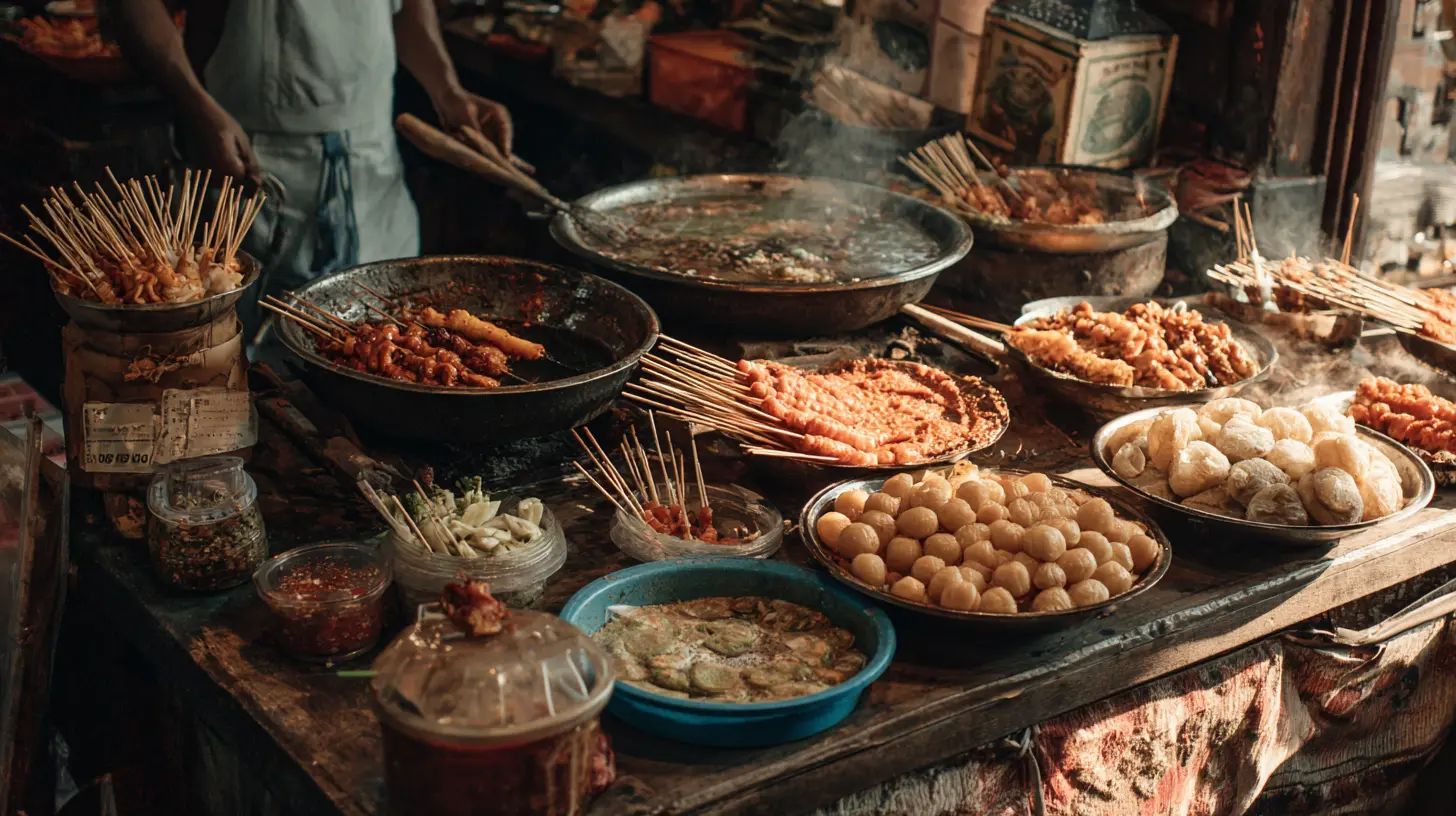
Let me ask you something: have you ever tried a Korean-Mexican taco? If you haven't, you're missing out. Fusion street food has been around for a while, but by 2026, it's going hyper-local. Instead of just mixing cuisines from different continents, vendors will blend ingredients and techniques from neighboring regions or even different neighborhoods.Think about it. In Tokyo, you might find a stall selling okonomiyaki topped with spicy Sichuan peppercorns. In Mumbai, a vendor could serve pav bhaji with a drizzle of Korean gochujang. This isn't about random experimentation-it's about creating something that feels both familiar and fresh. Why? Because travelers are tired of the same old stuff. They want a story on a plate. They want to taste how two cultures collide in a single bite.
This trend is driven by two things: migration and social media. People move, they bring their recipes, and then they adapt them to local ingredients. Instagram and TikTok amplify these creations overnight. By 2026, you won't just eat a fusion dish-you'll know the name of the vendor, the story behind the sauce, and the exact alley where it all started.
Plant-Based Street Food Goes Mainstream (Finally)
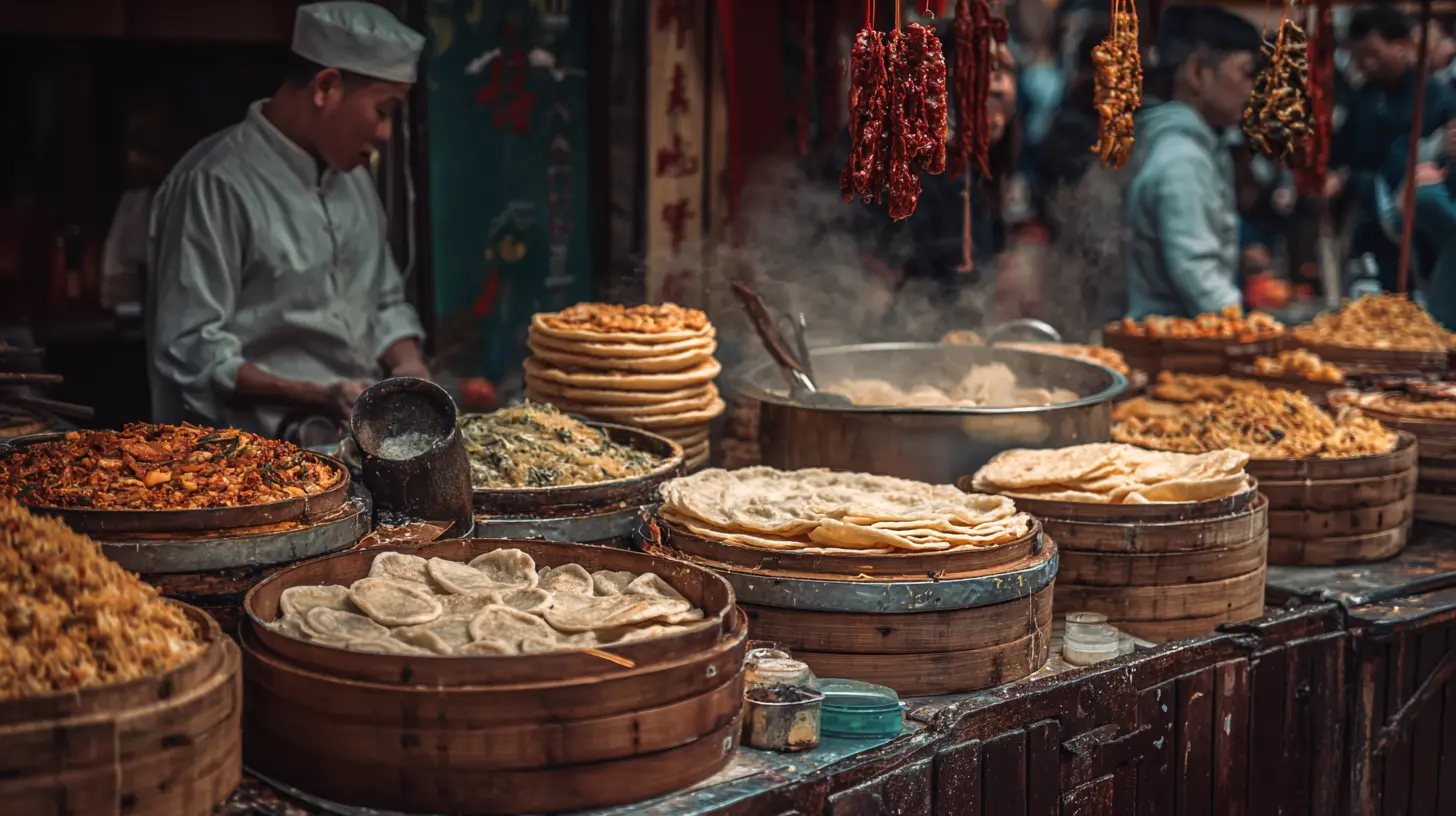
Okay, I know what you're thinking: "Plant-based? That's been a trend for years." True, but hear me out. In 2026, plant-based street food won't be a niche option for vegans. It'll be the default choice for everyone. Why? Because the technology has caught up with the taste.Remember those sad, dry veggie burgers from a decade ago? Yeah, those are gone. By 2026, street vendors will serve jackfruit carnitas that shred like pork, mushroom-based "chicken" skewers that sizzle on the grill, and coconut-based "fish" tacos that taste like they came straight from the coast. The texture, the flavor, the smell-it'll all be there.
But here's the kicker: it won't be labeled as "vegan" or "plant-based." It'll just be "street food." Vendors in places like Mexico City, Bangkok, and Marrakech are already experimenting with local plant proteins like pumpkin seeds, cactus, and fermented soy. By 2026, you'll see stalls dedicated entirely to plant-based versions of regional classics. And the best part? It's cheaper for vendors to source local plants than imported meat. That means lower prices for you and a smaller carbon footprint for the planet.
Tech-Enabled Street Food: QR Codes, Smart Carts, and AI Menus
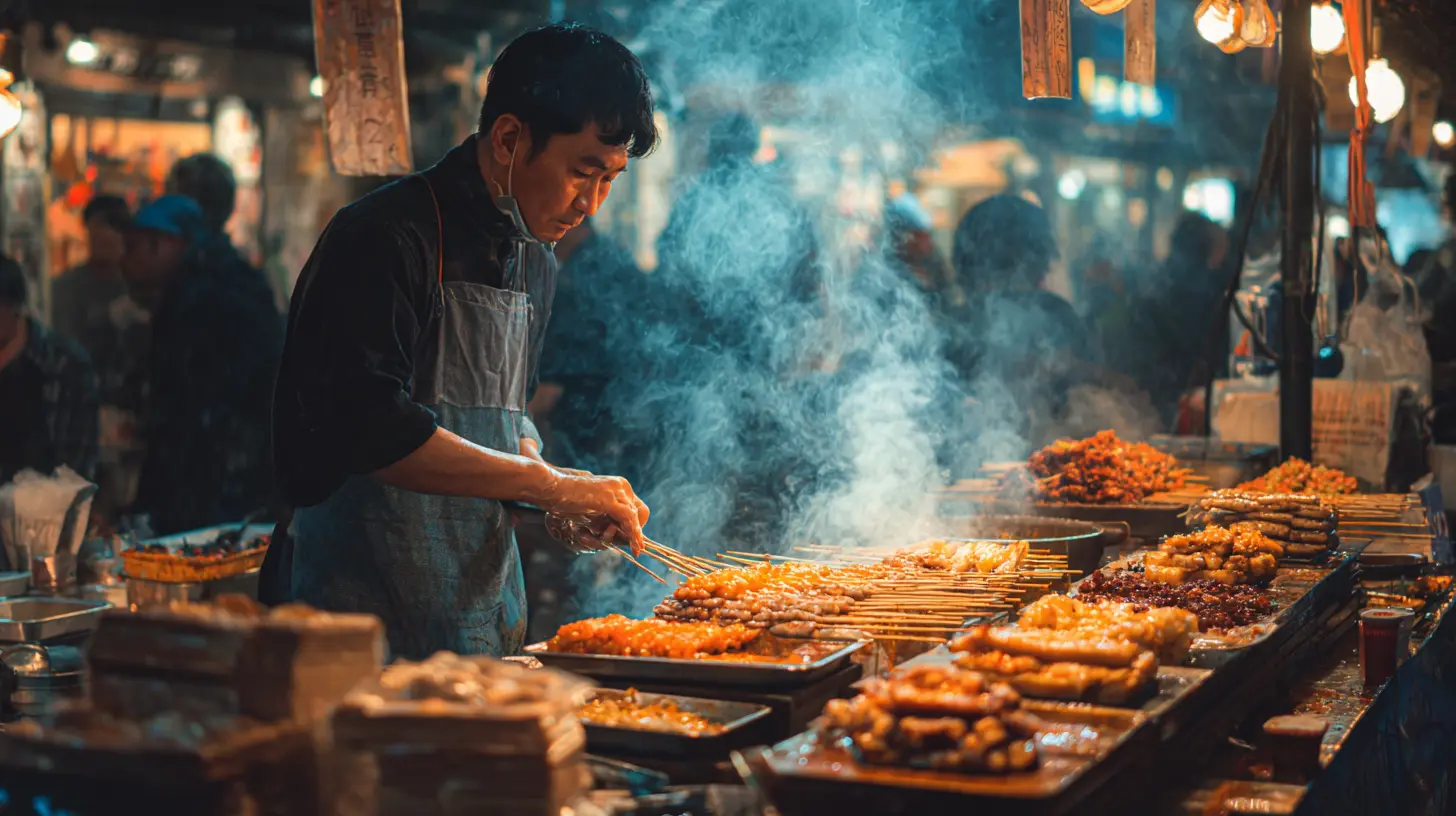
Let's be real: street food has always been a low-tech affair. A cart, a grill, a guy shouting prices. But by 2026, technology will sneak into the scene without ruining its charm. Imagine walking up to a stall in Seoul, scanning a QR code with your phone, and instantly seeing the vendor's entire menu in your language-along with allergen info, calorie counts, and a 30-second video of how the dish is made.That's not science fiction. That's already happening in places like Singapore and London. By 2026, it'll be everywhere. Smart carts will use AI to predict which dishes will sell out based on weather, time of day, and local events. Vendors will accept cryptocurrency and mobile payments without breaking a sweat. And here's the wild part: some stalls will use AI to suggest custom toppings based on your past orders or even your mood.
But don't worry-this isn't about replacing the human touch. It's about making street food more accessible, safer, and faster. You'll still get that smile from the vendor when they hand you your plate. You'll still hear the sizzle and smell the smoke. The tech is just the invisible helper.
The Return of Fermented and Pickled Flavors
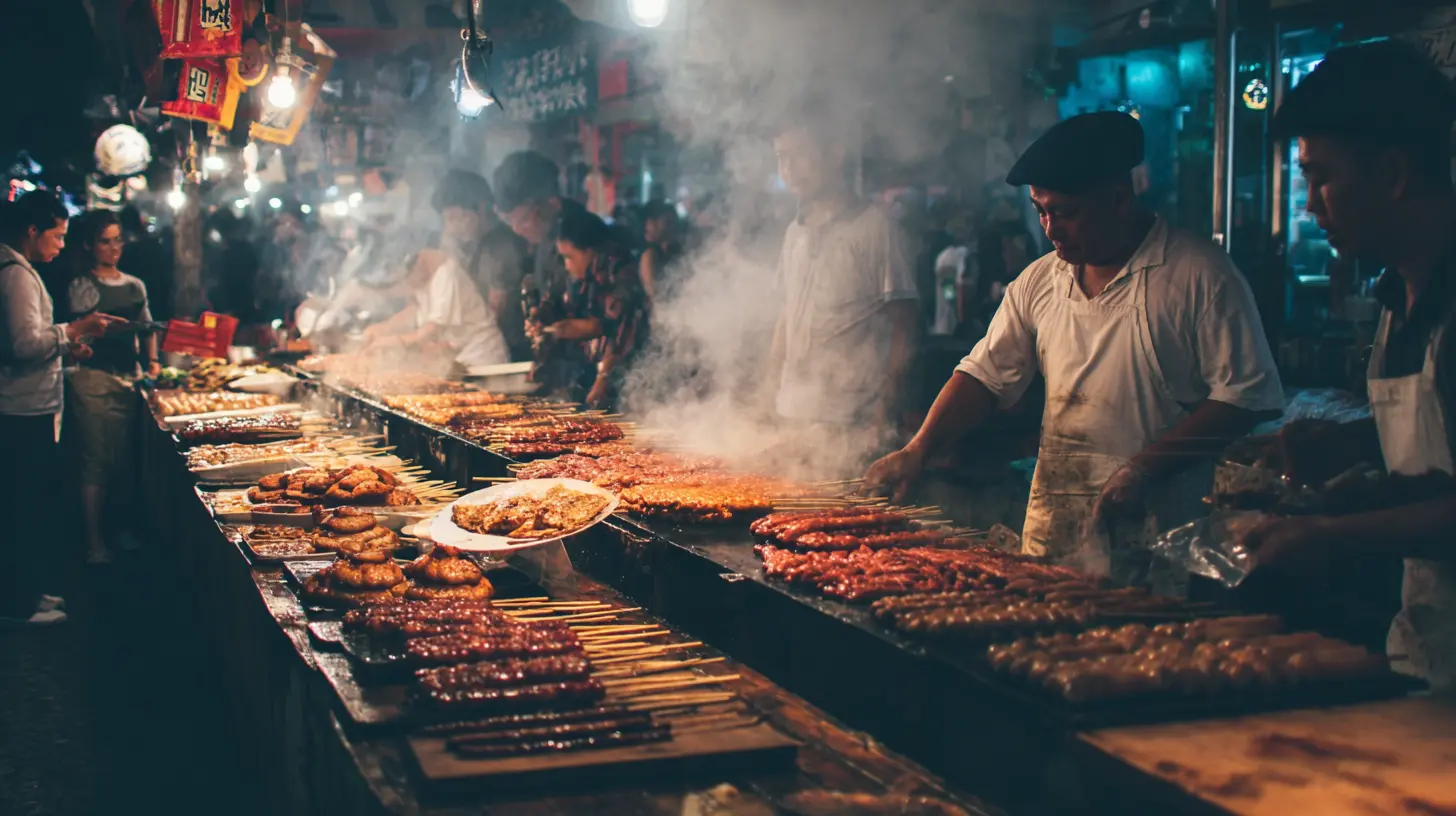
Have you noticed how kimchi, sauerkraut, and pickled vegetables have been showing up on more menus? That's not a coincidence. By 2026, fermented and pickled ingredients will be a cornerstone of street food trends worldwide. Why? Because they're cheap, they last longer, and they pack a punch of umami that makes everything taste better.Think about a hot dog cart in New York City. In 2026, that cart might offer a "kimchi dog" with spicy fermented cabbage and gochujang mayo. Or a stall in Berlin selling currywurst with house-made sauerkraut infused with turmeric and ginger. In India, you'll find pani puri filled with fermented beetroot and tamarind water that's been aged for weeks.
The beauty of fermentation is that it's ancient and new at the same time. It connects us to our ancestors while also satisfying our modern craving for bold, complex flavors. Plus, fermented foods are great for gut health-and let's be honest, after a week of eating street food, your gut could use some help.
Street Food as an Experience, Not Just a Meal
Here's a thought: when you buy street food in 2026, you're not just buying food. You're buying a show. Vendors will transform their carts into mini stages, complete with live cooking demonstrations, storytelling, and even interactive elements.Picture this: you're in Marrakech, and a vendor is making msemen (Moroccan flatbread) right in front of you. They're flipping it in the air, adding honey and butter, and telling you the history of the recipe passed down from their grandmother. Or in Tokyo, a takoyaki chef uses a robot arm to flip the octopus balls while a screen above shows the cooking process in slow motion.
This trend is fueled by our insatiable appetite for content. People want to film their food experiences and share them online. Vendors know this, so they're leaning into it. By 2026, the best street food stalls will be the ones that give you a story, a photo op, and a delicious bite all at once. It's not just about eating-it's about creating a memory that lasts longer than the meal.
Zero-Waste Street Food: From Root to Stem
Sustainability isn't just a buzzword anymore. It's a necessity. By 2026, street food vendors will embrace zero-waste cooking like never before. Why? Because it saves money, attracts eco-conscious customers, and reduces the mountains of trash that plague street food markets.Imagine a stall in Jakarta that uses banana leaves instead of plastic plates. Or a cart in Portland that turns carrot tops into pesto, potato peels into crispy chips, and leftover bones into broth for the next day's soup. In Thailand, you'll see vendors serving mango sticky rice in hollowed-out coconut shells. In Italy, arancini (fried rice balls) will be made from yesterday's risotto, stuffed with leftover ragu.
This isn't about sacrificing flavor for ethics. It's about creativity. Zero-waste street food forces vendors to think outside the box, and the results are often more interesting than the original dishes. Plus, customers love the story behind a dish that uses every part of the ingredient. It's a win-win.
The Globalization of Regional Specialties
Remember when "street food" meant hot dogs, pizza slices, and pad thai? Those days are over. By 2026, the most exciting street food will come from regions you've never heard of. We're talking about dishes like:- Pao de queijo from Brazil (cheesy bread balls that are gluten-free and addictive)
- Bunny chow from South Africa (a hollowed-out loaf of bread filled with curry)
- Khao jee from Laos (sticky rice grilled on a stick, often with egg and scallions)
- Börek from Turkey (flaky pastry filled with cheese, spinach, or minced meat)
Why are these regional specialties going global? Because travelers are bored with the usual suspects. They've had pad thai a hundred times. They want something new, something that feels authentic and undiscovered. Social media plays a huge role here-a single TikTok video of a vendor making börek in Istanbul can send tourists flocking to that stall within weeks.
By 2026, you'll find these regional gems in food markets from London to Los Angeles. And the best part? They'll be made by people who grew up eating them, using techniques passed down through generations. That's the kind of authenticity you can't fake.
The Role of Street Food in Post-Pandemic Travel
Let's not forget the elephant in the room: the pandemic changed everything. For a while, street food was seen as risky. But by 2026, it'll be seen as the safest and most exciting way to eat while traveling. Why? Because outdoor dining, contactless payments, and individual portions are built into the street food model.Vendors have adapted. They use gloves, masks, and sanitizer stations. They package food in ways that minimize contact. And customers have realized that eating outside, in the open air, with a disposable plate, is actually safer than sitting in a crowded restaurant.
This shift has made street food more popular than ever. It's not just a cheap alternative-it's a deliberate choice. By 2026, you'll see more tourists skipping fancy restaurants and heading straight for the night markets. Because let's face it: nothing beats the thrill of eating something delicious while standing on a crowded street, surrounded by strangers who are all sharing the same moment.
How to Spot the Next Big Street Food Trend
So how do you know which trends will actually stick? Here's a simple rule: look for dishes that are portable, affordable, and visually striking. If a dish can be eaten with one hand, costs under $5, and looks amazing on camera, it has a good chance of going viral.Also, pay attention to what's happening in cities like Bangkok, Mexico City, and Istanbul. These are the global epicenters of street food innovation. What's popular there today will likely be on a menu near you by 2026.
And don't forget to talk to the vendors. They're the real trendsetters. They know what sells, what customers are asking for, and what ingredients are available. If a vendor tells you they're experimenting with a new sauce or a different cooking method, listen. You might be tasting the future.
A Taste of What's Coming
I still remember the first time I tried street food in Vietnam. It was a bowl of pho from a tiny stall in Hanoi, served on a plastic stool by a woman who barely spoke English. The broth had been simmering for 12 hours. The noodles were hand-cut. The herbs were picked that morning. That bowl of soup changed how I thought about food.By 2026, that same magic will be available everywhere-but with a twist. You'll have more choices, more stories, and more ways to connect with the people behind the food. The trends I've outlined here aren't just predictions; they're already taking shape. All you have to do is follow your nose, trust your instincts, and keep an open mind.
So the next time you're traveling, skip the tourist traps. Find the alley with the longest line. Order something you can't pronounce. And remember: the best street food trends aren't about what's popular-they're about what's real.
all images in this post were generated using AI tools
Category:
Street Food ExperiencesAuthor:

Pierre McKinney
Discussion
rate this article
1 comments
Sasha Jones
Ah yes, because nothing screams culinary adventure quite like the thought of trendy street food in 2026. Can't wait to see how many ways they can fry a taco... again.
June 6, 2026 at 2:50 AM
Pierre McKinney
I get your point! It's always fun to see how creativity brings new twists to classic favorites. Who knows what 2026 will bring?