The Art of Storytelling Through Travel Photography
25 December 2025
Ever look at a photograph and feel like you're right there, breathing in the culture, smelling the street food, or standing beneath a canopy of rainforest leaves? That’s the magic of storytelling through travel photography.
Travel photography isn't just about snapping "been there" pictures—it's about capturing emotions, cultures, landscapes, and those fleeting, raw moments that words sometimes fail to describe. It's about telling stories without writing a single sentence. Whether you're a backpacker with a smartphone or a DSLR-wielding globetrotter, this guide is going to dive into how you can master the art of storytelling through your travel lenses.
Why Stories Matter in Travel Photography
Let’s be honest—if you're only taking photos for likes and follows, you’re missing the bigger picture (pun totally intended).Humans are wired for stories. Since the days we sat around fire pits painting on cave walls, we've used stories to make sense of the world. Travel photography taps into that primal love for narrative. It lets us share the feeling of standing atop a windswept mountain in Patagonia or watching monks chant at sunrise in Luang Prabang.
But here's the twist—stories in photos don’t just happen. You have to find them, feel them, and frame them. It’s about intention.
The Key Ingredients of a Photo Story
Every good photo story consists of a few essential elements. Think of them as ingredients in a recipe. Miss one, and the flavor just won’t be the same.1. Emotion: The Heart of the Story
Look at any powerful travel photo, and you’ll usually see more than just scenery. You’ll feel something—joy, curiosity, loneliness, awe.Emotion invites your audience in. It’s what makes someone spend more than a split second on your photo. To capture emotion:
- Focus on people: Faces are emotional landscapes.
- Catch candid moments: Posed photos rarely hold raw emotion.
- Shoot in context: Show the surroundings that contribute to the mood.
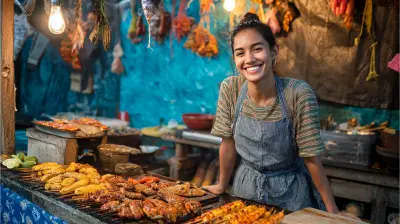
Ever seen a photo of a market vendor laughing while weighing spices? It's not just about the vendor. It's the moment, the story, the culture—right there in a chuckle.
2. Setting: The Stage for Your Tale
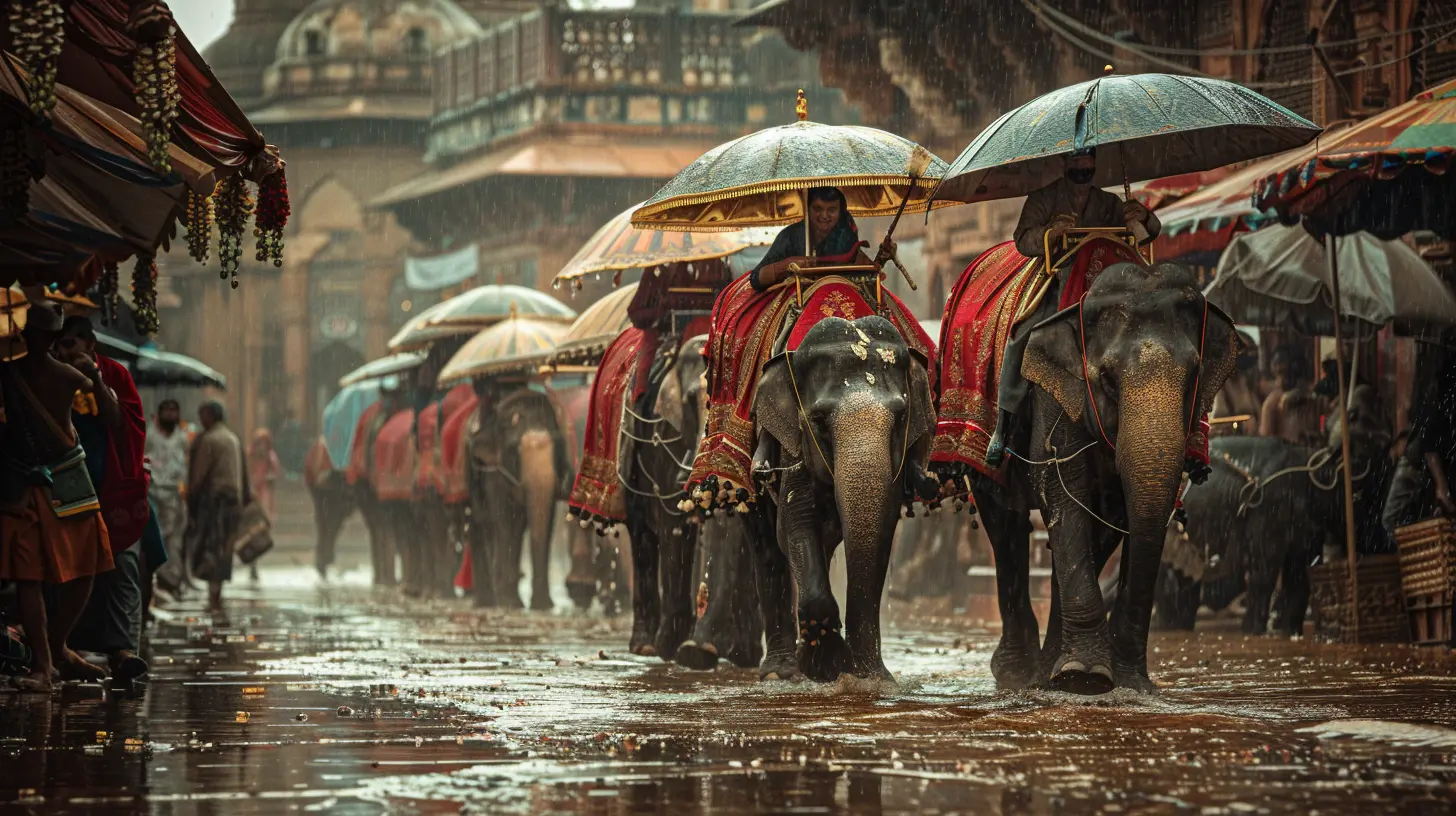
The “where” is as important as the “who” and “what.” The backdrop shapes the narrative. Is it a bustling souk in Marrakech or a misty morning in the Scottish Highlands?Tips to highlight setting:
- Include environmental details: signs, architecture, textures.
- Use wide-angle shots to establish the scene.
- Think layers: foreground, middle, background.
3. Characters: People Bring Photos to Life
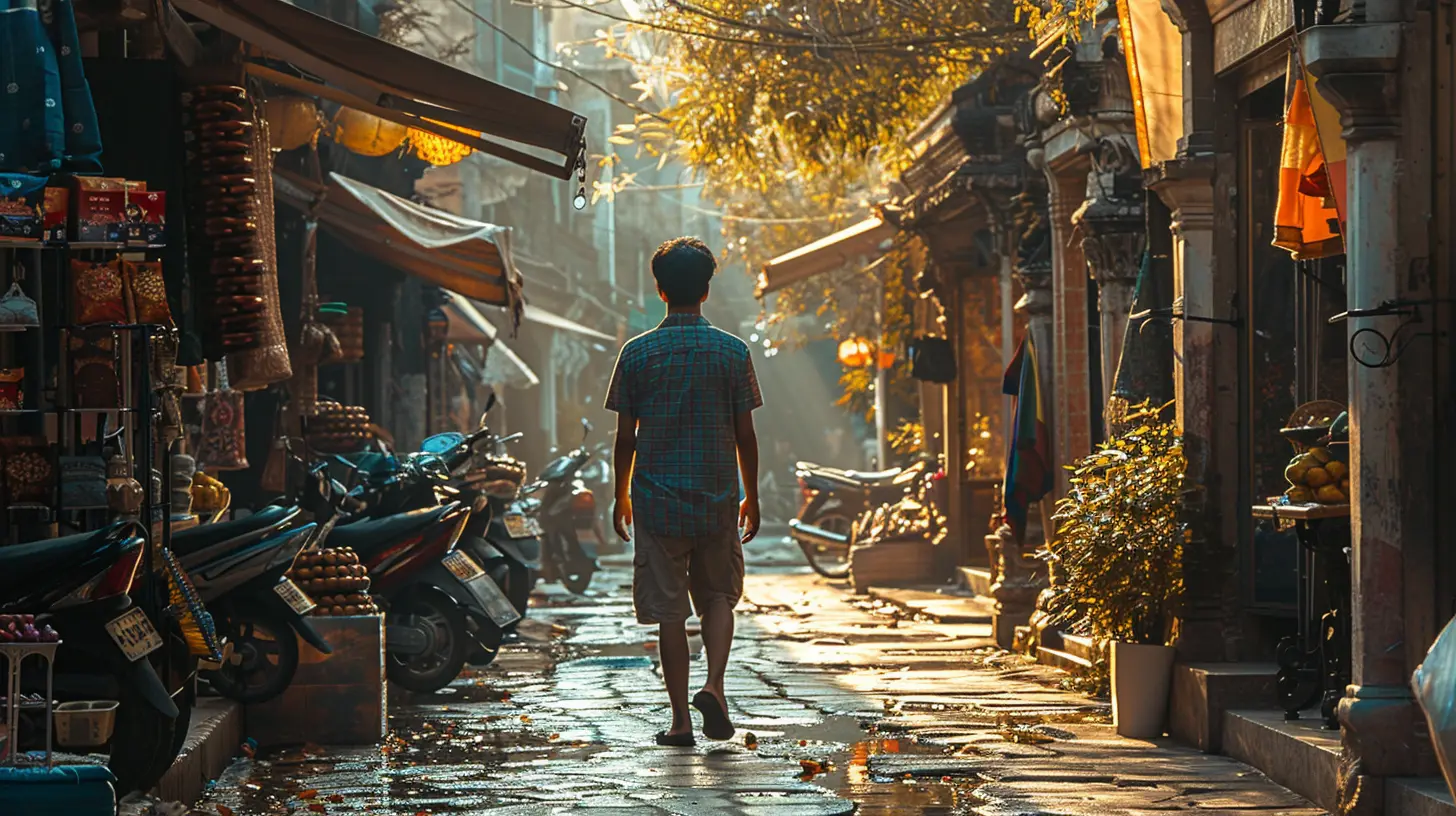
Characters give your photo story a soul. You don’t always need faces—silhouettes, hands, or even a lone figure walking away can speak volumes.When photographing people:
- Always ask for permission if you’re going in close.
- Try to connect first—smile, chat, share a moment.
- Capture them in their element to keep it authentic.
4. Context: The Hidden Thread
Context gives depth. It answers the silent "why" behind the image.Is the elderly fisherman repairing his net because his village still depends on traditional methods? Is a child selling trinkets because tourism fuels the local economy?
A caption can help, but sometimes a well-composed photo says it all.

Techniques to Tell Better Photo Stories
So, how do you actually do it? Let’s break it down with some super practical tips you can use, starting today.1. Shoot with a Theme or Narrative in Mind
Before you even pick up your camera, think about the story you want to tell. Are you documenting a cultural celebration? Capturing the contrast between old and new in Tokyo?Having a theme keeps your shots focused and cohesive.
2. Use the Rule of Thirds (Then Break It)
Yeah, it's old-school—but it works. The rule of thirds helps balance your shots and draw attention to key elements. But don’t be afraid to break the rules for the sake of drama or mood.3. Light is Your Storyteller's Pen
Natural lighting can completely shift the emotion of an image. Golden hour gives warmth and romance. Overcast skies add drama. Harsh midday light? It’s tricky, but sometimes gives you those gritty, real-world vibes.Play with backlighting, silhouettes, and shadows. Light doesn't just brighten—it narrates.
4. Details Make the Difference
Sometimes, the story is in the small stuff—a coffee cup with lipstick stains on a Parisian cafe table, sandy toes after a beach trek, a faded prayer flag fluttering in the Himalayas.Zoom in. Get close. Let the little things speak.
5. Shoot Series, Not Just Singles
Think of your shots like a storyboard. One epic image is great, but a sequence builds a richer story:- Establishing shot: Set the scene.
- Detail shot: Zoom in on textures or objects.
- Action shot: Capture movement or interaction.
- Portrait: Bring in your character.
Slide decks, carousels, or galleries are perfect for sharing visual stories that unfold with each image.

Crafting Stories in Post-Processing
Editing isn’t cheating—it’s sculpting. You're shaping the raw material.- Stick with a consistent style or preset per series.
- Don’t overdo it—too much saturation or HDR can kill authenticity.
- Crop to improve composition or remove distractions.
Remember: less is more. The goal is to enhance the story, not overpower it.
Ethical Storytelling in Photography
So, you’re in a remote village and spot a stunning photo op. But should you take it?Here’s the thing—travel photography carries a responsibility. These aren’t just exotic props in your travel journey—they’re real people, living real lives.
- Ask permission, especially in sensitive or sacred areas.
- Respect cultural boundaries—do your homework.
- Share profits or give prints when possible.
Your camera captures stories, but it shouldn’t exploit them. Be a respectful storyteller, not a cultural paparazzo.
How to Practice and Improve Your Travel Photography Storytelling
Practice makes powerful photos. Here’s how to level up:1. Start Local
You don’t need to fly across the world. Your hometown or city is packed with stories waiting to be told. Try a local market, festival, or even daily commuters.2. Make a Photo Journal
Treat it like a visual diary. Snap something that stood out, then write a few lines—what made you take it? How did it feel?This helps train your eye and your instincts.
3. Get Feedback
Post your stories on social media, in photo forums, or blogs. But ask for constructive feedback, not just praise.You’ll be surprised how different people interpret your photos. That’s part of the beauty.
Famous Travel Photographers Who Nail Storytelling
If you need inspiration, check out these masters of the lens:- Steve McCurry – His portrait of the Afghan Girl is basically the Mona Lisa of photojournalism.
- Jimmy Nelson – Known for capturing disappearing indigenous cultures.
- Annie Leibovitz – Though not strictly a travel photographer, her storytelling style is iconic.
Study their work. See how every image has layers, emotion, and depth.
Final Thoughts: Your Turn to Tell the Story
Travel photography isn’t about having the “best” camera, exotic locations, or perfect lighting. It’s about seeing the world with curious eyes and sharing that perspective through thoughtful composition, honest emotion, and a dash of creative flair.You’re not just documenting trips—you’re capturing human moments, stories of culture, and slices of life that others might never get to see.
So next time you’re out with your camera (or even your phone), ask yourself: What’s the story here? Then, press that shutter with purpose.
Happy shooting—and even happier storytelling.
all images in this post were generated using AI tools
Category:
Travel PhotographyAuthor:

Pierre McKinney
Discussion
rate this article
2 comments
Hope Collins
Travel photography isn’t just about capturing moments; it’s about weaving narratives that resonate. Let your lens tell unforgettable stories!
February 1, 2026 at 5:42 PM
Pierre McKinney
Absolutely! Travel photography transcends mere images; it’s a powerful medium for storytelling that connects us to cultures and experiences, making each photo a narrative in its own right. Thank you for your insight!
Thalyn Kearns
This article beautifully highlights how travel photography can capture stories, evoking emotions and inspiring wanderlust in viewers.
December 30, 2025 at 5:22 AM
Pierre McKinney
Thank you! I'm glad you enjoyed the article and resonated with the power of travel photography to tell stories and evoke emotions.